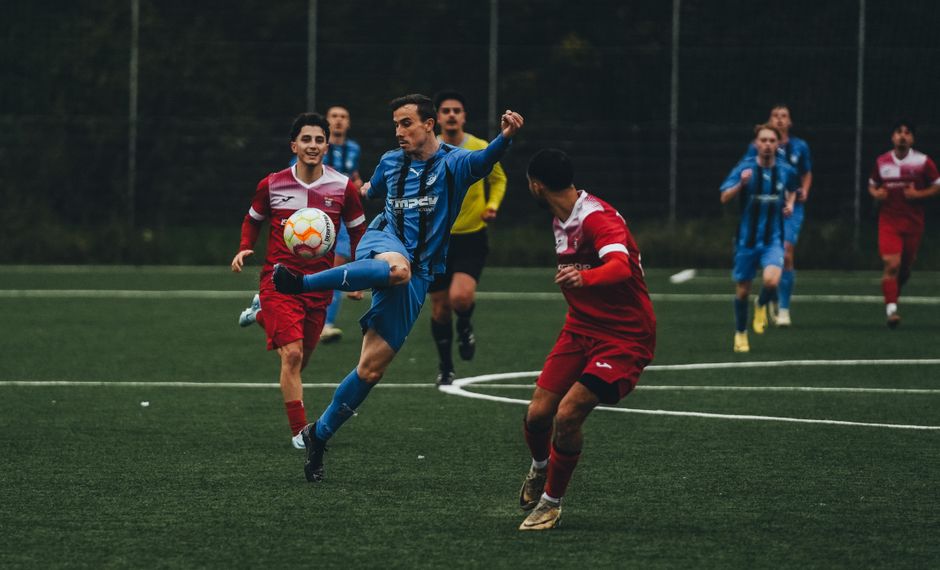
The A-League Men's finals race is tightening, and Melbourne's two heavyweight clubs are running out of games to make their case. Melbourne City, playing out of AAMI Park on Olympic Boulevard, sit inside the top six but hold a goal difference that makes every match from here a genuine six-pointer. Melbourne Victory, meanwhile, are scrapping to arrest a mid-season form slump that has left their Docklands faithful restless at Marvel Stadium.
The timing of this domestic pressure could not be sharper. Australian football supporters spent the early hours of Saturday morning watching the Socceroos exit the FIFA World Cup 2026 on penalties against Egypt in the last 32 — a gut-punch result that has reignited a familiar national debate about player development pathways, the health of the A-League, and whether the domestic competition is genuinely producing tournament-ready talent. That conversation lands squarely at the feet of clubs like City and Victory, who are expected to be the incubators of the next generation.
The Local Stakes Have Never Been Higher
Football Federation Victoria recorded more than 280,000 registered players across the state in 2025, making it one of the largest participation sports in Victoria. The pressure to convert that grassroots depth into elite performance is a constant drumbeat at the Football Victoria offices on Jolimont Road, East Melbourne. The national team's World Cup disappointment gives that pressure fresh urgency.
Melbourne City's academy pipeline, based at their City Football Academy training complex in Bundoora, has been the subject of considerable scrutiny this season. The club has integrated three players aged 20 or under into first-team squads this year — a modest figure by the standards of City Football Group's global network — but coaching staff have pointed to the compressed A-League schedule as a limiting factor in giving youth consistent minutes. The regular season runs until late March 2027, with finals beginning in April.
Victory's situation is more immediately pressing on the points table. The club has won just two of their last seven matches, a run that has seen head coach Patrick Kisnorbo — who guided City to a championship in 2021 — face questions about his system's effectiveness against high-pressing opponents. A home fixture at Marvel Stadium against Wellington Phoenix on July 19 looks like a must-win on paper, though football has a habit of ignoring paper.
What Fans Should Watch in the Coming Weeks
The fixture list gives both Melbourne clubs a compressed block of games before the mid-season break in August. City face a road trip to Perth Rectangular Stadium on July 12, a venue where they have won once in their last five visits. Victory host two of their next three matches at Marvel Stadium, where average attendances this season have hovered around 18,500 — down roughly eight percent on the 2024-25 campaign but still the strongest figures in the competition.
For supporters wanting to track the race in real time, Football Australia's official app updates the ladder standings within minutes of full-time. Memberships for both clubs remain available through their respective websites, with Melbourne Victory's general admission match-day tickets priced from $28 for adults and $15 for children as of this week. Both clubs have fan zones operating from two hours before kick-off — Victory's at the Bourke Street end of the Marvel Stadium precinct, City's at the northern gate on Olympic Boulevard.
The Socceroos' World Cup exit stings, but the practical response to that hurt gets played out over the next nine months in the A-League. The clubs that develop talent, win games, and put supporters in seats through a Melbourne winter will do more for the long-term health of Australian football than any single tournament result. The race starts now.