Melbourne Invests $2.1 Billion to Upgrade Aging Sports Infrastructure
From the Docklands to the Tan Track, the city's venues and facilities are under more pressure — and more scrutiny — than ever before.
4 min read
From the Docklands to the Tan Track, the city's venues and facilities are under more pressure — and more scrutiny — than ever before.
4 min read
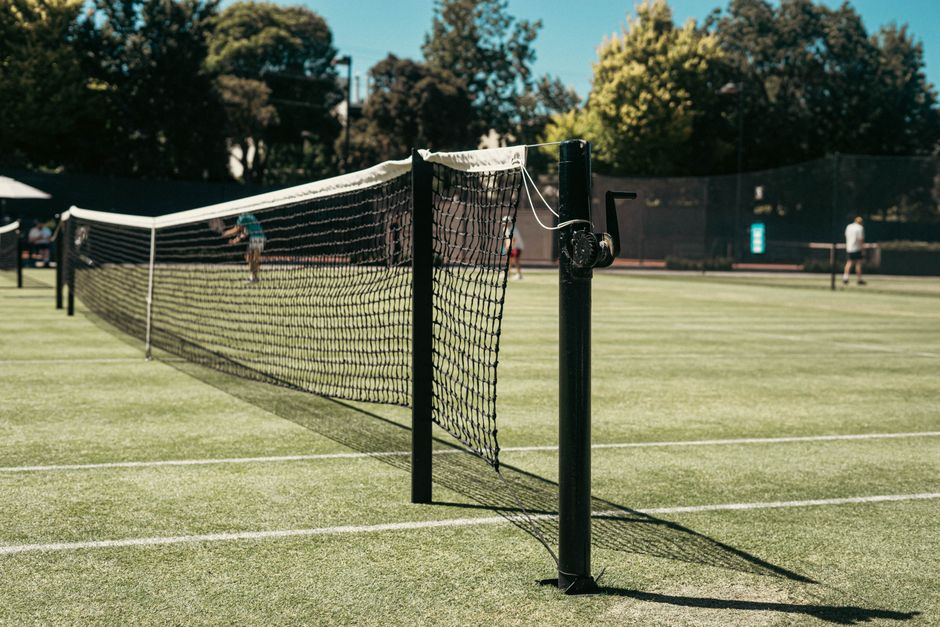
Melbourne's sporting precincts are carrying a heavier load in 2026 than at any point in the city's history. State government figures released last month show the Melbourne and Olympic Parks precinct alone hosted 312 major events in the 2025-26 financial year, up 18 per cent on the previous period, driven by the expanded Nations Championship rugby schedule, the FIFA World Cup qualifying cycle and a packed summer of tennis and basketball. The infrastructure holding all of this together is creaking in places — and the bills are starting to show up.
The timing matters because Melbourne is now competing globally for events on a scale it wasn't six years ago. The city's $2.1 billion commitment to sporting infrastructure upgrades, announced in the 2025 state budget, is meant to lock in that competitiveness through the 2030s, including the 2032 Brisbane Olympics ripple effect that is already reshaping how major event bodies allocate Australian hosting rights. If Melbourne can't demonstrate its venues are world-class, those events move north along the M1.
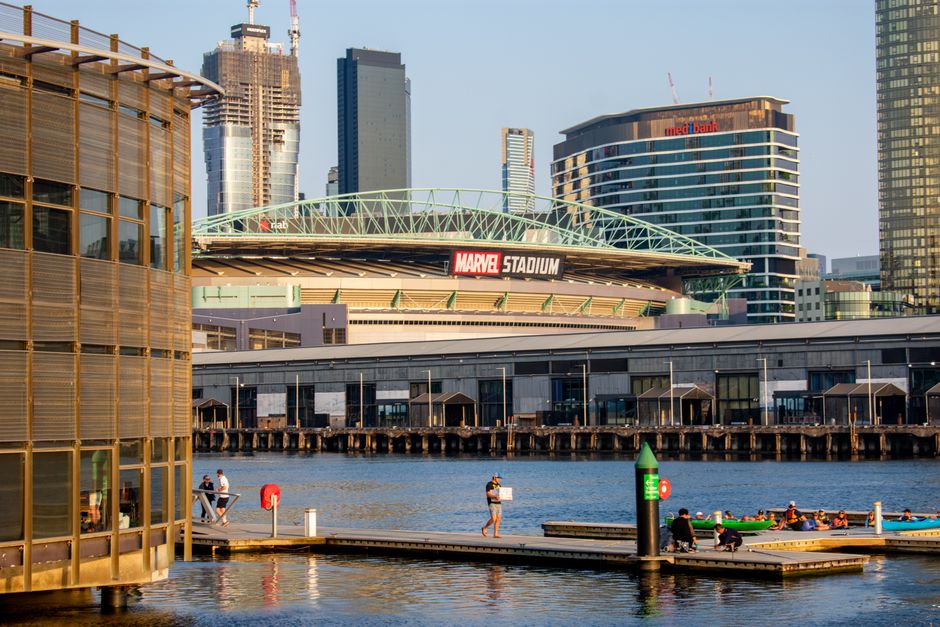
Marvel Stadium on Wurundjeri Way in Docklands is the most discussed project right now. The AFL and the state government finalised a 10-year venue agreement in March worth $225 million, which includes a roof-lighting upgrade, expanded changeroom facilities and a revamped western concourse that has frustrated patrons since the venue opened in 2000. Structural works are scheduled to begin in November 2026, running across two off-seasons to minimise disruption to the AFL fixture.
At Melbourne Park on Batman Avenue, Tennis Australia has already spent $42 million since January on internal fit-outs at Rod Laver Arena, including new broadcast infrastructure and upgraded player lounges intended to future-proof the venue for the Australian Open through 2035. The Margaret Court Arena precinct is getting a separate $17 million accessibility overhaul, with works due for completion by November ahead of the 2027 Open.
AAMI Park in Olympic Boulevard remains the city's tightest capacity constraint. The 30,050-seat rectangular stadium regularly sells out for Melbourne Rebels, Melbourne City and Melbourne Storm fixtures, and there is documented demand — from both the NRL and the new Nations Championship rugby schedule — that the venue simply cannot meet. An independent feasibility study commissioned by Visit Victoria and due to report in September will examine whether the northern end of the ground can be expanded by 6,000 to 8,000 seats without compromising the light-rail corridor on Swan Street.
The community end of the infrastructure ledger is also moving. The City of Melbourne council approved a $4.3 million package in June for upgrades across six local ovals, with Princes Park in Carlton and Sportsground Reserve in Fitzroy North among the first sites to receive new synthetic cricket pitches, LED floodlighting and all-abilities change facilities. Works begin in August and are expected to be completed by April 2027.
The state government's Community Sports Infrastructure Loans Scheme, which offers zero-interest loans up to $500,000 for local clubs and councils, received 214 applications in its most recent funding round — a 31 per cent jump on 2024. Demand is concentrated in Melbourne's inner north and western suburbs, where population growth is outpacing oval and court capacity.
Planners at the Department of Jobs, Skills, Industry and Regions flagged earlier this year that the ratio of public open space designated for organised sport in suburbs such as Footscray and Kensington has actually declined on a per-capita basis since 2018, even as those suburbs added tens of thousands of residents. That figure is now central to the community facilities review being conducted by Infrastructure Victoria, with a final report expected in October.
For Melburnians, the practical upshot over the next six months is straightforward: expect construction disruption around Marvel Stadium from November, improved accessibility at Melbourne Park by late November, and watch the Infrastructure Victoria report in October — it is likely to drive the next round of council and state funding decisions into 2027 and beyond.
Partner Content
SponsoredPartner Content lets Melbourne businesses reach engaged local readers with a clearly labelled, editorial-style feature. Every placement is marked Sponsored, in line with our sponsored content policy.
About this article
Published by The Daily Melbourne
Daily brief
Free, in your inbox before 7am. Weekdays.
You might also like
Sport

Sport
Sport
Sport
Free daily briefing
The Daily Network