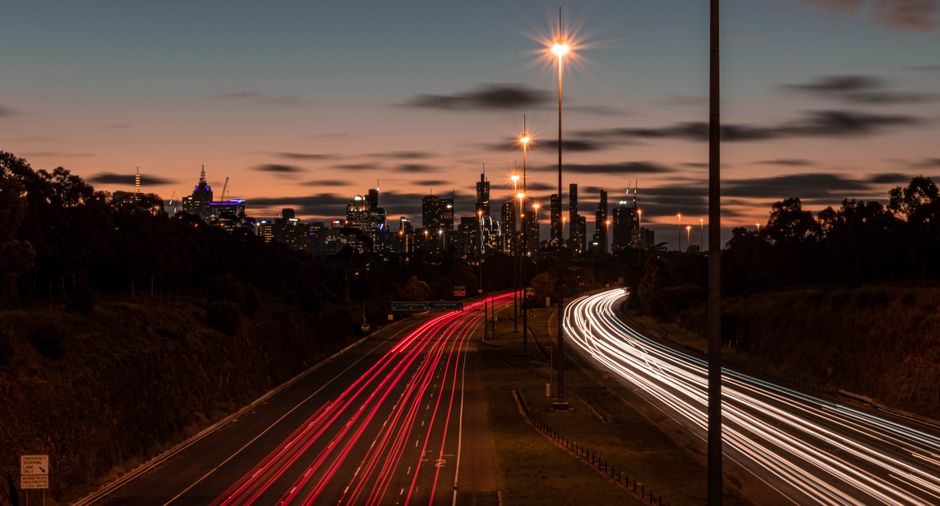
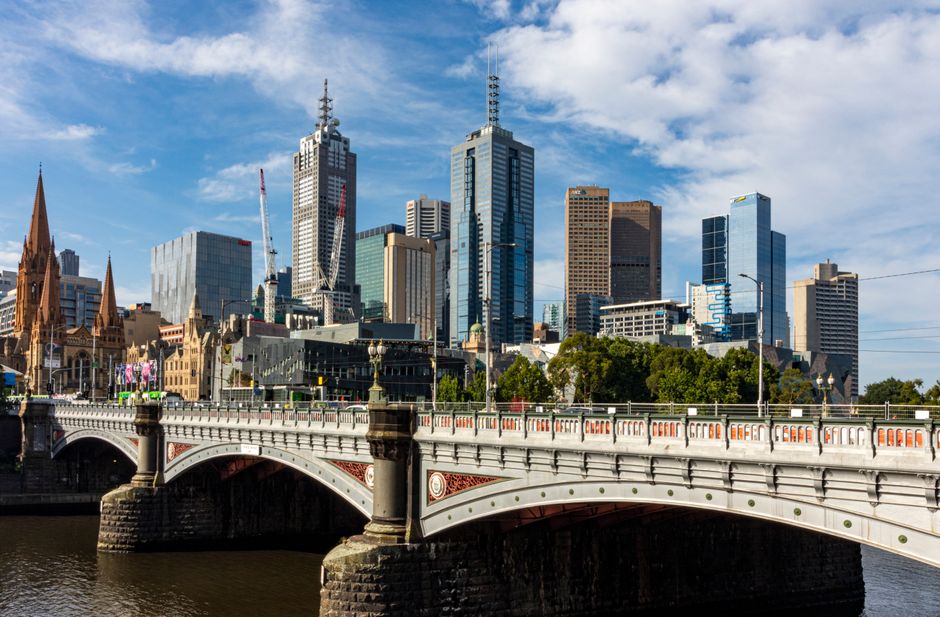
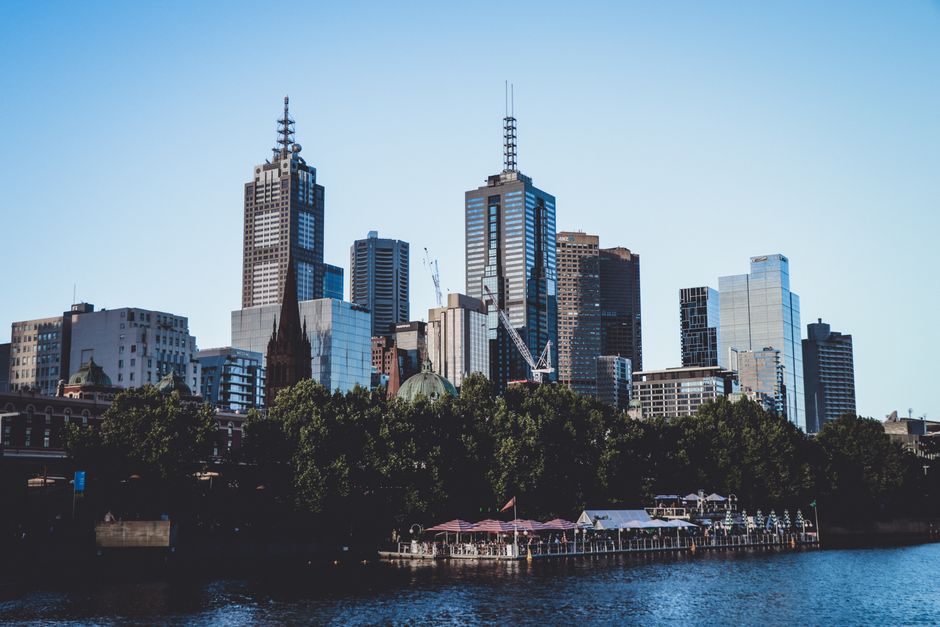
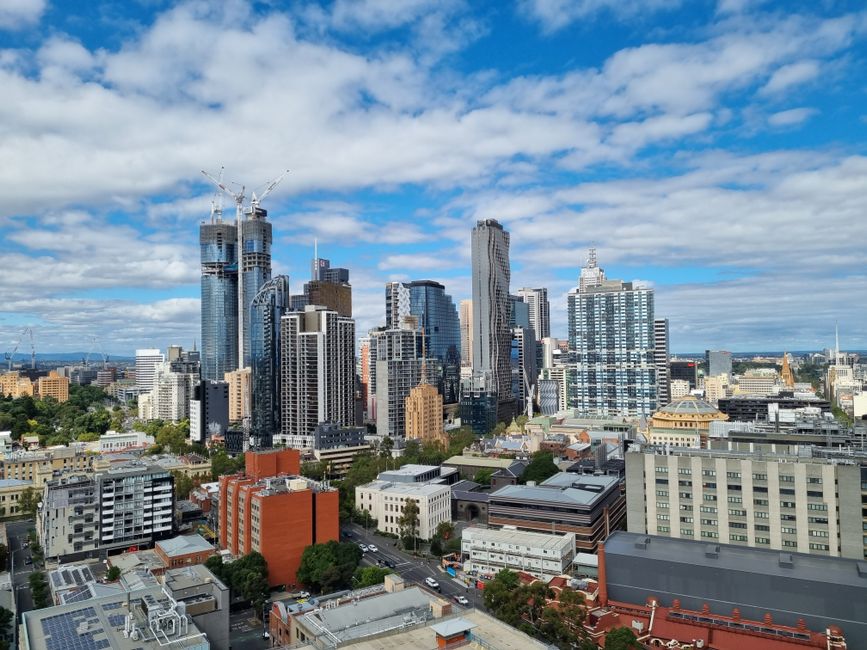
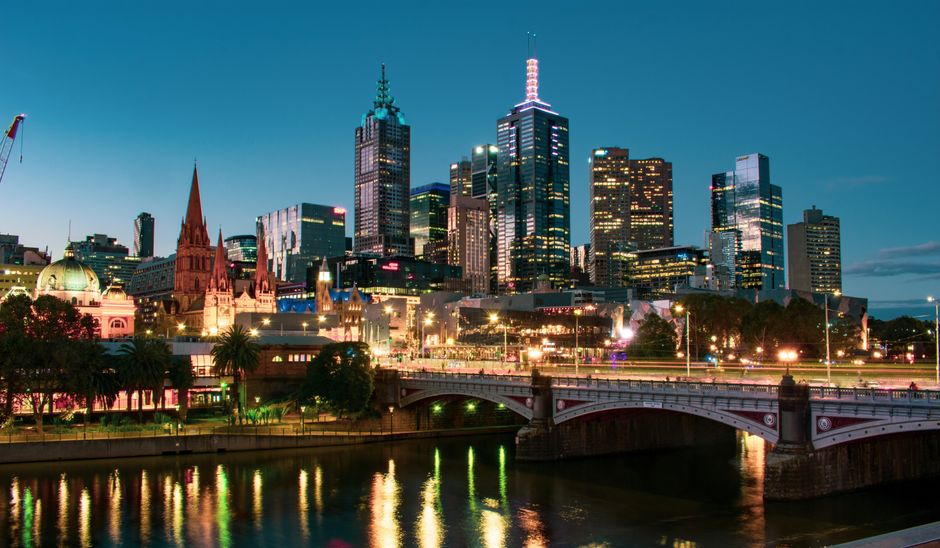
While global headlines fixate on geopolitical tensions and mining deals, a quieter revolution is unfolding in Melbourne's inner-north. UrbanFlow, a three-year-old software company operating from a converted warehouse in Fitzroy, has just signed a $18 million contract with the Victorian Government to deploy its machine-learning platform across metropolitan transport networks.
The innovation, which launches in full this month, integrates real-time data from trams, buses, trains and bike-share systems to predict congestion patterns up to 90 minutes in advance. For commuters navigating the 25-kilometre stretch between Footscray and Box Hill, the system promises to cut average journey times by 12 per cent—equivalent to saving commuters collectively around 4,200 hours daily.
"We're not building another app," says the company's technology roadmap, which emphasises backend infrastructure over consumer-facing gloss. Instead, UrbanFlow feeds anonymised movement data to transport operators and city planners, allowing dynamic rerouting of services and smarter traffic light sequencing across key corridors like Bridge Road, Swan Street and the M1 arterial.
The timing reflects growing pressure on Australian cities to meet federal emissions targets. Melbourne's transport sector currently accounts for 18 per cent of metropolitan greenhouse gas emissions—the second-largest source after stationary energy. By optimising vehicle flow and encouraging mode-shifting toward public transport, UrbanFlow's backers claim the system could reduce transport-related emissions by up to 8 per cent within three years.
What makes UrbanFlow noteworthy isn't novelty—similar systems operate in Copenhagen and Singapore—but localisation. The platform was built specifically for Melbourne's geography: sprawling suburbs, an aging tram network, and weather volatility that disrupts traffic patterns unpredictably. The company's dataset drew from five years of transport authority records, anonymised mobile phone location data, and real-time sensor networks across the CBD and inner suburbs.
Funding has come from a combination of state government backing and venture capital from Australia's growing climate-tech sector. The company now employs 47 people, up from eight in 2024.
For the tech community, UrbanFlow exemplifies a broader shift: away from consumer-focused startups toward infrastructure-grade software solving tangible civic challenges. Other Melbourne-based govtech firms—including data analytics firm DataVic and digital service platform ServiceVic—are following similar trajectories, suggesting the city is carving out a distinctive niche in government technology innovation.
The real test arrives in coming months as the system scales. Success could position Melbourne as a testbed for smart city solutions with genuine export potential across Australia and into Asia-Pacific markets.
This article was compiled by AI from the sources linked above and screened before publishing. See our editorial standards.