Cold water therapy and ice bath benefits explained
From Yarra River plunges to at-home ice baths, here's what the science says about this trending recovery method—and whether it's worth your money.
2 min read
From Yarra River plunges to at-home ice baths, here's what the science says about this trending recovery method—and whether it's worth your money.
2 min read
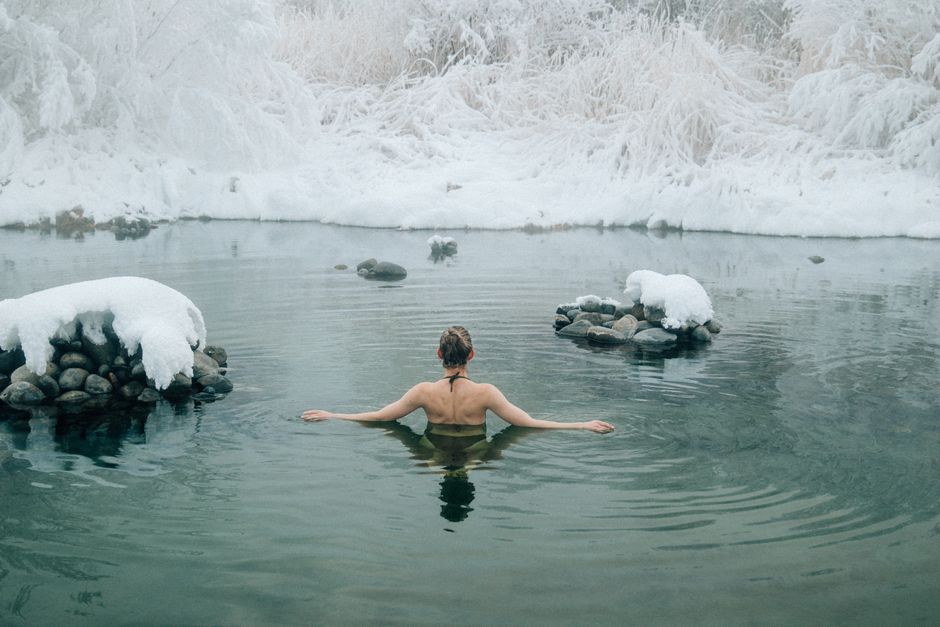
Cold water immersion has exploded across Melbourne's wellness scene. Whether it's dedicated ice bath studios popping up in Fitzroy or fitness enthusiasts diving into the Yarra River near the Tan Track, the practice promises faster muscle recovery, improved mental resilience, and enhanced circulation. But does the science stack up?
The mechanism is straightforward: immersing your body in water below 15°C triggers vasoconstriction, where blood vessels narrow to preserve core temperature. When you exit the cold, blood rushes back to muscles and organs in a process called vasodilation. Advocates argue this cycle reduces inflammation and accelerates recovery—particularly valuable for runners tackling the Tan's 3.8-kilometre loop or gym-goers in Collingwood's pilates studios.
Research is cautiously promising. Studies published in sports medicine journals show ice baths may reduce delayed-onset muscle soreness (DOMS) by up to 20 per cent when used after intense exercise. For endurance athletes and strength trainers, that's meaningful. However, emerging evidence suggests cold water immersion might blunt muscle-building adaptations if used immediately post-workout—a trade-off worth considering if hypertrophy is your goal.
Beyond physical recovery, cold exposure activates the parasympathetic nervous system over repeated sessions, potentially improving stress resilience and mood. This aligns with Melbourne's strong mental health wellness culture, where many see ice baths as a complement to meditation or therapy rather than a replacement.
Cost varies significantly. A single session at a specialist studio in inner-city suburbs ranges from $30–$50. Home ice baths—a bathtub filled with ice and water—cost just the ice, though dedicated units run $2,000–$5,000. Yarra River plunges? Free, though water temperature fluctuates seasonally (winter averages 10–12°C).
Safety matters. Cold water immersion isn't suitable for everyone. People with cardiovascular conditions, Raynaud's syndrome, or pregnancy should consult a local GP before starting. First-timers should begin with shorter durations—30 seconds to 2 minutes—and gradually build tolerance.
The verdict: cold water therapy has legitimate benefits for muscle recovery and mental resilience, backed by reasonable science. It's not a miracle cure, but for active Melburnians seeking an edge—whether you're recovering from a Tan Track session or managing post-training soreness—it's worth exploring. Start cautiously, listen to your body, and consider whether the cost and commitment suit your wellness goals.
Always consult your GP before beginning any new wellness practice, particularly if you have pre-existing health conditions.
This article was compiled by AI from the sources linked above and screened before publishing. See our editorial standards.
About this article
Published by The Daily Melbourne
Daily brief
Free, in your inbox before 7am. Weekdays.
You might also like
Free daily briefing