Men's Mental Health: Breaking Barriers and Finding Support
Melbourne's growing network of accessible mental health services is helping local men move past stigma and take the first step toward wellbeing.
2 min read
Melbourne's growing network of accessible mental health services is helping local men move past stigma and take the first step toward wellbeing.
2 min read
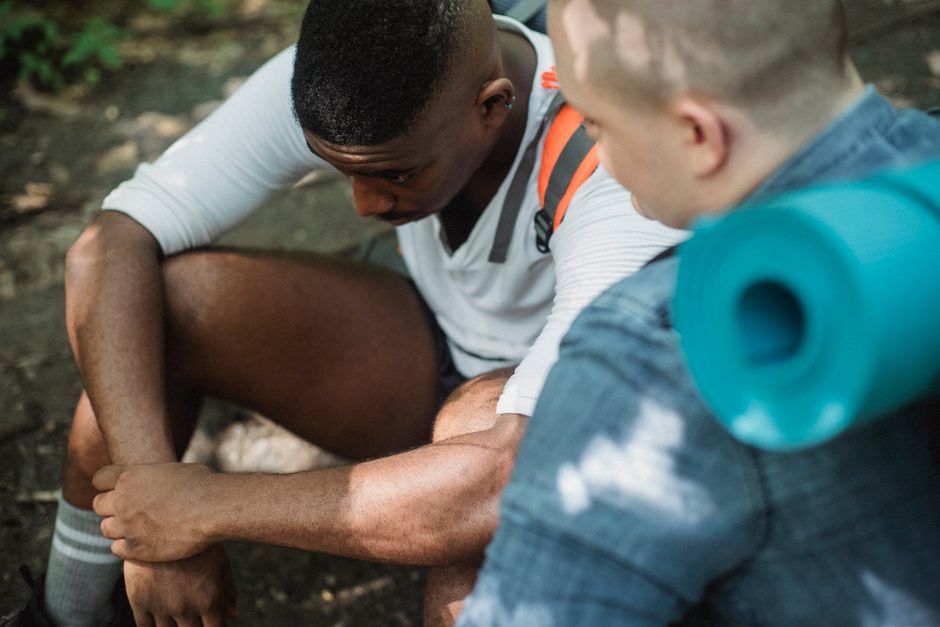
On any given Saturday morning, the Tan Track in Melbourne's inner suburbs buzzes with runners, walkers and cyclists. Yet for many men navigating mental health challenges, taking a single step towards help can feel harder than completing a lap.
The barriers are real. Research consistently shows Australian men are three times more likely to die by suicide than women, yet they're far less likely to seek support. Stoicism, workplace pressure, and entrenched cultural messaging about masculinity continue to silence conversations that could save lives.
But Melbourne's mental health landscape is quietly shifting. Services tailored specifically for men are gaining traction, and local practitioners are designing approaches that resonate with how many men prefer to engage with wellness.
Beyond the traditional therapy room, practical options abound. Organisations like Lifeline Australia and Beyond Blue operate free phone and chat services (both 24/7), with trained counsellors who understand male-specific challenges. For those preferring face-to-face support, suburbs like Fitzroy and Collingwood host men's mental health groups running weekly drop-in sessions, typically costing $10–$25 per session.
Dr Sarah Chen, a local GP based in Carlton, notes that curiosity opens doors. "Many men first reach out about something physical—sleep issues, tension headaches—then realise mental health is the underlying thread," she says. "It's not weakness; it's problem-solving."
Activity-based wellbeing is proving particularly effective. Running clubs along the Yarra River trails, particularly around Abbotsford and Kew, have become informal spaces where men connect without formal therapy labels. Similarly, strength training communities are evolving beyond aesthetics into genuine peer support networks.
One accessible starting point is your local GP. A standard appointment costs $50–$100 (often partially rebated), and practitioners can refer you to subsidised psychology sessions through Medicare's mental health plan. Melbourne's northern and western suburbs have particularly strong GP networks equipped for mental health discussions.
The shift requires honesty: mental health isn't a quick fix. Support is ongoing, messy, and deeply personal. But thousands of Melbourne men have discovered that speaking up—whether to a mate over coffee in Collingwood, a counsellor in the city, or a trusted doctor in your suburb—is the strongest move possible.
If you're struggling, contact Lifeline Australia (13 11 14), Beyond Blue (1300 224 636), or Headspace (headspace.org.au). For emergency support, call 000.
This article was compiled by AI from the sources linked above and screened before publishing. See our editorial standards.
About this article
Published by The Daily Melbourne
Daily brief
Free, in your inbox before 7am. Weekdays.
You might also like
Free daily briefing