How Melbourne's social programs are fighting isolation in older adults
From walking groups to community kitchens, local initiatives prove that connection is just as vital to ageing well as exercise.
3 min read
From walking groups to community kitchens, local initiatives prove that connection is just as vital to ageing well as exercise.
3 min read
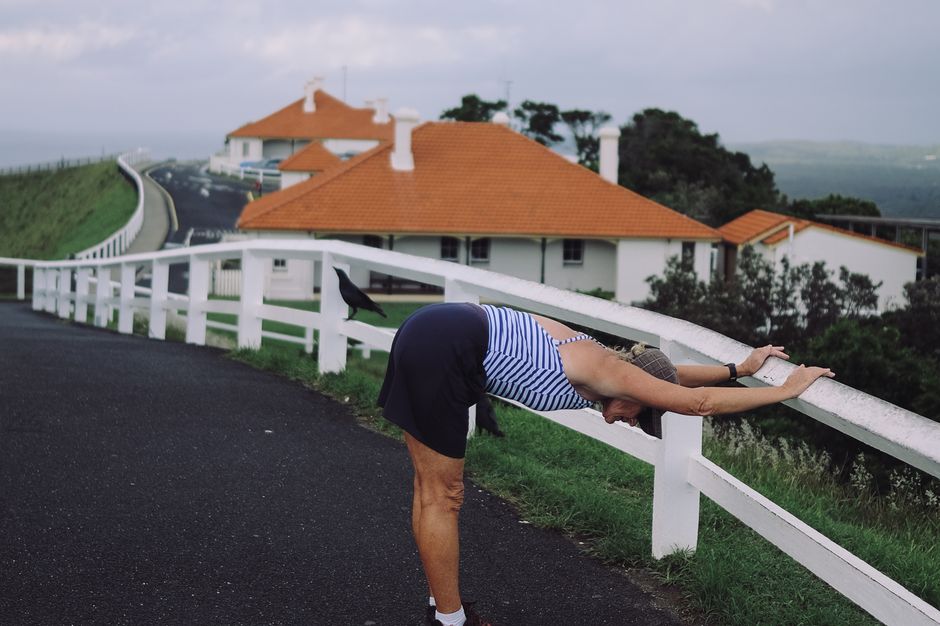
Isolation is a silent killer for older Australians. Beyond the physical decline that comes with sedentary living, loneliness significantly increases risk of depression, cognitive decline, and premature mortality. But across Melbourne, a quiet revolution is taking place—one conversation, one shared meal, one morning walk at a time.
The Yarra River running trails have become an unexpected hub for active older adults. Walking groups like the Fitzroy Community Walkers meet three mornings a week, drawing participants aged 60 to 85. "It's not about speed," says facilitator Maria Chen. "It's about showing up, catching up, and moving together." The program costs just $5 per session, and demand has grown 40% in the past two years.
Down in Collingwood, Pilates studios have adapted their offerings specifically for older adults. Classes at Reform Studio on Smith Street focus on functional strength and balance—skills that translate directly to daily life. At $25 per class or $90 for a five-class pass, regular participants report not just improved mobility, but renewed confidence in their bodies and themselves.
Perhaps more transformative are community cooking programs. North Carlton's "Table for All" initiative brings together older residents twice weekly to prepare affordable meals in shared kitchen spaces. Participants pay around $8 per session, leave with a homemade meal, and, more importantly, with social bonds that extend far beyond the kitchen. The program has become so popular that a second location opened in Thornbury last month.
Victoria's Blue Cross Community Aged Care reports that their group-based programs—ranging from gentle movement classes to conversation circles—have cut reported loneliness scores by 35% among participants over six months. The Tan Track, Melbourne's iconic walking circuit, hosts organised social walking groups daily, with accessibility options for varying fitness levels.
Dr Patricia Okonkwo, a gerontologist at Northern Health, emphasises that these aren't luxury additions to aged care. "Social connection directly impacts physical health outcomes," she explains. "When older adults have regular social engagement, we see improvements in blood pressure, sleep quality, and overall mortality rates."
The beauty of Melbourne's approach is its diversity. Whether someone prefers structured group fitness, creative pursuits, or simply sharing meals, pathways exist. Local councils are increasingly funding these initiatives, recognising prevention costs far less than intervention.
If you're an older adult feeling isolated, or know someone who is, start small: a weekly walk with a friend, a class at a nearby studio, or a community program in your neighbourhood. The research is clear—and Melbourne's growing network of social wellness programs proves it works.
This article was compiled by AI from the sources linked above and screened before publishing. See our editorial standards.
About this article
Published by The Daily Melbourne
Daily brief
Free, in your inbox before 7am. Weekdays.
You might also like
Wellness

Wellness
Wellness

Wellness
Free daily briefing