Yoga styles explained: which one suits your lifestyle
From gentle stretching to high-intensity flows, Melbourne's diverse yoga community offers a practice for every body and schedule.
2 min read
From gentle stretching to high-intensity flows, Melbourne's diverse yoga community offers a practice for every body and schedule.
2 min read
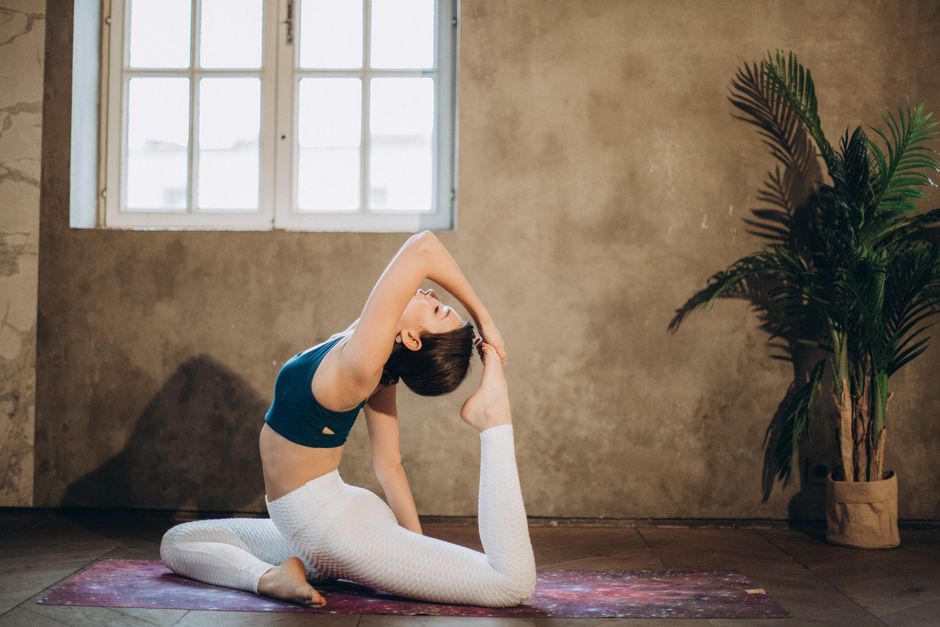
Melbourne's wellness culture has embraced yoga as a cornerstone of mindfulness practice, with studios scattered across Fitzroy, Collingwood, South Yarra and beyond. But with so many styles available, choosing the right yoga can feel overwhelming. Understanding the differences helps you find a practice that genuinely fits your life.
Hatha yoga remains the foundation for beginners. This slower-paced style focuses on holding poses for several breaths, making it ideal if you're new to practice or prefer time to understand alignment. Expect to pay around $18–25 per class at independent studios across the inner suburbs, with 10-class passes typically costing $160–200.
Vinyasa flow suits those seeking a moving meditation. Poses link with breath in continuous sequences, building strength and cardiovascular fitness simultaneously. It's popular among professionals balancing desk jobs with wellness goals—many lunchtime classes in the CBD run 45 minutes, perfect for a midweek reset.
Yin yoga has gained traction in Melbourne's mental health-conscious community. Poses are held for three to five minutes, targeting deep connective tissues while activating the parasympathetic nervous system. This style complements high-stress lifestyles; studios in Fitzroy and Collingwood often offer evening sessions for wind-down.
Power yoga appeals to fitness-focused practitioners. It's dynamic and strength-building, bridging traditional yoga with contemporary fitness culture. If you're already running the Tan Track or exploring Yarra River trails, power yoga enhances functional strength.
Kundalini yoga emphasises breathing, chanting and meditation over physical postures. It's deeply rooted in mindfulness philosophy and attracts those seeking spiritual grounding alongside physical practice.
Restorative yoga uses props—blankets, blocks, bolsters—to support your body in passive poses. Perfect if you're recovering from injury, managing chronic pain or simply need permission to slow down, this style is increasingly available across Melbourne studios.
Location matters. The Tan Track and parklands near Alexandra Gardens host outdoor yoga sessions during winter months, offering free or donation-based options. Most inner-suburb studios offer trial classes ($15–20) so you can sample styles risk-free.
Consider your schedule, fitness level and emotional needs. Seek high-energy flow on busy weeks; choose yin or restorative during stressful periods. Many Melburnians rotate between styles, using yoga as a flexible tool for different life seasons.
Always consult your GP before starting any new exercise program, particularly if managing existing health conditions.
This article was compiled by AI from the sources linked above and screened before publishing. See our editorial standards.
About this article
Published by The Daily Melbourne
Daily brief
Free, in your inbox before 7am. Weekdays.
You might also like
Wellness

Wellness

Wellness
Wellness
Free daily briefing