Magnesium deficiency signs and food sources: what Melbourne's active residents need to know
If you're hitting the Tan Track or Yarra River trails but still feeling fatigued and cramped, your body might be crying out for more magnesium.
2 min read
If you're hitting the Tan Track or Yarra River trails but still feeling fatigued and cramped, your body might be crying out for more magnesium.
2 min read
Melbourne's wellness-conscious community is obsessed with fitness—from early morning runners along the Yarra to pilates devotees in Fitzroy and Collingwood studios. But even the most dedicated athletes can fall short on essential minerals, and magnesium deficiency is quietly sabotaging performance and recovery across the city.
Magnesium regulates muscle function, energy production, and nervous system health. When levels drop, the signs are unmistakable: persistent muscle cramps during or after exercise, unexplained fatigue, difficulty sleeping, and even mood changes like anxiety or irritability. If you're powering through workouts but feeling wrecked by 3pm, deficiency might be the culprit. Migraines and irregular heartbeats are also red flags worth discussing with your GP.
Australia's dietary guidelines suggest adults need 310–420mg daily, depending on age and sex. Most Australians fall short, consuming roughly 250–300mg. The good news? Melbourne's vibrant food scene makes it easy to bridge the gap.
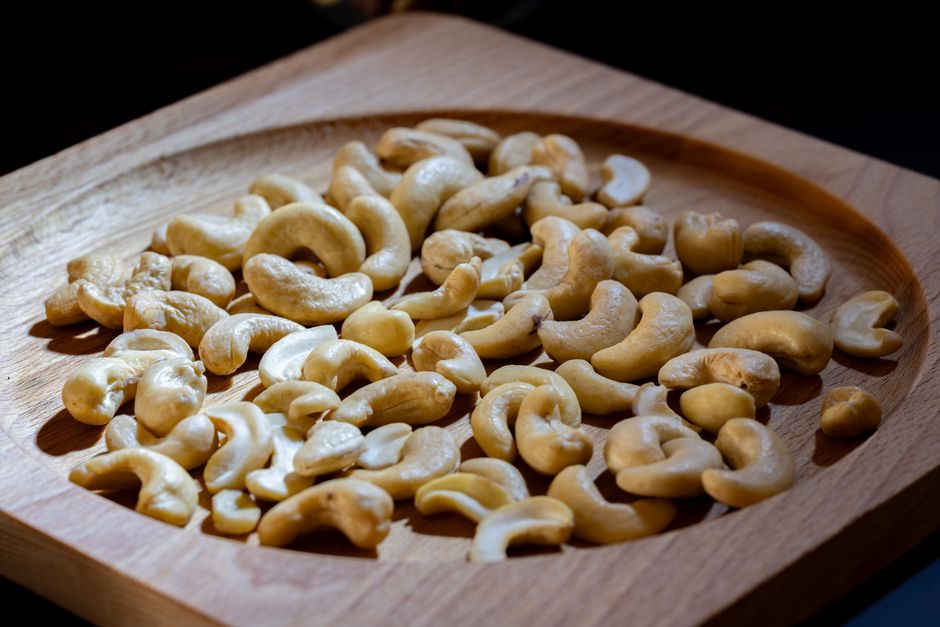
Leafy greens pack the most magnesium: spinach, kale, and silverbeet deliver 150mg+ per cooked cup. Shop Prahran Market or Queen Victoria Market for local produce—expect to pay $3–5 per bunch. Nuts and seeds are portable powerhouses: almonds (80mg per ounce), pumpkin seeds (168mg per ounce), and cashews (82mg per ounce) cost $8–12 per 500g bag at major supermarkets or Carlisle Street delicatessens.
Whole grains, legumes, and fish round out the arsenal. A cup of cooked brown rice delivers 84mg; tinned chickpeas offer 80mg per cup. Salmon and mackerel provide 25–30mg per 100g fillet. Avocados—plentiful at inner-Melbourne markets—contain 29mg each. Even dark chocolate (70% cacao) sneaks in 64mg per 100g, making it guilt-free recovery fuel for those Collingwood pilates sessions.
If you're vegan or vegetarian, prioritise legumes, nuts, and fortified plant-based milks. Athletes sweating through summer runs or winter Tan Track circuits lose magnesium via perspiration, so supplementation may warrant a chat with your local GP or dietitian—Footscray and Hawthorn have excellent allied health clinics.
Building magnesium-rich meals doesn't require overhauling your diet: sprinkle seeds on porridge, swap white rice for brown, snack on almonds before your Yarra run, or whip spinach into smoothies. Small, consistent changes compound into noticeable improvements in energy, sleep quality, and muscle recovery—the trifecta Melbourne's active residents crave.
This article was compiled by AI from the sources linked above and screened before publishing. See our editorial standards.
About this article
Published by The Daily Melbourne
Daily brief
Free, in your inbox before 7am. Weekdays.
You might also like
Free daily briefing