Sarah, a 42-year-old from Fitzroy, manages a full-time marketing role, two school-aged children, and increasingly frequent visits to her mother in Coburg. "By 5 p.m., I'm depleted," she admits. "My health felt like the thing that could always wait."
Sarah's experience reflects a widespread tension facing many Melbourne women: family caregiving responsibilities—whether children, parents, or both—often eclipse personal health priorities. Yet emerging local wellness insights suggest that reclaiming wellbeing doesn't require dramatic overhauls; it requires strategic integration.
The shift begins with accepting that "self-care" looks different when you're managing a household. Rather than multi-hour gym sessions, experts increasingly advocate for movement woven into existing routines. A 15-minute walk along the Yarra River trails from Abbotsford to Fairfield costs nothing and delivers measurable mental health benefits. Similarly, Tan Track offers accessible laps that fit school-holiday schedules or morning slots before work.
Mental health awareness—deeply embedded in Melbourne's culture—has become crucial. Services like Beyond Blue and Lifeline Victoria report growing demand from women juggling multiple caregiving roles. Investing in one therapy session monthly (typically $80–$150 with a mental health care plan) often prevents more costly health crises later.
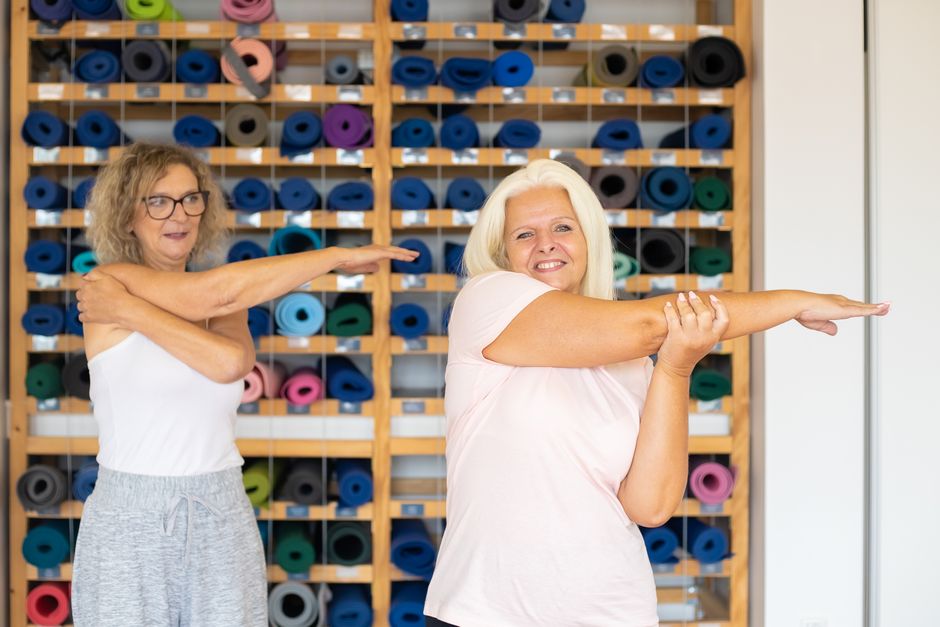
Local community infrastructure helps too. Pilates studios across Collingwood and Fitzroy now offer "carers' classes"—shorter, flexible sessions priced around $20 per class—specifically designed for women with fractured schedules. Some studios even provide drop-in childcare.
Nutrition needn't be complicated either. Rather than abandoning healthy eating, small modifications—batch cooking on Sunday for weekday dinners, choosing whole foods during supermarket runs—reduce decision fatigue while supporting family health collectively.
The psychological shift matters most. Reframing personal health as *enabling* better caregiving—not selfish—changes everything. A well mother, whether managing her own fitness or mental clarity, models resilience for children and manages stress more effectively for aging parents.
For many Melbourne women, the breakthrough arrives when they stop waiting for "perfect conditions" to prioritise health. Instead, they integrate movement, mental health check-ins, and nutritional choices into their existing roles. The Yarra trails don't require gym membership. A weekly walk is free. A conversation with a GP about mental health support costs nothing initially.
Small, consistent actions—not perfection—shift the needle. And in a city where women are increasingly expected to do it all, permission to do *some* things well for themselves might be the most radical wellness move of all.
This article was compiled by AI from the sources linked above and screened before publishing. See our editorial standards.