Build Psychological Resilience One Small Habit at a Time
Mental health experts say you don't need a complete life overhaul to strengthen your emotional foundations—tiny, consistent practices can rewire your stress response.
2 min read
Mental health experts say you don't need a complete life overhaul to strengthen your emotional foundations—tiny, consistent practices can rewire your stress response.
2 min read
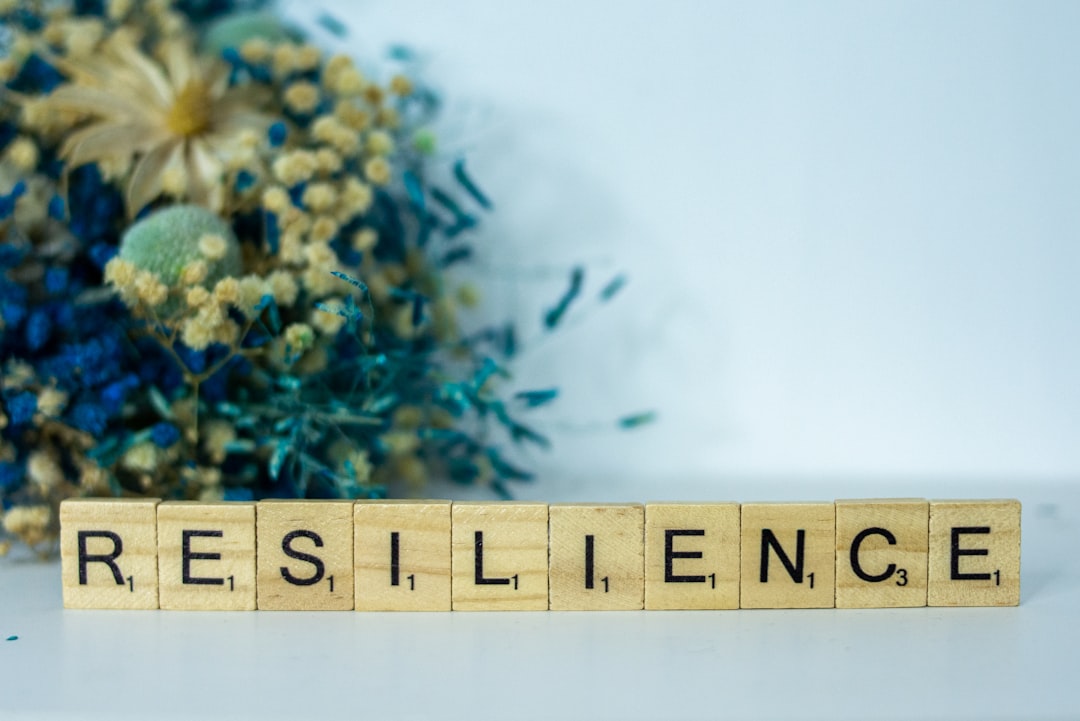
Melbourne's mental health landscape has shifted markedly over recent years, with community awareness campaigns and accessible services like headspace centres in Fitzroy and Collingwood normalising conversations about stress management. Yet many Melburnians still struggle to know where to start when building genuine psychological resilience.
The breakthrough insight from psychologists is reassuringly simple: resilience doesn't require drastic lifestyle changes or expensive interventions. Instead, it's built through micro-habits—small, repeated actions that gradually rewire how your brain processes stress.
Dr Sarah Chen, a clinical psychologist based in Brunswick, explains: "Our brains are plastic. When you repeat a small calming practice daily, you're literally strengthening neural pathways associated with emotional regulation. After six weeks, these pathways become your default response."
Consider starting with a 5-minute morning routine. Before checking your phone, spend five minutes sitting near a window—perhaps overlooking the Yarra River if you're close to the trails in Abbotsford or Kew—and practise conscious breathing. Inhale for four counts, hold for four, exhale for six. This activates your parasympathetic nervous system, your body's natural brake on stress.
A second micro-habit: name three small wins daily. Not major achievements—just completed a work email, made a nourishing lunch, took the stairs instead of the lift. This retrains your brain to spot positives amid daily noise. Cost: zero. Time: two minutes.
Evening wind-down matters equally. An hour before bed, swap screens for a grounding activity: journaling, a short walk around your local park, or even organising a shelf. These tactile, low-stimulation activities signal to your nervous system that the day's demands have ended.
For those seeking guided support, Melbourne offers affordable options. Many GP clinics in suburbs like Hawthorn and Southbank now bulk-bill initial mental health consultations under the Better Access scheme. Pilates studios across Fitzroy and Collingwood (typically $20–25 per drop-in class) combine movement with mindfulness, building resilience through body awareness.
The psychological research is compelling: consistency trumps intensity. A daily 5-minute practice outperforms sporadic intensive efforts. Over three months, these habits compound, creating measurable shifts in anxiety and emotional stability.
The key is starting smaller than you think necessary. Your future self—calmer, more grounded, better equipped to navigate Melbourne's pace—begins with today's two-minute win list.
For personalised mental health advice, consult your local GP or contact Lifeline Australia on 13 11 14.
This article was compiled by AI from the sources linked above and screened before publishing. See our editorial standards.
About this article
Published by The Daily Melbourne
Daily brief
Free, in your inbox before 7am. Weekdays.
You might also like

Wellness

Wellness

Wellness
Wellness
Free daily briefing