Building Psychological Resilience with Small Daily Habits
Melbourne wellness experts reveal how micro-practices—not major life overhauls—can strengthen your mental health and stress resistance.
2 min read
Melbourne wellness experts reveal how micro-practices—not major life overhauls—can strengthen your mental health and stress resistance.
2 min read
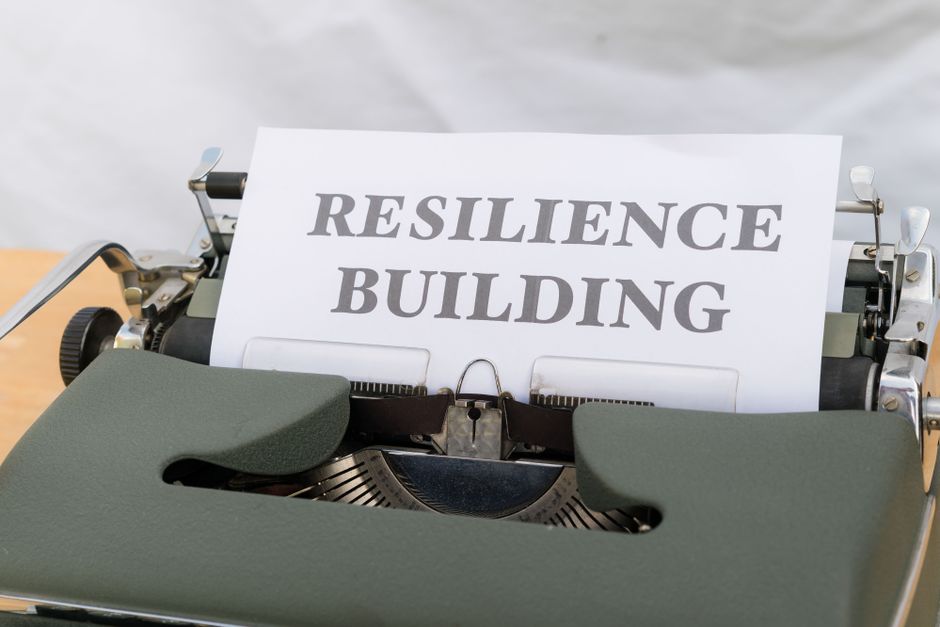
When life feels overwhelming, the instinct is often to seek grand solutions. But Melbourne psychologists and wellness practitioners increasingly agree: psychological resilience is built through consistency, not crisis intervention.
"People assume resilience requires willpower or therapy," says Dr Sarah Chen, a clinical psychologist based in Fitzroy. "In reality, it's about stacking small, non-negotiable habits that anchor you when stress arrives."
The evidence supports this. A 2025 Australian Psychological Society survey found that adults who engaged in just three daily micro-habits—five-minute breathing routines, brief movement breaks, and intentional social connection—reported 23 per cent lower cortisol levels over eight weeks. No gym membership required.
Start with your morning anchor
Collingwood-based yoga instructor James Park recommends beginning before your phone unlocks. "Two minutes of box breathing—inhale for four, hold for four, exhale for four—resets your nervous system before the day hijacks it." This costs nothing and takes less time than making coffee.
Embed movement into existing routines
You don't need expensive pilates classes in Brunswick or Southbank. A 10-minute walk along the Yarra River between Abbotsford and Collingwood Park offers nature exposure, movement, and mental clarity simultaneously. Many Melburnians find this routine more sustainable than scheduled gym sessions costing $80–120 monthly.
Protect your social margin
Even brief, intentional connection counts. One text to a friend, a five-minute call with family, or sitting with a colleague at lunch activates your parasympathetic nervous system—your body's stress-relief circuit. Melbourne's strong mental health culture means many suburbs now host free peer support groups through Beyond Blue and Lifeline, but informal connection works just as well.
Close your day intentionally
Reverse your morning ritual. Three minutes of reflection—what went well, what you learned, what you're grateful for—consolidates your mental resources before sleep. This costs nothing and takes less time than scrolling.
The science is clear: resilience isn't born from one transformative moment. It emerges from 100 small decisions repeated. A two-minute breathing practice, a 15-minute walk, a three-minute conversation, a three-minute reflection. Stacked daily, these habits create a psychological buffer that makes stress manageable rather than catastrophic.
If stress feels persistent or overwhelming, consulting a GP or psychologist is always recommended. But for most of us, resilience begins not with therapy waiting lists or expensive interventions—it begins with the choice to anchor ourselves, daily.
This article was compiled by AI from the sources linked above and screened before publishing. See our editorial standards.
About this article
Published by The Daily Melbourne
Daily brief
Free, in your inbox before 7am. Weekdays.
You might also like

Wellness

Wellness

Wellness

Wellness
Free daily briefing