Staying Hydrated in Melbourne's Heat: How Much and What to Drink
As temperatures climb, hydration becomes non-negotiable for runners on the Tan Track and office workers in the CBD—but generic advice won't cut it.
2 min read
As temperatures climb, hydration becomes non-negotiable for runners on the Tan Track and office workers in the CBD—but generic advice won't cut it.
2 min read
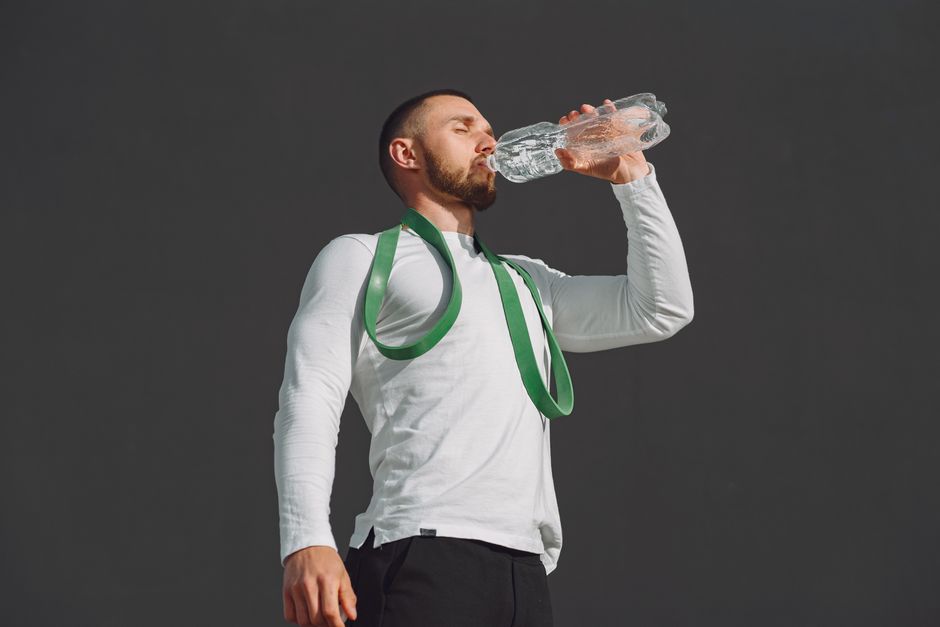
Melbourne's notorious weather swings mean hydration isn't a one-size-fits-all proposition. Whether you're pounding the Yarra River running trails or navigating a heatwave on Bourke Street, what you drink—and how much—matters far more than most of us realise.
The baseline advice is straightforward: most adults need around 2.7 to 3.7 litres of fluid daily, though this shifts dramatically during Melbourne's hotter months. But the real question isn't the number; it's what happens when you're actually moving. A runner tackling the Tan Track on a 28-degree morning loses roughly 1 litre of sweat per hour, depending on fitness level and pace. That's not hyperbole—it's biology that demands replacement.
Water remains your foundation, but it's incomplete during sustained activity. Sports drinks containing electrolytes and carbohydrates—typically 6–8 per cent carbohydrate concentration—can enhance absorption and performance for efforts lasting longer than 60 minutes. A 500ml bottle of commercial sports drink costs roughly $4–6 at convenience stores around Fitzroy and South Yarra, though homemade versions (mixing water, a pinch of salt, and diluted juice) are more economical for regular exercisers.
The timing matters equally. Rather than waiting until you're thirsty, hydration experts recommend drinking 400–600ml of fluid every 15–20 minutes during exercise in warm conditions. Thirst is a lagging indicator—by the time you feel it, you're already dehydrated. This is especially critical for cyclists using the Capital City Trail or walkers traversing the Dandenongs on weekends.
Locals often overlook caffeine's diuretic effect. Your morning flat white from a Carlton laneway café does contribute to daily fluid intake, but the caffeine causes mild fluid loss—so it shouldn't replace water during or immediately after exercise. Similarly, alcohol during Melbourne's summer social season accelerates dehydration and should be matched with equivalent water intake.
Beyond quantity, electrolyte balance matters. Sodium losses during sweating can be significant, particularly for people exercising in heat regularly. Salt tablets or electrolyte powders offer concentrated options, though most everyday hydration needs are met through normal food and drink.
The practical takeaway: carry water on your commute through the CBD, sip consistently rather than gulp, and adjust intake based on sweat rate and conditions. Melbourne's climate demands respect—and hydration is non-negotiable for anyone taking their health seriously.
For personalised hydration or nutrition advice, consult your GP or a sports dietitian at a local Melbourne clinic.
This article was compiled by AI from the sources linked above and screened before publishing. See our editorial standards.
About this article
Published by The Daily Melbourne
Daily brief
Free, in your inbox before 7am. Weekdays.
You might also like
Wellness
Wellness
Wellness
Wellness
Free daily briefing