Better Sleep Melbourne: Fix Temperature, Light & Noise
Melbourne's climate sabotages sleep. Learn how to control bedroom temperature, light and noise to sleep better—backed by local sleep experts.
3 min read
Melbourne's climate sabotages sleep. Learn how to control bedroom temperature, light and noise to sleep better—backed by local sleep experts.
3 min read
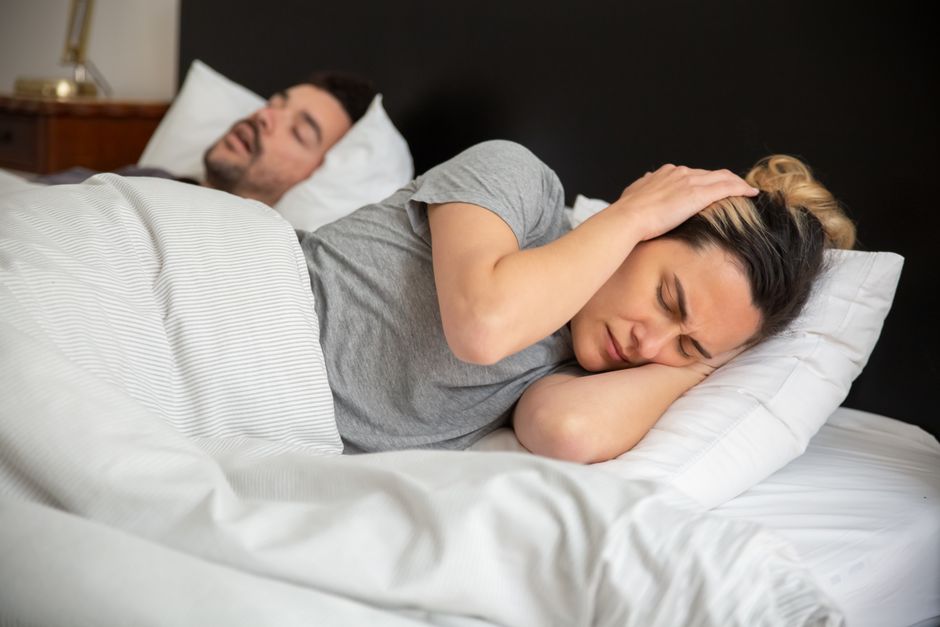
Melbourne's notoriously unpredictable climate and dense urban landscape create a perfect storm for sleep disruption. But according to sleep researchers and wellness practitioners across the city, the solution lies not in expensive supplements or apps, but in mastering three fundamental environmental factors: temperature, light and noise.
Temperature remains the heavyweight champion of sleep quality. Our bodies naturally cool by 2–3 degrees Celsius when we're ready to sleep, and Melbourne's variable seasons can work against this. During winter, many residents run heating systems that keep bedrooms too warm; come summer, the Yarra River's urban heat island effect means inner suburbs like Fitzroy and Collingwood can be 3–5 degrees warmer than outer areas. Sleep experts recommend keeping bedrooms between 16–19 degrees Celsius—a challenge when a typical Melbourne summer pushes indoor temperatures to 24–26 degrees without air conditioning.
Light exposure is equally critical. The prevalence of street lighting along major thoroughfares like Swanston Street and the constant glow from neighbouring buildings disrupts melatonin production. Blackout curtains and eye masks—increasingly stocked at chemists along Chapel Street in South Yarra—have become staples for light-sensitive sleepers. Morning light exposure, however, remains beneficial; residents who exercise along the Tan Track or Yarra River trails early in the day report improved sleep-wake cycles.
Noise pollution presents a third, often underestimated barrier. A 2024 Melbourne City Council report found that inner suburbs experience average nighttime noise levels of 55–65 decibels, well above the WHO's recommended 30 decibels for undisturbed sleep. Tram rumble in areas like Hawthorn and St Kilda, construction along the metro tunnel project, and late-night activity in entertainment precincts all take their toll. White noise machines, earplugs and soundproofing applications—ranging from $200 for basic foam panels to $2,000+ for professional installation—offer partial relief.
The good news? Small adjustments yield measurable improvements. Sleep hygiene workshops at organisations like Beyond Blue now emphasise environmental control as foundational. Locals report better rest by combining affordable strategies: thermal-lined curtains (available from retailers across the CBD from $40–150), blackout linings, and white noise apps.
For personalised advice on sleep issues, consult your GP or a sleep specialist through the Royal Melbourne Hospital's sleep medicine clinic. Melbourne's growing wellness culture means more practitioners are embedding sleep science into their practice—from yoga studios in Fitzroy to physiotherapy clinics across the suburbs.
The takeaway: your bedroom environment is not a luxury concern—it's foundational to your health.
This article was compiled by AI from the sources linked above and screened before publishing. See our editorial standards.
About this article
Published by The Daily Melbourne
Daily brief
Free, in your inbox before 7am. Weekdays.
You might also like
Wellness
Wellness

Wellness

Wellness
Free daily briefing