Why Melburnians Are Sleeping Worse Than Ever—And What Actually Works
From blue light to economic anxiety, sleep deprivation is reaching crisis levels in our city. Here's what sleep experts say you can do about it.
2 min read
From blue light to economic anxiety, sleep deprivation is reaching crisis levels in our city. Here's what sleep experts say you can do about it.
2 min read
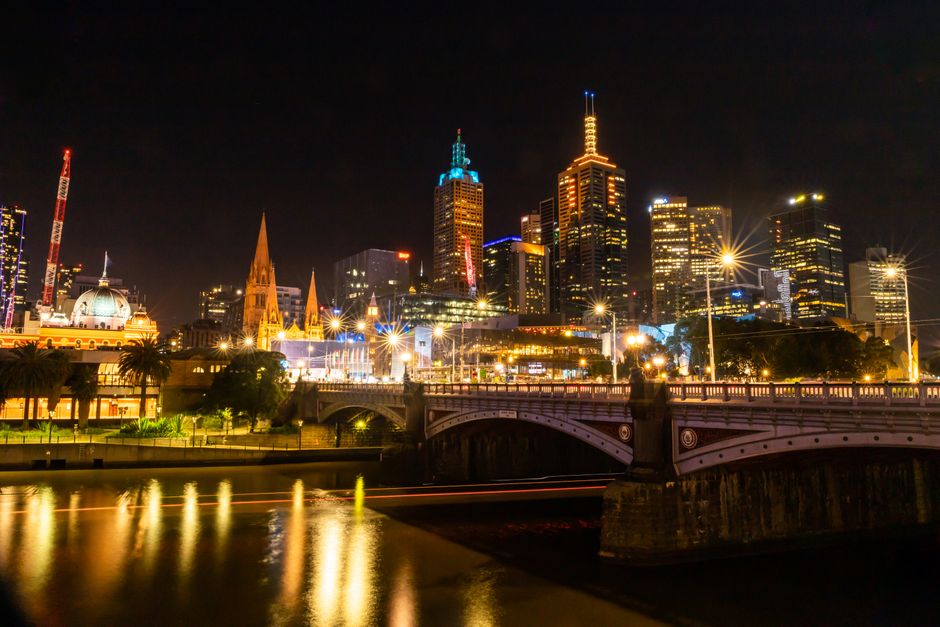
Melbourne's sleep crisis is real. Recent Australian sleep research shows that one in three adults now report poor sleep quality, and our city—with its 24-hour culture, sprawling suburbs, and work-from-home blur—appears to be among the hardest hit.
The culprits are familiar but intensifying. Screen time dominates our evenings; the average Australian adult spends 4+ hours daily on devices before bed. Economic pressures and cost-of-living anxiety keep minds racing at midnight. And unlike residents in quieter regional towns, many Melburnians contend with traffic noise from the Princes Freeway or late-night activity in inner suburbs like Fitzroy and Collingwood.
Dr. Lisa Harrison from the Sleep Health Foundation notes that shift work—endemic in hospitality and healthcare sectors concentrated around the CBD and suburbs like South Yarra—compounds the problem. "Melbourne's productivity culture doesn't help," she observes. "People treat sleep as negotiable."
So what actually works?
The unglamorous answer: consistency beats any supplement. A regular bedtime and wake time—yes, weekends included—anchors your circadian rhythm. For Melburnians relying on morning Tan Track runs or Yarra River trail sessions, schedule exercise before 3 p.m. Evening movement energises rather than settles.
Temperature matters. Your bedroom should sit around 16-18°C; Melbourne's winter nights often require minimal heating, which actually supports better sleep. Summer, however, is brutal. Blackout blinds (available at hardware stores across the CBD and suburbs) cost $40-80 and make measurable difference.
The screen question isn't negotiable: blue light suppresses melatonin production. Most phones now have night-mode settings. Better: stop scrolling by 9 p.m. Read instead. Walk to Federation Square or along the Yarra instead of watching TikTok.
Caffeine lingers 8-10 hours. If you're ordering flat whites at laneway cafés in Brunswick or Northcote past noon, that's likely sabotaging your 11 p.m. bedtime.
If persistent insomnia affects your life, CBT for insomnia (CBT-I) is evidence-based and available through Melbourne's major health networks and private practitioners throughout Hawthorn, Toorak, and inner suburbs. Some GPs bulk-bill initial consultations.
Sleep isn't a luxury. It's a non-negotiable pillar of wellness—especially in a city that never quite stops moving. Start tonight: put the phone down, drop the room temperature, and commit to a consistent schedule. Your mind will thank you.
This article was compiled by AI and screened before publishing. See our editorial standards.
Partner Content
SponsoredPartner Content lets Melbourne businesses reach engaged local readers with a clearly labelled, editorial-style feature. Every placement is marked Sponsored, in line with our sponsored content policy.
Business details including hours, menus and offerings may change. Verify directly with the venue before visiting.
About this article
Published by The Daily Melbourne
Daily brief
Free, in your inbox before 7am. Weekdays.
You might also like
Wellness
Wellness
Wellness

Wellness
Free daily briefing