Mindfulness in schools: what local programs are available
Melbourne educators are increasingly embracing meditation and mindfulness curricula—here's where your children can access them.
2 min read
Melbourne educators are increasingly embracing meditation and mindfulness curricula—here's where your children can access them.
2 min read
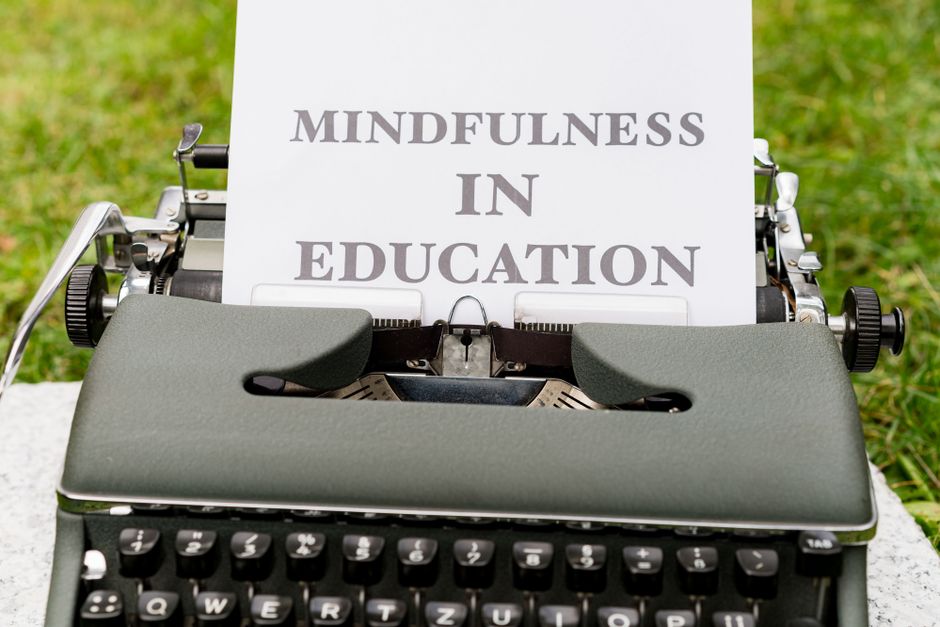
Walk past any primary school in inner Melbourne on a Tuesday morning, and you might catch glimpses of something quietly revolutionary: children sitting cross-legged, eyes closed, learning to notice their breath before their maths lesson begins.
The normalisation of mindfulness in Victorian schools reflects a broader shift in how we approach student wellbeing. Unlike the high-pressure academic focus of previous decades, schools across Melbourne—from Fitzroy to Hawthorn—are now embedding meditation and mindfulness into their daily routines, recognising that emotional regulation matters as much as literacy.
Several established programs operate across the metropolitan area. Mindfulness in Schools Project (MiSP), an international initiative with local coordinators, has trained teachers across government and independent schools to deliver evidence-based curricula like "Dot" (for primary students) and "Stop" (for secondary students). These programs typically involve 10-minute daily practices and cost schools between $2,500 and $5,000 annually for implementation and teacher training.
Locally, organisations like the Victorian Curriculum and Assessment Authority have recognised mindfulness as supportive of student mental health frameworks. Schools including those in the Docklands, South Yarra, and Collingwood regions have reported increased uptake since 2024, with many citing improved focus and reduced anxiety among participants.
Independent providers also fill the gap. Studios clustered around Brunswick Street in Fitzroy and commercial spaces in Southbank offer after-school mindfulness classes targeted at school-age children, ranging from $15 to $25 per session. Some programs combine meditation with movement—particularly popular given Melbourne's active culture—incorporating walking meditation along local green spaces like the Tan Track.
For families seeking school-integrated approaches, speaking directly with your child's school is the logical starting point. Many state schools now have wellbeing coordinators who can outline what's offered in-house. Independent schools in the eastern suburbs have particularly embraced structured mindfulness curricula, often weaving practices into pastoral care programs.
The evidence base is growing. Studies suggest regular mindfulness practice correlates with improved emotional wellbeing and academic performance—critical during adolescence when anxiety and depression rates are rising. Yet implementation varies significantly. Some schools run school-wide initiatives; others limit programs to interested students or those identified as needing additional support.
As Melbourne continues to lead Australia's mental health awareness conversation, mindfulness in schools represents a practical, evidence-informed intervention. Whether through formal curricula or informal practices, the opportunity to equip young Melburnians with tools for emotional resilience is increasingly accessible.
This article was compiled by AI and screened before publishing. See our editorial standards.
Partner Content
SponsoredPartner Content lets Melbourne businesses reach engaged local readers with a clearly labelled, editorial-style feature. Every placement is marked Sponsored, in line with our sponsored content policy.
Business details including hours, menus and offerings may change. Verify directly with the venue before visiting.
About this article
Published by The Daily Melbourne
Daily brief
Free, in your inbox before 7am. Weekdays.
You might also like
Wellness
Wellness

Wellness
Wellness
Free daily briefing