Mindfulness in Schools: What Local Programs Are Available
From Fitzroy to Frankston, Melbourne classrooms are carving out time for stillness — here's what's actually on offer and whether it's working.
4 min read
From Fitzroy to Frankston, Melbourne classrooms are carving out time for stillness — here's what's actually on offer and whether it's working.
4 min read
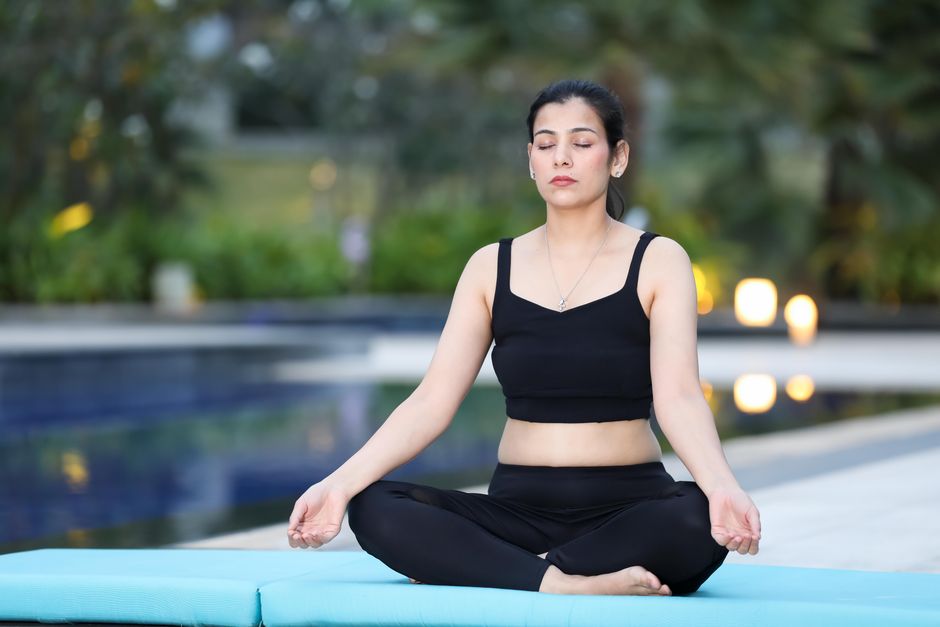
Victorian schools are increasingly embedding structured mindfulness programs into the school day, with at least a dozen metro Melbourne state schools now running weekly sessions as part of the Department of Education's Mental Health in Primary Schools initiative, known as MHiPS. The push reflects a broader reckoning with student wellbeing data that school counsellors have found hard to ignore.
The timing matters. Youth mental health referrals through headspace Melbourne — which operates centres in Collingwood on Smith Street and in Elsternwick — rose roughly 18 percent between 2023 and 2025, according to headspace's national service data. Teachers returning from the July school holidays next week will be preparing for Term 3 programs that, for many schools, now formally include mindfulness alongside literacy and numeracy. A generation of students who spent formative years in pandemic-era disruption is now sitting in Year 7 and 8 classrooms, and welfare coordinators across the inner north describe the cohort as carrying an unusual load of anxiety.
The MHiPS initiative, now in its fourth year, trains a dedicated Mental Health and Wellbeing Leader at each participating primary school. Brunswick North West Primary School on Dawson Street and Fitzroy Primary on Brunswick Street are both listed as MHiPS schools, and both have integrated short breath-awareness exercises into morning circle routines. These sessions typically run five to ten minutes. They are not formal meditation in the Buddhist-derived sense; they draw instead on evidence-based techniques from mindfulness-based stress reduction, the program developed by Jon Kabat-Zinn at the University of Massachusetts in 1979 and now adapted widely for children.
At the secondary level, the Resilience, Rights and Respectful Relationships curriculum — mandatory across Victorian government secondary schools since 2017 — includes social-emotional learning components that incorporate mindfulness exercises in Year 9 and 10 health classes. Implementation, though, is uneven. A 2024 Victorian Auditor-General's Office review of student wellbeing programs found significant variation in delivery quality across schools, and recommended the department tighten guidance on what constitutes a quality mindfulness session.
Outside the government system, the Smiling Mind app — developed by a Melbourne-based not-for-profit headquartered in the CBD on Collins Street — has been adopted by more than 5,000 Australian schools. The app's Schools Program offers curriculum-aligned modules for Foundation through Year 10, and schools can access it at no cost. Smiling Mind reported in its 2025 impact report that students completing an eight-week module showed a 23 percent reduction in self-reported anxiety scores. That figure comes with the usual caveats about self-reporting, but it is the kind of number that gets welfare coordinators' attention at budget time.
Private providers are also circling the market. Programs such as Uplift Schools, which runs facilitator visits to inner-suburban Melbourne schools including several in Northcote and Thornbury, charge approximately $1,200 for a six-week term residency. Independent and Catholic schools with larger discretionary budgets have been quicker to adopt these paid programs; the gap between well-resourced and under-resourced schools in access to quality facilitators remains a live equity issue that the department has not yet publicly addressed.
Parents who want to know whether their child's school has a structured program should ask specifically for the school's Wellbeing Profile, a document all Victorian government schools are required to maintain. Schools must update it annually. If mindfulness is not listed under wellbeing activities, parents can raise the question through the School Council — the term three council meetings begin the week of July 21.
For families wanting to supplement whatever the school provides, Smiling Mind's free parent-facing modules are a reasonable starting point. The app's sleep and school-day stress sequences were updated in March 2026 and run between eight and twelve minutes. Community options exist too: the Collingwood Children's Farm on St Heliers Street runs Saturday morning family mindfulness walks along the Yarra River corridor, and the Melbourne Meditation Centre on Bourke Street offers a low-cost student rate of $15 per session for those aged 15 and over.
As always, parents concerned about a child's anxiety or mental health should speak first with their GP or a registered psychologist rather than treating any school program as a clinical intervention. These programs are tools for building resilience, not substitutes for professional care.
Partner Content
SponsoredPartner Content lets Melbourne businesses reach engaged local readers with a clearly labelled, editorial-style feature. Every placement is marked Sponsored, in line with our sponsored content policy.
Business details including hours, menus and offerings may change. Verify directly with the venue before visiting.
About this article
Published by The Daily Melbourne
Daily brief
Free, in your inbox before 7am. Weekdays.
You might also like
Wellness

Wellness

Wellness
Wellness
Free daily briefing
The Daily Network