Walking Meditation: How to Turn Your Daily Walk Into Mindfulness
Melbourne's running trails and riverside paths are doing double duty as therapy — and the science behind slow, deliberate walking is harder to ignore than ever.
4 min read
Melbourne's running trails and riverside paths are doing double duty as therapy — and the science behind slow, deliberate walking is harder to ignore than ever.
4 min read
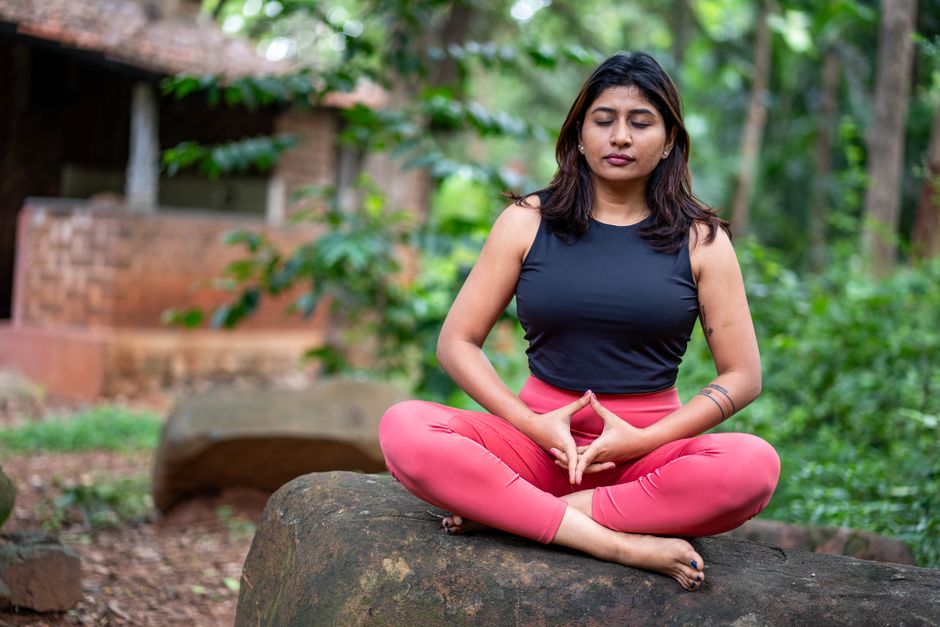
The Tan Track sees roughly 10,000 walkers and runners pass through Royal Botanic Gardens every week. Most of them are plugged into podcasts, scanning Strava splits, or mentally drafting emails. A growing number, however, are doing something that looks almost identical but feels entirely different: walking meditation.
The practice is gaining traction across Melbourne at a moment when the city's mental health culture is wrestling with real strain. Housing affordability has compressed household budgets — first home buyers are pulling back from the market in significant numbers — and the always-on pressure of modern work is doing visible damage. A 2025 report from Beyond Blue estimated that one in five Australians experiences a mental health condition in any given year, and workplace-related anxiety accounts for a disproportionate share of those figures. Meditation apps saw a 34 percent spike in Australian downloads between January and June 2025, according to data published by the Australian Psychological Society. People are clearly looking for relief. The question is whether they're actually finding it.
Walking meditation offers something the 23-minute guided app session does not: it gets you outside, moving through the physical world, with no screen required. The technique draws on Theravāda Buddhist tradition but has been adapted broadly into secular mindfulness programs, including the Mindfulness-Based Stress Reduction curriculum taught at the Melbourne Meditation Centre on Little Collins Street in the CBD. The centre runs an eight-week MBSR course — the July 2026 intake costs $595 — that dedicates an entire session to walking practice. Participants are typically sent out onto the surrounding Hoddle Grid streets to practise between sessions.
The Yarra River trail between Birrarung Marr and Dights Falls in Abbotsford is emerging as a favourite stretch for the practice. The path is mostly flat, 4.5 kilometres one way, and runs alongside water — which mindfulness instructors consistently flag as an environmental cue that slows the nervous system. On weekday mornings, the Collingwood stretch near the Abbotsford Convent is quiet enough to make sustained attention possible before the cycling commuters pick up around 8 a.m.
Fitzroy and Collingwood's pilates studio boom has also fed adjacent interest in slower, more somatic movement practices. Studios like Brunswick's Studio Breathe and the Body Mind Life outpost on Smith Street in Fitzroy now post walking meditation guides on their community boards alongside their class schedules. The crossover demographic — people who already value body awareness through reformer pilates — has been a natural fit.
The mechanics of the practice are less complicated than the name implies. You walk at roughly half your normal pace. You anchor attention to the physical sensation of each footfall: heel, ball, toe. When the mind wanders — to the mortgage, the meeting, the notification — you bring it back to the foot. That's the whole thing. A 2023 meta-analysis published in Frontiers in Psychology examined 27 studies on walking meditation and found statistically significant reductions in anxiety and rumination compared to ordinary leisure walking. The effect size was modest but consistent across age groups.
You don't need to be heading to the Botanic Gardens. Carlton's Princes Park offers a 3.8-kilometre perimeter path that works well during a lunch break. Even the flat blocks between Flinders Lane and the Yarra on the Southbank Promenade can serve the purpose, if you're prepared to treat red lights as built-in pause points rather than irritants.
The practical entry point is small: ten minutes, no headphones, no destination pressure. Start at a tram stop or car park, set a timer, and walk one direction before turning back. Melbourne Meditation Centre's instructors suggest picking a single sensory anchor — breath, footfall, or ambient sound — and returning to it each time attention drifts. The Tan Track's gravel surface makes the footfall anchor particularly easy; the texture is distinct enough to hold attention without effort.
Anyone managing anxiety, chronic pain, or sleep difficulties should speak to their GP or a registered psychologist before treating any practice as a clinical substitute. The Melbourne-based Mindfulness Training Institute Australia, which runs practitioner certification programs, maintains a public directory of trained instructors at mindfulnessaustralia.org.au for those wanting guided support before going it alone.
Partner Content
SponsoredPartner Content lets Melbourne businesses reach engaged local readers with a clearly labelled, editorial-style feature. Every placement is marked Sponsored, in line with our sponsored content policy.
Business details including hours, menus and offerings may change. Verify directly with the venue before visiting.
About this article
Published by The Daily Melbourne
Daily brief
Free, in your inbox before 7am. Weekdays.
You might also like
Wellness

Wellness

Wellness
Wellness
Free daily briefing
The Daily Network