Melbourne Farmers Markets Reveal July's Best Winter Produce and Where to Find It
Winter is peak season for some of Victoria's finest produce, and the city's farmers markets are delivering the goods if you know where to look.
4 min read
Winter is peak season for some of Victoria's finest produce, and the city's farmers markets are delivering the goods if you know where to look.
4 min read
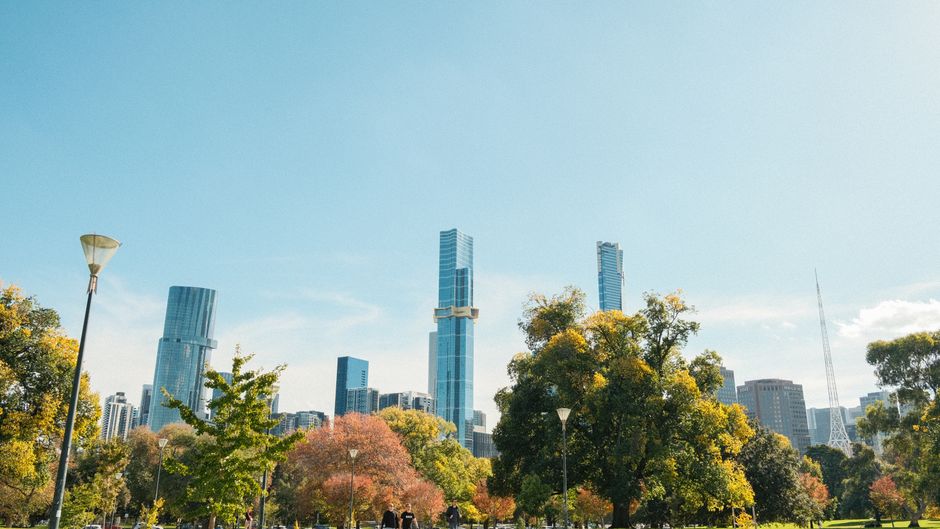
Melbourne's Saturday morning farmers market circuit is hitting its mid-winter stride, and for once, the cold is working in shoppers' favour. July brings some of the most nutritionally dense, lowest-cost produce of the calendar year to market stalls across the inner suburbs — root vegetables, brassicas, citrus and dark leafy greens that dietitians have been pushing for years. The problem is most people have no idea what's actually in season, or which markets are worth dragging yourself out of bed for at 7am in four-degree weather.
Housing costs are chewing through household budgets across Melbourne right now, with first-home buyers increasingly priced out of the market and discretionary spending under pressure. That squeeze makes the economics of farmers markets — often dismissed as a weekend luxury — suddenly more relevant. Buying direct from growers at the South Melbourne Market on Coventry Street, for instance, can cut the price of winter staples like cavolo nero and kale by 30 to 40 percent compared to major supermarket chains, according to research published by the Victorian Farmers Federation in 2025. The social and mental health benefits of a weekly routine built around fresh food and community don't hurt either.
The Collingwood Farmers Market, held on the second and fourth Saturday of each month at Abbotsford Convent on St Heliers Street, is one of the most tightly curated in the city. Around 60 stalls operate under a strict provenance policy — every grower must be from Victoria, and produce must be grown or made by the stallholder. Right now you'll find purple sprouting broccoli, Brussel sprouts still on the stalk, Otway-grown potatoes, blood oranges from Mildura, and whole heads of radicchio from Koo Wee Rup. Most root vegetables are sitting between $3 and $6 per kilogram, which is sharply below the $8-plus you'd pay for organics at a Coles or Woolworths.
The South Melbourne Market, open Wednesday, Friday, Saturday and Sunday, functions as Melbourne's most accessible year-round destination for local food. The market's specialty food section on Cecil Street has permanent stalls carrying Victorian-grown winter squash, Jerusalem artichokes, silverbeet and parsnips. The market has operated on that site since 1867, which gives it a different weight than the pop-up weekend events — it's infrastructure, not Instagram content. For Melburnians after a mid-week shop, it's the most practical option in the inner city.
Further north, the CERES Farmers Market at the CERES Environment Park on Lee Street in Brunswick East runs every Saturday morning and skews heavily organic and biodynamic. July is the ideal time to load up on dark greens here. Tuscan kale, rainbow chard and English spinach are all at peak flavour after exposure to cold snaps, and the vendors generally know their growing methods in detail. The CERES market also carries preserves, fermented vegetables and locally milled grains — ingredients that support the kind of gut-health-focused eating that has dominated wellness conversation through 2025 and into this year.
The seasonal alignment between what's available right now and what the body needs in winter is not accidental. Citrus fruits — navels, mandarins, blood oranges — peak in June and July and deliver vitamin C at the point when immune systems are under most pressure. Brassicas like broccoli, cauliflower and kale carry folate, vitamin K and fibre. Root vegetables — parsnips, turnips, celeriac — provide slow-release carbohydrates that sustain energy through shorter, colder days. Dietitians at services including Nutrition Australia's Victorian branch have consistently pointed to seasonal eating as one of the most evidence-supported ways to improve diet quality without significantly increasing food spend.
The practical case is straightforward. Pick one market that fits your Saturday or Sunday schedule, go before 9am while stock is full, bring a canvas bag and about $40, and work backwards from what looks best rather than arriving with a fixed list. At the Collingwood Farmers Market this coming Saturday — 11 July — expect blood orange season to be in full swing. At CERES, the winter root selection won't get better than it is right now. As always, for personalised dietary guidance specific to your health needs, speak with a GP or accredited practising dietitian in your area.
Partner Content
SponsoredPartner Content lets Melbourne businesses reach engaged local readers with a clearly labelled, editorial-style feature. Every placement is marked Sponsored, in line with our sponsored content policy.
Business details including hours, menus and offerings may change. Verify directly with the venue before visiting.
About this article
Published by The Daily Melbourne
Daily brief
Free, in your inbox before 7am. Weekdays.
You might also like
Wellness

Wellness

Wellness
Wellness
Free daily briefing
The Daily Network