wellness
Cold Weather Dehydrates Melburnians More Than They Realize
Cold, dry air and heated indoor spaces are quietly dehydrating Melburnians who've put down their water bottles since the temperature dropped.
Listen in English · 4 min
How we reported this
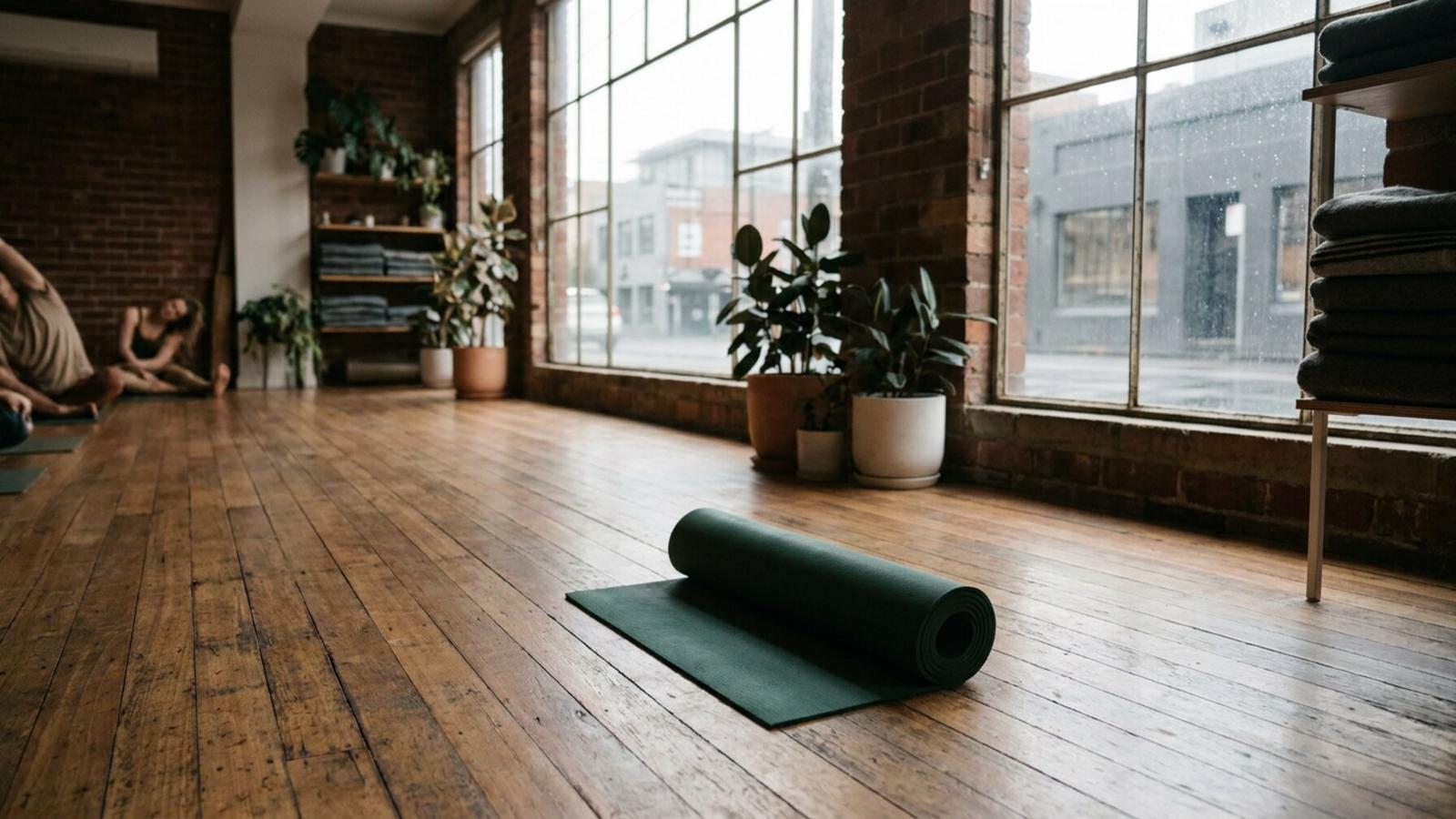
July in Melbourne is cold enough that most people have swapped their drink bottles for takeaway coffee cups. That's a problem. Sports dietitians and general practitioners across the city are seeing a consistent pattern every winter: patients who eat well, exercise regularly and still arrive at consultations mildly dehydrated, largely because they stopped feeling thirsty when the mercury dipped below 15 degrees.
The timing matters. Sydney just recorded its hottest June since 1859, and while Melbourne's winters remain genuinely cold, the Bureau of Meteorology logged a mean maximum of just 13.4°C across the city last month, the region's climate swings hard. Northerly winds driving dry air off the interior hit Melbourne regularly between June and August, stripping moisture from skin and airways without generating the obvious sweat cues most people rely on to trigger drinking. Add the blast of central heating inside apartments in Richmond, Brunswick and the CBD, and the drying effect compounds quietly through the day.
What the Evidence Actually Says
The National Health and Medical Research Council's Australian Dietary Guidelines recommend roughly 2.1 litres of fluid daily for adult women and 2.6 litres for adult men, total fluid, not just water. That figure is a population baseline, not a personal prescription, and it shifts with body size, activity and environment. What the research is consistent on is that thirst is a lagging indicator: by the time you feel it, you're already down around 1 to 2 percent of body-water volume, enough to dull concentration and drag on mood. A 2023 review published in Nutrients found that even mild hypohydration, below that 2 percent threshold, was associated with measurable declines in cognitive performance in adults doing sedentary work, exactly the conditions that describe most open-plan office workers in Melbourne's Docklands or Southbank on a Tuesday in July.
Electrolytes complicate the picture further. Plain water is fine for day-to-day hydration, but people training hard, the 6 a.m. running groups that circle the Tan Track in South Yarra most mornings, or the regulars pushing through reformer Pilates sessions at studios on Smith Street in Fitzroy, lose sodium and potassium through sweat even when the air is cold. Replacing volume without replacing electrolytes can dilute sodium levels, leaving athletes feeling flat despite drinking plenty. The fix isn't necessarily a $5.50 sports drink from a 7-Eleven; a small pinch of salt in a water bottle or a banana alongside a standard drink does the same job for a fraction of the cost.
Melbourne-Specific Tips Worth Actually Using
The Fitzroy North community health centre on Best Street runs a free chronic disease prevention program that includes basic nutrition counselling, and hydration is one of the first things clinicians there address with new patients. Dietitians Australia's Victorian branch maintains a find-a-dietitian tool at dietitiansaustralia.org.au that lets residents filter by suburb, worth bookmarking for anyone wanting an assessment beyond generic advice.
Coffee and tea count toward daily fluid intake, despite the persistent myth that caffeine negates hydration entirely. Studies show habitual caffeine consumers experience little to no net diuretic effect from moderate consumption, two to four cups daily. Melbourne's café culture, dense along Gertrude Street in Fitzroy or Hardware Lane in the city, is not the hydration enemy it's been made out to be. The issue is when coffee replaces water entirely and nothing else fills the gap.
Practically speaking, the most effective low-effort change is environmental: keep a one-litre bottle on your desk, refill it twice before 3 p.m., and treat that as the floor not the ceiling. If you're running the Yarra River trails from Princes Park down to Birrarung Marr, carry fluid from the start rather than relying on the bubblers near the boatsheds, which are intermittently out of service during winter maintenance. Pale straw-coloured urine remains the cheapest, most reliable indicator that you're drinking enough, and it requires no app, no wearable and no $18 wellness supplement whatsoever.
Anyone managing a health condition, taking medication that affects fluid balance, or training at high intensity should get personalised advice from a GP or accredited practising dietitian rather than calibrating intake off a general guideline.