Protein Sources Beyond Meat: A Local Guide
From Smith Street tempeh to Fitzroy's farmers' market staples, Melbourne's plant-forward food scene makes it easier than ever to hit your daily protein targets without touching a steak.
4 min read
From Smith Street tempeh to Fitzroy's farmers' market staples, Melbourne's plant-forward food scene makes it easier than ever to hit your daily protein targets without touching a steak.
4 min read
Australians eat roughly 96 kilograms of meat per person each year — one of the highest rates in the world — yet a growing slice of Melbourne's population is actively hunting for protein that doesn't come wrapped in butcher's paper. Gym memberships are up across inner-city suburbs, the Tan Track sees record foot traffic on winter mornings, and the question dietitians here get most often in 2026 is some version of the same thing: where do I get my protein if I'm cutting back on meat?
The answer is already on the shelves within a few kilometres of the CBD, if you know where to look. A sustained stretch of abnormal heat across the country this winter — Sydney's June was the warmest since 1859 — has nudged more consumers toward thinking about food systems, sustainability, and what's actually on their plates. Protein anxiety tends to follow any significant lifestyle shift, and Melbourne's wellness culture, which runs from Carlton's yoga studios to the pilates reformer rooms lining Smith Street in Collingwood, has made the conversation louder.
Start with legumes. A 400-gram can of chickpeas from any Prahran Market stall costs under $2.50 and delivers about 19 grams of protein. Lentils — French, red, Puy — are stacked high at the Organic Fix on Brunswick Street, Fitzroy, and a 500-gram bag runs around $4. These aren't niche health-food items anymore; they're staples, and local cooks have been building entire menus around them for years.
Tempeh deserves a longer conversation. Fermented soybean cake sounds austere, but the product made by Boomerang Foods, a Melbourne-based manufacturer operating out of Thomastown, contains roughly 19 grams of protein per 100 grams — more than chicken breast by weight — along with a gut-friendly fermentation profile. Independent grocers across Fitzroy and Collingwood stock it regularly. Pan-fry it in tamari and garlic, slice it into grain bowls, or crumble it into a pasta sauce. It takes flavour readily and holds its shape under heat.
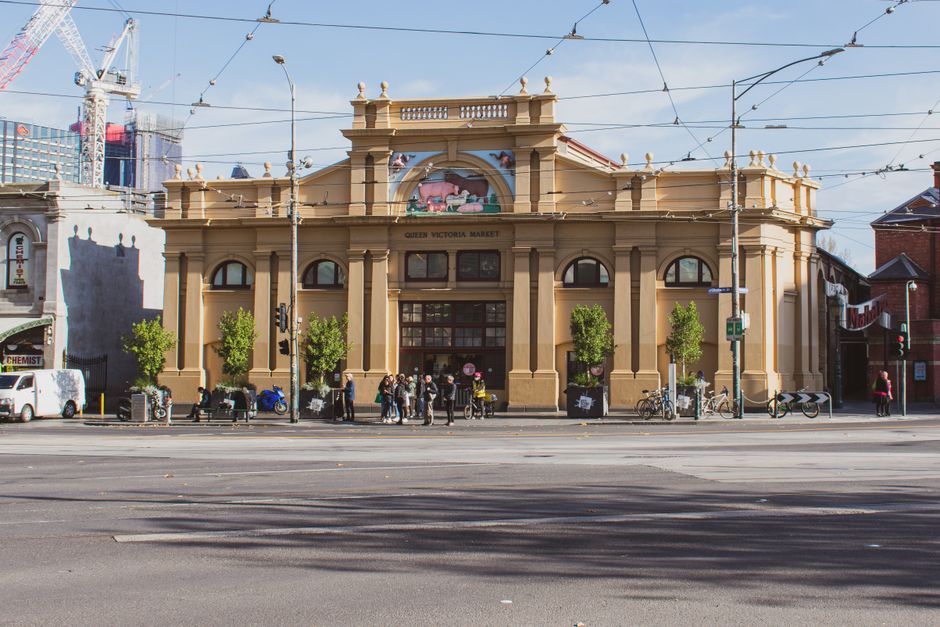
Eggs remain the most efficient complete protein for Melburnians who still eat animal products but want to reduce red meat. The Queen Victoria Market's egg vendors on Victoria Street sell free-range dozen packs for $7–$9, and two large eggs provide around 12 grams of high-bioavailability protein. Cottage cheese — long overlooked — has made an aggressive comeback in 2026. Jalna, the Thomastown-based dairy co-operative, produces a full-fat version with 13 grams of protein per 100-gram serving. It's cheaper than most protein powders and requires no shaker bottle.
Hemp seeds are worth adding to the list. Three tablespoons contain around 10 grams of complete protein, meaning they carry all nine essential amino acids — the same benchmark used to assess meat's nutritional value. Hemple, an Australian producer, supplies several health food stores in Richmond and Northcote. Sprinkle them over yoghurt, into smoothies, or across a salad tossed with tahini dressing.
Nutritionists in Melbourne frequently point clients toward combining complementary plant proteins across the day rather than chasing a single source. The Nutrition Society of Australia recommends adults aim for 0.8 grams of protein per kilogram of body weight daily — that's 64 grams for an 80-kilogram person — but people exercising regularly along routes like the Yarra Trail or doing resistance work at gyms in South Yarra often need closer to 1.2–1.6 grams per kilogram.
If you're unsure where your own intake sits, the most practical first step is a food diary — three days, written honestly — before making any structural changes to your eating. An Accredited Practising Dietitian (APD) registered through Dietitians Australia can assess that diary against your specific health picture. The organisation's website carries a postcode-based search tool to find practitioners near you. Several bulk-billed and low-gap options operate out of community health centres in Brunswick, Footscray, and Dandenong for those managing cost. Protein is not complicated. Melbourne's food scene has already done most of the sourcing work for you.
Partner Content
SponsoredPartner Content lets Melbourne businesses reach engaged local readers with a clearly labelled, editorial-style feature. Every placement is marked Sponsored, in line with our sponsored content policy.
Business details including hours, menus and offerings may change. Verify directly with the venue before visiting.
About this article
Published by The Daily Melbourne
Daily brief
Free, in your inbox before 7am. Weekdays.
You might also like
Wellness
Wellness
Wellness

Wellness
Free daily briefing
The Daily Network