The science behind mindfulness: what it actually does to the brain
Researchers have now mapped exactly how meditation reshapes neural circuitry — and Melbourne's wellness scene is catching up with the evidence.
4 min read
Researchers have now mapped exactly how meditation reshapes neural circuitry — and Melbourne's wellness scene is catching up with the evidence.
4 min read
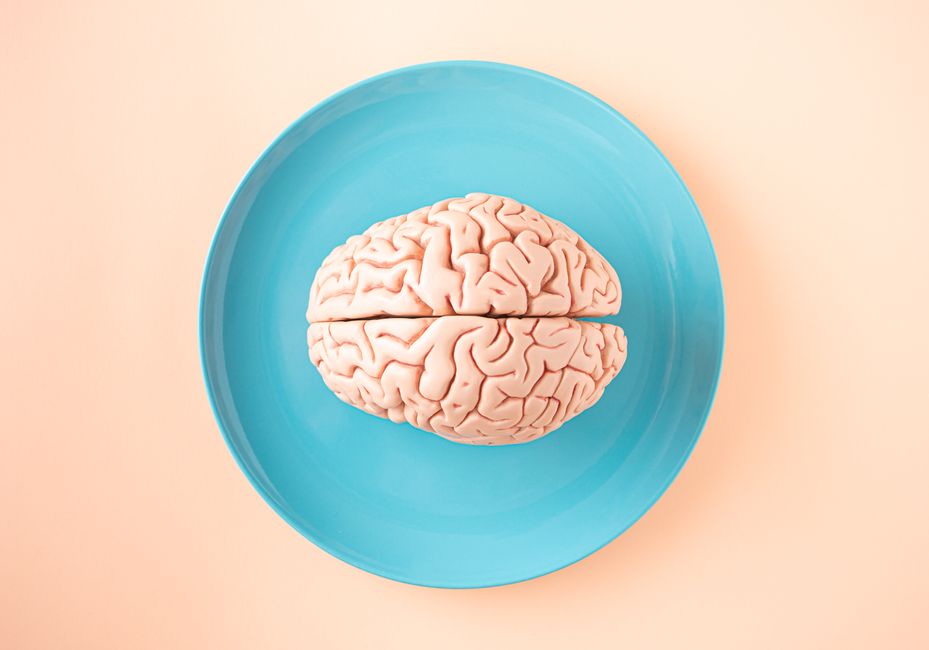
Eight weeks. That's how long it takes for a consistent mindfulness practice to produce measurable changes in the brain's grey matter density, according to landmark research from Massachusetts General Hospital first published in Psychiatry Research: Neuroimaging. The finding — that the hippocampus, the region central to learning and emotional regulation, physically thickens after roughly 56 days of practice — has quietly reframed how neuroscientists and clinicians think about meditation. It's no longer a soft wellness concept. It's structural biology.
The timing matters. Melburnians are sitting with a heavy winter, a cost-of-living squeeze that shows no sign of easing before the federal budget mid-cycle review, and a broader national mood that clinical psychologists describe as chronically activated. Stress is not abstract. Sustained stress floods the body with cortisol, which, over time, shrinks hippocampal volume and impairs the prefrontal cortex — the part of the brain responsible for rational decision-making and impulse control. Mindfulness, the research increasingly shows, works directly against that process.
The mechanism is specific. Regular meditation practice dampens activity in the default mode network, a web of brain regions that fires up during mind-wandering and self-referential rumination — the neurological engine behind the loop of anxious or depressive thought. A 2023 meta-analysis in Nature Mental Health, drawing on data from 163 randomised controlled trials involving more than 12,000 participants, found that mindfulness-based interventions produced statistically significant reductions in anxiety, depression, and perceived stress, with effect sizes comparable to antidepressant medication for mild-to-moderate presentations. Comparable. Not identical — but comparable enough that the research community stopped treating the comparison as provocative.
The practical uptake in Melbourne is visible in specific postcodes. Headspace, the Australian-founded meditation app that launched out of Melbourne in 2010 before relocating its headquarters, retains strong local brand recognition, but the city's in-person scene has matured considerably. The Melbourne Meditation Centre on Flinders Lane in the CBD runs eight-week Mindfulness-Based Stress Reduction programs — the same protocol developed by Jon Kabat-Zinn at the University of Massachusetts in 1979 that underpins most of the clinical research — priced at around $495 for the full course. In Fitzroy, the Dharma Meditation Centre on Smith Street offers drop-in sessions from $15, sitting alongside the pilates and yoga studios that have colonised the suburb's ground-floor tenancies over the past decade.
Monash University's Turner Institute for Brain and Mental Health has been running its own mindfulness research program since 2019, conducting trials specifically within the Australian population. The institute's work has examined how short daily practices — as brief as ten minutes — affect attentional control in university students and adults over 50. The results align with the international literature: frequency matters more than duration. Ten minutes daily outperforms a single 70-minute session per week on almost every measurable outcome.
The brain changes are only part of the picture. Mindfulness practice consistently lowers resting heart rate and reduces inflammatory markers including C-reactive protein and interleukin-6. A 2024 study out of the University of Melbourne's School of Psychological Sciences found that participants who completed a six-week online mindfulness program reported a 31 percent reduction in perceived stress scores and showed measurable decreases in salivary cortisol levels at follow-up. The program, run through the university's Psychology Clinic in Parkville, cost participants $120 — substantially less than many private psychological services in the city.
For Melburnians wanting to start without a financial commitment, the Royal Melbourne Hospital's mental health unit publishes a free guided meditation library on its website, updated in March 2026. The Tan Track around Kings Domain, a 3.8-kilometre loop that doubles as one of the city's most-used running circuits, has also become an informal venue for walking meditation groups that meet on Saturday mornings — no booking, no fee, just a slower pace than the lycra-clad crowd. The science suggests that's enough to begin. The brain, it turns out, is more responsive to repetition than intensity. Start small. Start consistent. The structural changes follow. Consult your GP or a registered psychologist if you are experiencing significant mental health symptoms before beginning any new program.
Partner Content
SponsoredPartner Content lets Melbourne businesses reach engaged local readers with a clearly labelled, editorial-style feature. Every placement is marked Sponsored, in line with our sponsored content policy.
Business details including hours, menus and offerings may change. Verify directly with the venue before visiting.
About this article
Published by The Daily Melbourne
Daily brief
Free, in your inbox before 7am. Weekdays.
You might also like
Wellness

Wellness
Wellness

Wellness
Free daily briefing
The Daily Network