wellness
Melbourne's Best Local Fermented Foods Boost Your Gut Health
From kimchi at Queen Victoria Market to house-made kefir in Collingwood, Melbourne offers plenty of gut-friendly options for residents eager to boost their digestive wellness.
How we reported this
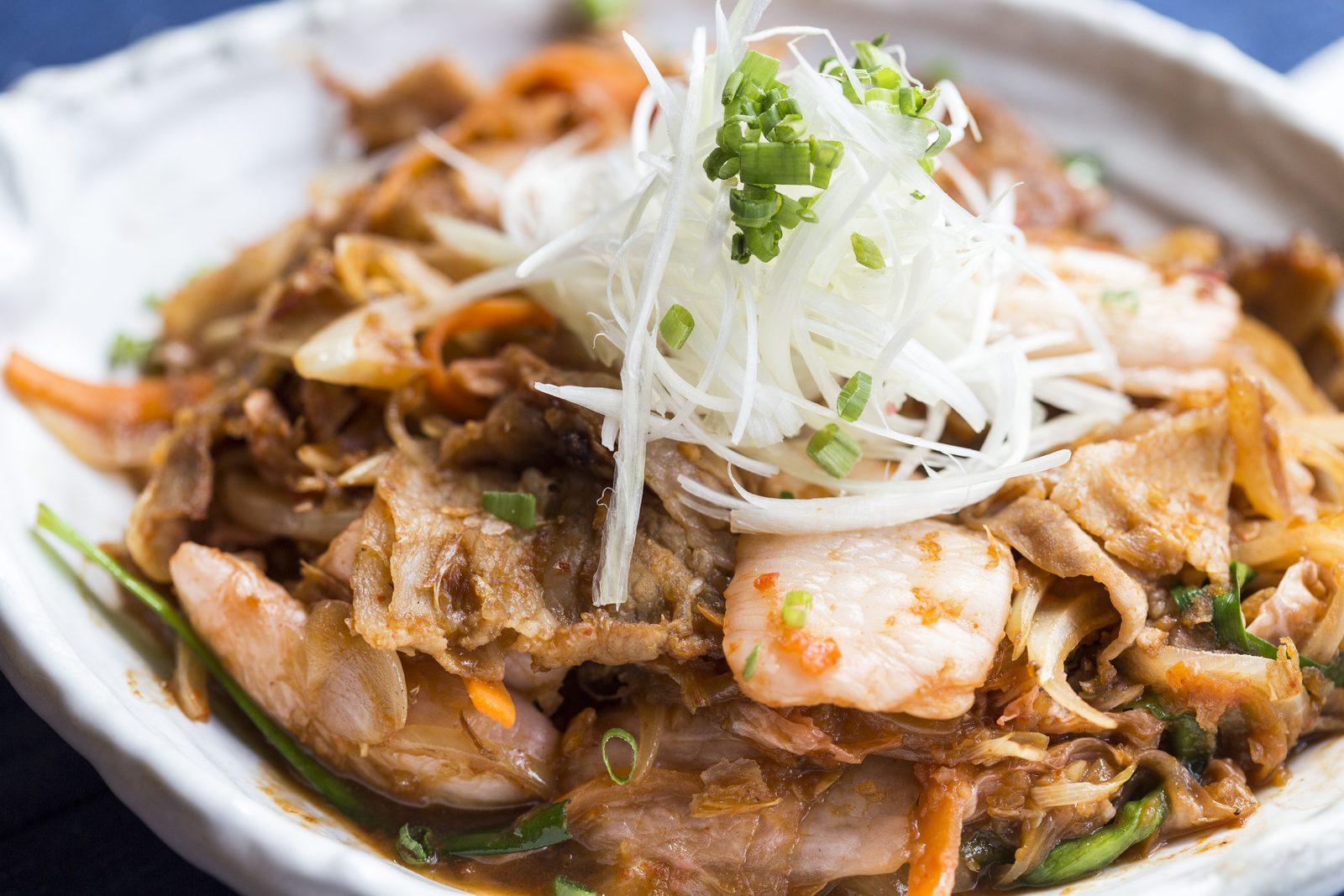
Kombucha bottles crowd the cold fridges in Fitzroy’s organic grocers, and the scent of sourdough loaves wafts up from bakery windows across Carlton. Fermented foods aren’t just trendy in Melbourne-they’re reshaping how many locals look after their digestive health, according to nutritionists and market owners. Sales of sauerkraut, miso, and other cultured staples have surged over the past year, as Melburnians seek out ways to support their guts and boost immunity during another round of winter viruses.
Why fermentation is having a moment now
The renewed interest in fermented foods comes as Melburnians grapple with heightened health concerns amid record-breaking warmth and early flu spikes across the state. With climate change altering seasonal food availability and stress levels running high-especially following last month’s announcement of the hottest June in Sydney’s history-many are looking for simple, accessible ways to care for their bodies. Gut health is top-of-mind. Probiotics, naturally found in fermented products like kimchi and kombucha, support a balanced gut microbiome, which scientists say can influence everything from digestion to mental wellbeing. Melbourne’s robust mental health awareness culture-visible in community workshops along the Yarra River running trails and cafes around the Tan Track-has only heightened this focus on holistic nutrition.
Local experts, including dietitians at the Royal Melbourne Hospital, recommend introducing fermented foods as part of a regular diet to help replenish good bacteria lost to stress or processed meals. Even mainstream grocery chains like Coles and Woolworths have expanded their chilled ranges to include not just kombucha and yoghurt but also locally produced tempeh and miso paste. Still, it’s Melbourne’s independent markets and neighbourhood cafes that house the true gems.
Where to shop-and what to try
Korean Food House on Victoria Street in Richmond has seen steady traffic on weekends, with shoppers snapping up jars of house-fermented kimchi for $13.50 each. Queen Victoria Market, spanning the blocks between Elizabeth and Peel Streets, now boasts three stalls specialising in fresh kefir and sauerkraut-The Fermentary’s beetroot kvass sells out almost every Saturday by noon. In Collingwood, Wild Deli on Smith Street recently introduced natto (fermented soybeans) alongside their usual lineup of house-made kefir and sheep’s milk yoghurt, tapping into demand from locals keen to diversify their probiotic intake.
Baker Bleu in Armadale and Caulfield North draws queues for their slow-fermented sourdough, with a standard loaf priced at $8.50. Owner-run cafes along Brunswick Street have begun highlighting fermented ingredients in specials boards: both Everyday Coffee and Alimentari offer miso-glazed vegetables or pickled carrot sides alongside salads, tapping into the growing appetite for gut-friendly meals. On weekends, the farmers’ market at Abbotsford Convent hosts a monthly stall for Green Gully Organics, who specialise in raw sauerkraut that goes for $12 a jar-their supply almost always gone by midday.
What the research says-and what’s next
According to the CSIRO, around 15% of Australians now regularly consume fermented foods, up from just 5% five years ago. Consumption of kombucha has tripled across capital cities since 2022, while The Fermentary reports a 40% increase in sales of kimchi and sauerkraut in metropolitan Melbourne since last winter. Evidence suggests that adding even small amounts of fermented products-a tablespoon of sauerkraut or a glass of kefir a few times a week-can boost beneficial gut bacteria. Melbourne-based dietitian services such as The Mind Room in Collingwood have introduced new workshops this month focused on “food mood” and the link between gut health and stress management.
For those interested in starting slowly, nutritionists advise picking up small portions of naturally fermented foods-such as unpasteurised kimchi or raw sauerkraut-at markets or delis, rather than highly processed supermarket varieties. For more involved projects, the City of Melbourne’s community centres in Carlton and Southbank have scheduled beginner-friendly fermentation classes through July and August (sessions typically cost $25). As locals continue to weather the winter wave of colds, a spoonful of pickled cabbage or a fresh sourdough sandwich could help tilt the balance back in favour of good bacteria-for now, at least, that’s what’s finding traction in Melbourne fridges and on cafe menus alike.