How to Eat Well on a Tight Budget: Local Tips for Melbourne
With grocery bills still biting and Melbourne winters making comfort food tempting, eating nutritiously for less is entirely doable — if you know where to look.
4 min read
With grocery bills still biting and Melbourne winters making comfort food tempting, eating nutritiously for less is entirely doable — if you know where to look.
4 min read
The average Melbourne household spent $237 a week on food and non-alcoholic drinks in the most recent Australian Bureau of Statistics Household Expenditure Survey, but community food advocates say that figure masks a much harsher reality for renters in the inner north and western suburbs, where discretionary income has shrunk sharply since 2023 interest rate cycles peaked. Eating well on less is not a lifestyle choice for many Melburnians — it's a weekly logistics problem.
Winter compounds everything. Cold snaps push people toward cheap, processed carbohydrates. Seasonal produce changes. And the psychological weight of financial stress — well documented in Australian Institute of Health and Welfare reports on food insecurity — makes planning harder. The good news: Melbourne has a genuinely dense network of affordable food infrastructure that most residents walk past without noticing.
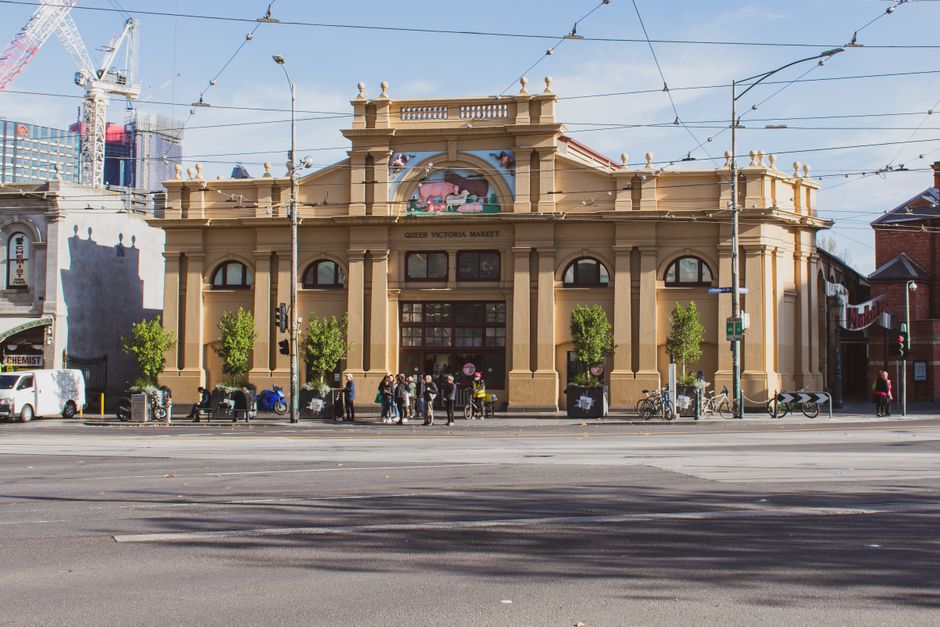
Start at the Queen Victoria Market on Elizabeth Street. The last 90 minutes before closing on Tuesday, Thursday, Friday and Saturday mornings — trading ends at 3pm most days — is when stallholders discount heavily to avoid carrying stock home. A kilogram of seasonal root vegetables, the kind that form the base of a week's worth of soups and stir-fries, regularly drops below $2 in those windows. Bring a tote bag and no brand loyalty.
Footscray Market on Hopkins Street is the other anchor. The Vietnamese and African grocery stores surrounding the market proper sell dried legumes, lemongrass, fresh turmeric and whole spices at prices that make the spice aisle at a Coles in South Yarra look absurd. A 500-gram bag of red lentils — one of the highest protein-per-dollar foods available — costs around $1.80 at several stores on Irving Street. Lentils, sweet potato and coconut cream: that's four servings of genuinely nutritious food for under $6 total.
IGA stores vary wildly, but the one on Smith Street in Fitzroy stocks a reasonable range of marked-down produce near end-of-day. Neighbourhood Houses — there are more than 140 across Greater Melbourne — often run community pantries and low-cost cooking classes. The Fitzroy Learning Network on Young Street runs regular sessions specifically targeting budget meal preparation, with a sliding scale or no-cost option for concession card holders.
Nutritionists working through community health centres consistently point to the same framework: build meals around a cheap protein base (eggs, legumes, canned fish), use frozen vegetables instead of fresh when budget is tight — frozen spinach and peas retain most of their micronutrient content — and batch cook on Sundays to avoid the $14 lunch trap mid-week.
Canned sardines, still under $2 a tin at most independent grocers, deliver omega-3 fatty acids and calcium in quantities that rival far more expensive options. A dozen free-range eggs from the Queen Vic Market egg vendor runs about $6.50. Those two items alone, combined with whatever vegetables are cheapest that week, can anchor four or five dinners without repetition feeling punishing.
OzHarvest's Melbourne operation, based in Wurundjeri Country and operating out of a facility in Prahran, redistributes surplus food to more than 100 charities across the city. Their FEAST program — Free Education About Sustainability and Thrift — teaches practical cooking skills using rescued ingredients. Registrations for the next round of sessions open in August 2026 via their website.
The broader point is this: eating well in Melbourne on a constrained budget requires treating grocery shopping like a skill rather than a chore. Learn the markdown rhythms of your nearest market. Keep a jar of dried legumes on the bench. Know that Footscray and Springvale are cheaper per nutritional unit than most inner-city supermarkets, and that the Yarra Trail runs right past several community gardens — including the long-running Burnley Community Garden in Richmond — where seasonal surplus is sometimes freely available to members for as little as $20 a year.
Anyone managing a health condition that affects dietary needs should speak with a GP or accredited practising dietitian before making significant changes — many bulk-bill or offer reduced-fee consultations through community health centres including Cohealth, which operates across the inner west and northern suburbs.
Partner Content
SponsoredPartner Content lets Melbourne businesses reach engaged local readers with a clearly labelled, editorial-style feature. Every placement is marked Sponsored, in line with our sponsored content policy.
Business details including hours, menus and offerings may change. Verify directly with the venue before visiting.
About this article
Published by The Daily Melbourne
Daily brief
Free, in your inbox before 7am. Weekdays.
You might also like

Wellness

Wellness

Wellness

Wellness
Free daily briefing
The Daily Network