Five Seasonal Recipes Using Local Produce Available Right Now
Melbourne's winter farmers' markets are stacked with root vegetables, dark leafy greens and citrus — here's how to turn them into five weeknight meals worth cooking.
4 min read
Melbourne's winter farmers' markets are stacked with root vegetables, dark leafy greens and citrus — here's how to turn them into five weeknight meals worth cooking.
4 min read
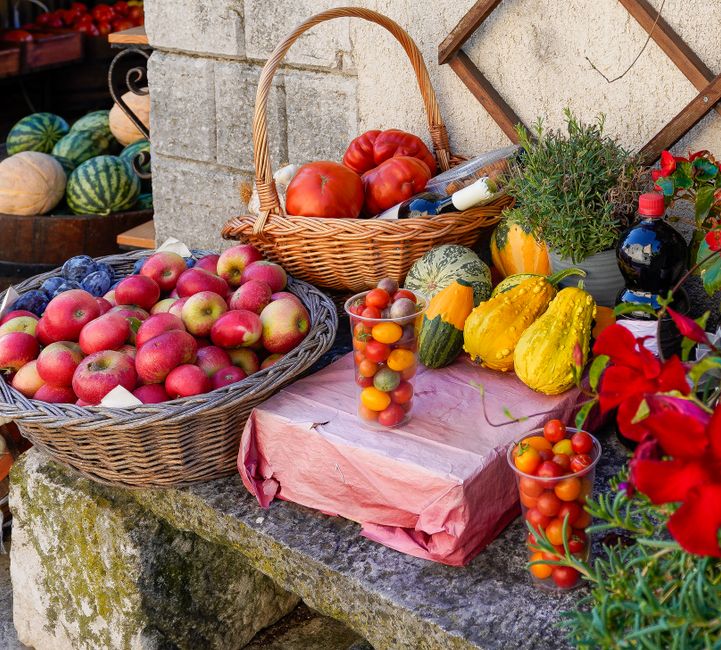
July is peak season for some of Melbourne's most nutritious produce, and the city's network of growers' markets is currently overflowing with it. Cavolo nero, celeriac, blood oranges, Jerusalem artichokes and Otway pork are all at their best this week — and nutritionists say there has never been a better time to lean into cold-weather cooking for both physical and mental health.
The timing matters. Winter in southeastern Australia tends to drive people indoors and toward processed convenience food, just as immune systems face their greatest seasonal pressure. The Victorian government's Healthy Eating Advisory Service, which runs free consultations for community groups and workplaces, reported in its 2025 annual summary that fewer than 6 per cent of Victorian adults met the recommended five daily serves of vegetables. That figure is worse in winter months. Eating locally and seasonally is one practical lever people can pull without a dietitian's referral — though anyone managing a chronic condition should talk to one before overhauling their diet.
Melbourne's produce infrastructure makes it relatively easy. The Collingwood Children's Farm Market on St Heliers Street runs every second Saturday, and this weekend's stall holders include two certified organic farms from the Yarra Valley. The South Melbourne Market on Cecil Street stocks Victorian-grown winter greens six days a week, with celeriac from Silvan and blood oranges from Mildura typically priced at $4–$6 per kilogram through July. The Melbourne Farmers Markets program, which coordinates eight rotating sites across the city, publishes a seasonal produce guide each month — the July edition went live on 1 July and lists 23 vegetables currently at peak.
1. Celeriac and white bean soup. Roast a whole celeriac (roughly 800g, around $5 from South Melbourne Market) at 200°C for 45 minutes, scoop the flesh and blend with drained cannellini beans, vegetable stock and a squeeze of lemon. The result is a thick, protein-dense soup with a subtle, nutty flavour. Celeriac is high in vitamin K and fibre.
2. Cavolo nero and ricotta pasta. Strip the leaves from a bunch of cavolo nero — currently $3.50 a bunch at the Collingwood Children's Farm Market — blanch briefly and toss through rigatoni with fresh ricotta, garlic, chilli flakes and a ladle of pasta water. Ready in under 20 minutes. Cavolo nero delivers more calcium per gram than most other brassicas.
3. Blood orange and fennel salad with hazelnuts. Segment three blood oranges, shave a fennel bulb on a mandoline, scatter toasted Yarra Valley hazelnuts and dress with a simple red wine vinaigrette. Serves four as a side. Fennel is currently abundant at the Preston Market on Murray Road, where Victorian-grown bulbs are selling for $2 each this week.
4. Jerusalem artichoke and thyme gratin. Thinly slice 600g of Jerusalem artichokes, layer with cream, garlic and fresh thyme in a baking dish, and bake covered for 40 minutes then uncovered for 15. They are a prebiotic powerhouse, feeding beneficial gut bacteria — something that matters more in winter when dietary diversity often drops.
5. Slow-braised pork shoulder with red cabbage and apple. Brown a 1.2kg Otway pork shoulder, add shredded red cabbage, sliced Granny Smith apple, caraway seeds, red wine vinegar and a cup of stock, then braise on low for three hours. Red cabbage is packed with anthocyanins, the same antioxidant compounds found in blueberries.
The practical challenge is not knowing what to cook — it is shopping with intention. Nutritionists at Nutrition Australia's Victorian office on Little Bourke Street suggest the single most effective habit change is visiting a farmers' market before doing a supermarket run, not after. When the fridge already contains quality seasonal vegetables, meal decisions tend to follow.
Each of these five dishes can be batch-cooked on a Sunday and eaten across three days, which matters for people juggling early morning runs on the Tan Track or back-to-back Fitzroy pilates classes. None requires more than an hour of active cooking time. The produce list for all five combined, sourced at South Melbourne or Preston markets, should come in under $45. That is a practical argument even before you get to the nutritional one.
Anyone wanting personalised guidance can book a session through the Healthy Eating Advisory Service at heas.health.vic.gov.au, or ask a GP for a referral to an Accredited Practising Dietitian under a Medicare Chronic Disease Management plan.
Partner Content
SponsoredPartner Content lets Melbourne businesses reach engaged local readers with a clearly labelled, editorial-style feature. Every placement is marked Sponsored, in line with our sponsored content policy.
Business details including hours, menus and offerings may change. Verify directly with the venue before visiting.
About this article
Published by The Daily Melbourne
Daily brief
Free, in your inbox before 7am. Weekdays.
You might also like
Wellness

Wellness
Wellness

Wellness
Free daily briefing
The Daily Network