Your Essential Guide to Melbourne's Restaurant and Bar Scene: What Every Visitor Needs to Know
From hidden laneways to world-class fine dining, here's how to navigate Australia's foodie capital like a local.
3 min read
From hidden laneways to world-class fine dining, here's how to navigate Australia's foodie capital like a local.
3 min read
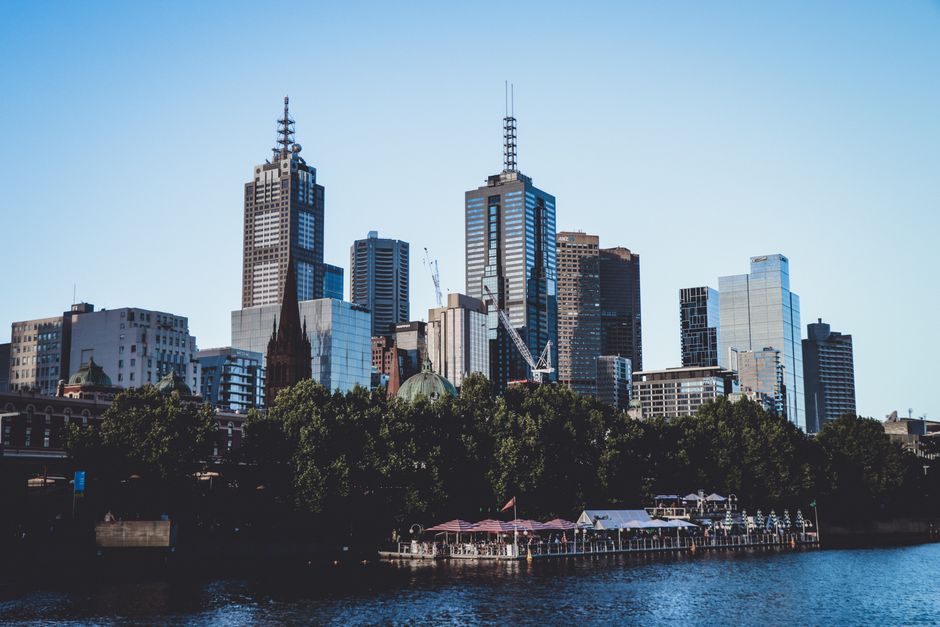
Melbourne's food and drink culture isn't just about where you eat—it's a philosophy. Unlike other cities that announce themselves loudly, this town rewards curious explorers willing to duck down laneways and peer through unmarked doors. For first-time visitors, understanding the unwritten rules will transform your experience from pleasant to unforgettable.
Start with the laneways of the CBD. Hosier Lane, Centre Place, and Block Place have evolved from forgotten passages into thriving food destinations. Bar Americano remains a benchmark for espresso culture, typically operating standing-room only—arrive expecting to elbow your way to the counter and embrace the chaos. These spaces define Melbourne's ethos: quality-focused, unpretentious, and unapologetically packed.
For serious dining, Flinders Lane and the surrounding precinct concentrate some of Australia's most acclaimed establishments. Fine dining typically runs $150–$250 per person for three courses, though many restaurants offer excellent lunch menus at half that price. Mid-range venues—think Lûmé on Flinders Lane or Mary on King Street—deliver exceptional food in less formal settings, usually $60–$100 per head.
Fitzroy and Brunswick offer character-driven alternatives. Smith Street has transformed into a destination strip where independent restaurateurs cluster, creating natural competition that keeps standards high and innovation constant. Expect industrial-chic fit-outs, craft cocktails around $18–$22, and genuine hospitality rather than pretence.
South Yarra and Prahran suit visitors seeking trendy venues with higher energy. Chapel Street delivers fashion-forward restaurants where the scene often matters as much as the food. However, locals know that the best meals happen in quieter pockets—ask staff at your accommodation for current favourites rather than relying on apps.
Essential knowledge: bookings are non-negotiable for dinner at quality restaurants, particularly Thursday through Saturday. Many standout venues operate only lunch or dinner, not both. Tipping is appreciated but not obligatory—10–15% for good service is standard. The coffee culture is serious; locals maintain intense opinions about their neighbourhood roaster.
Timing matters. Dinner typically starts at 6pm, with most restaurants closing kitchens by 10pm. The bar scene extends later, particularly in the CBD, Fitzroy, and South Yarra.
Beyond restaurants, visit the Queen Victoria Market for breakfast or lunch—it captures Melbourne's food culture in its most democratic form. South Melbourne Market offers similar appeal with fewer crowds.
Melbourne's restaurant scene rewards patience and curiosity. Skip the guidebook recommendations when possible; chat with locals, wander unfamiliar streets, and embrace the city's culture of culinary exploration.
This article was compiled by AI from the sources linked above and screened before publishing. See our editorial standards.
About this article
Published by The Daily Melbourne
Daily brief
Free, in your inbox before 7am. Weekdays.
You might also like
Culture
Culture
Culture
Culture
Free daily briefing