Melbourne Street Art Districts: Guide to Top Neighbourhoods
Explore Melbourne's best street art districts from Fitzroy's laneways to Hosier Lane. Discover where to see murals, walking routes, and local artist hotspots.
3 min read
Explore Melbourne's best street art districts from Fitzroy's laneways to Hosier Lane. Discover where to see murals, walking routes, and local artist hotspots.
3 min read
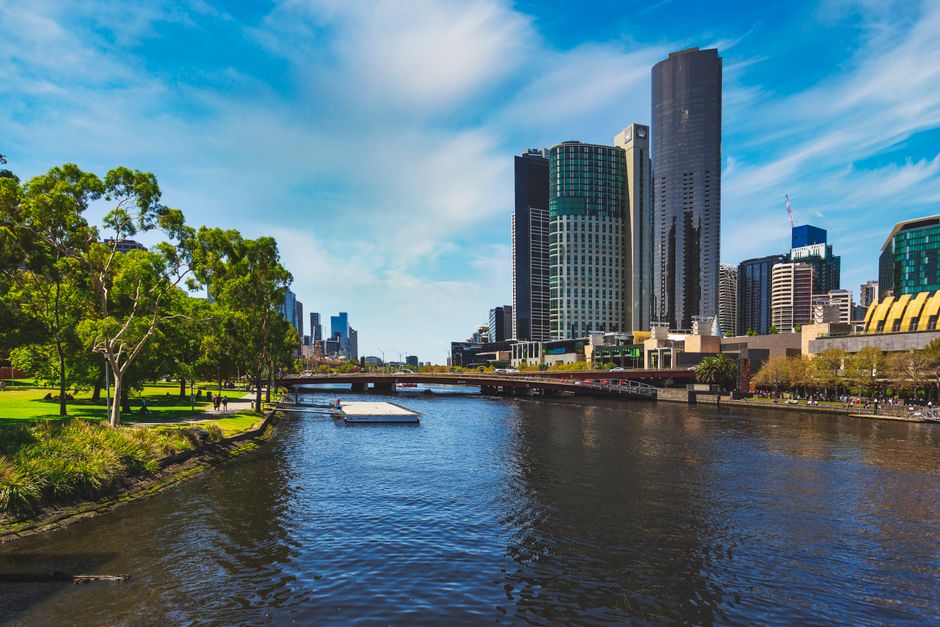
Melbourne's reputation as Australia's street art capital is well-earned, with an estimated 20,000+ murals transforming the urban landscape across dozens of creative neighbourhoods. For visitors planning to explore, understanding the geography and culture of these districts is essential—each has its own character, unwritten rules, and Instagram-worthy moments.
Hosier Lane remains the headline destination. Located between Flinders and Rutledge streets in the CBD, this 190-metre laneway is the city's most curated street art precinct, overseen by the Hosier Lane steering committee since 2012. Expect large-scale, permission-based murals refreshed regularly—it's free to visit and usually packed by mid-morning. The works here tend toward high production values and established artists, making it ideal for first-time visitors seeking iconic Melbourne imagery.
But venture beyond the CBD for authenticity. Fitzroy's collection of alleyways—particularly AC/DC Lane (unofficially), Hosier's artistic sibling—showcases more experimental and politically charged work. Walk through the side streets around Brunswick Street and you'll encounter everything from hyperrealistic portraiture to abstract geometric designs. This neighbourhood pulses with creative energy and independent galleries like Tina Engel and Seventh Gallery, which often feature street artists' formal exhibitions.
Collingwood's Johnston Street precinct has emerged as a major hub, with the laneway network around Smith Street displaying work by both established names and emerging artists. The area has become increasingly organised, with community initiatives supporting muralists and cultural preservation. Several boutique cafes and vintage shops line the streets, making it easy to spend half a day exploring.
For something less polished, Northcote offers raw, evolving work throughout its backstreets and railway underpasses. The area attracts risk-taking artists and frequently changes, so each visit reveals new additions. Similarly, Brunswick's Lygon Street lanes feature politically engaged and community-focused artwork, often tied to the neighbourhood's multicultural heritage.
Key visitor tips: most laneways are free to explore and accessible during daylight hours. Street art tours, run by organisations like Street Art Tours Melbourne, typically cost $45-65 per person and provide context on techniques and artist movements. Photography is encouraged—tagging (adding unauthorised marks) is not, and carries significant fines. Wear comfortable shoes; distances between districts can stretch several kilometres.
Spring and summer are ideal visiting seasons when events like the White Night festival celebrate street culture citywide. Winter rains occasionally fade or cover older pieces, so the landscape is genuinely ever-changing. For serious collectors or those seeking artist collaborations, the biennial Melbourne Street Art Festival (held in October) connects visitors directly with creators.
Melbourne's street art isn't museum-bound—it's alive, contested, and constantly evolving. That's precisely what makes it worth experiencing in person.
This article was compiled by AI from the sources linked above and screened before publishing. See our editorial standards.
About this article
Published by The Daily Melbourne
Daily brief
Free, in your inbox before 7am. Weekdays.
You might also like
Culture
Culture
Culture
Culture
Free daily briefing