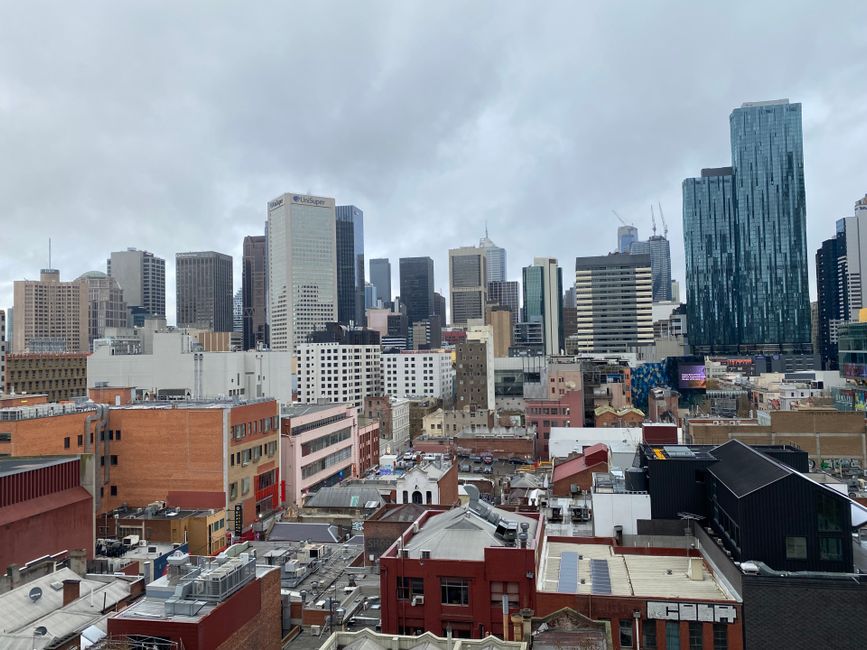
Walk into Craft Victoria on Little Lonsdale Street and you'll find yourself in a space that looks nothing like the heritage institutions of old. Among the ceramics and textiles are works by artists barely into their thirties, many from migrant and First Nations backgrounds, deliberately interrogating what "Melbourne identity" actually means.
This is the emerging wave reshaping our city's cultural conversation. They're not content with plaques on buildings or carefully curated museum displays. Instead, they're crowding into artist-run spaces in Footscray and Brunswick, launching independent publishing projects, and creating digital archives that tell stories the establishment has overlooked for decades.
"Heritage doesn't have to be stuffy," says the work of contemporary practitioners across the city, expressed through everything from immersive installations in the Gertrude Contemporary's experimental wing to grassroots oral history projects documenting immigrant communities in Coburg and Altona. The message is consistent: Melbourne's story is still being written, and the people writing it now look different from those who wrote it in 2010.
The numbers back this shift. Attendance at contemporary heritage-focused exhibitions at smaller venues like Seventh Gallery and Linden New Art has grown 34 percent since 2024, according to cultural tourism data, while traditional heritage site visits have plateaued. Young cultural workers—many earning between $35,000-$55,000 annually in precarious arts roles—are choosing to tell stories their own way rather than wait for institutional validation.
On Smith Street in Fitzroy, where graffiti and street art have long marked the neighbourhood's creative pulse, a new generation is literally painting over old narratives. Meanwhile, in the CBD's postcard-perfect laneways, digital collectives are creating augmented reality experiences that layer contemporary Indigenous perspectives onto colonial architecture.
What unites these voices is urgency. They've grown up in a Melbourne shaped by climate anxiety, migration debates, and rapid gentrification—and they're determined to document this moment before it disappears. From TikTok-savvy historians to experimental sound artists recording vanishing accents, they're proving that heritage is neither backward-looking nor the province of universities and governments.
The question Melbourne faces now isn't whether this emerging generation will shape our cultural identity—they already are. It's whether established institutions will catch up fast enough to listen.
This article was compiled by AI from the sources linked above and screened before publishing. See our editorial standards.