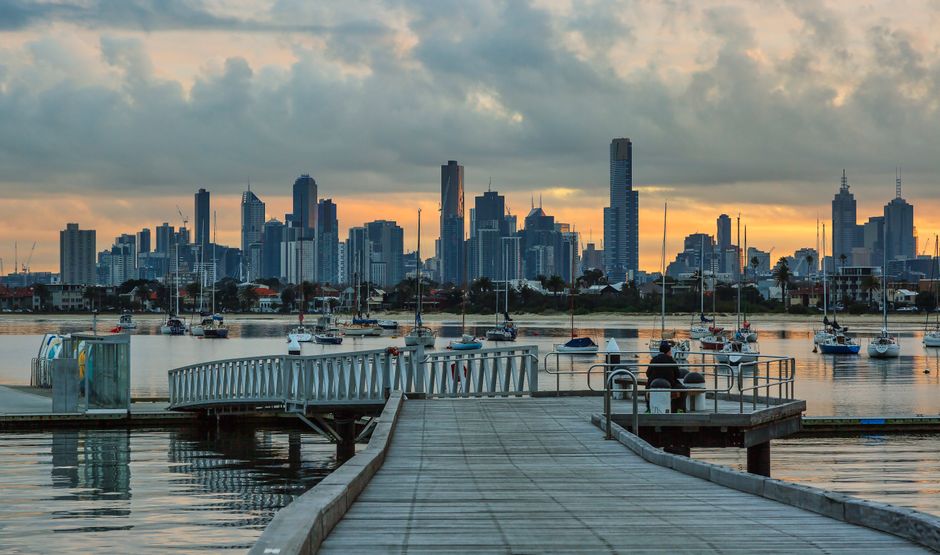
Melbourne's winter event calendar has reached critical mass this week, with the city experiencing a rare convergence of major festivals, artist residencies and community celebrations that has locals scrambling to book tickets and plan weekends.
The Melbourne Winter Festivals collective—a loose network of independent cultural producers across the city—is reporting that attendance figures through June have exceeded expectations by roughly 30 percent compared to last year. Walking through Southbank, Federation Square and the laneways of the CBD reveals the reason why: there's something scheduled almost every night, and the city feels genuinely alive despite the cold.
Attica's winter menu launch at their South Yarra location has drawn culinary pilgrims from interstate, with reservations booked out weeks in advance. Meanwhile, smaller venues across Brunswick and Fitzroy are hosting emerging artist collectives, experimental theatre productions and live music nights that have created a genuine grassroots energy beyond the major institutions.
What's particularly notable is how the activation has spread beyond traditional cultural hubs. The Collingwood Children's Farm is running a winter markets program that's become a Sunday institution for families, while Dandenong Market has extended its night trading to capitalise on the festival momentum. Even Princes Park in Carlton has hosted outdoor projection events that have surprised locals with their scale and ambition.
Organisers point to several converging factors: the success of Melbourne's earlier autumn programming created momentum heading into winter; the city has deliberately staggered events to avoid the oversaturation problems of previous years; and there's genuine community appetite for shared experiences after the disruptions of recent years.
Ticket prices vary wildly—grassroots theatre productions in backstreet venues hover around $25-30, while flagship events at Southbank's theatres range from $60-120. Street festivals and markets remain free or donation-based, making cultural participation accessible across income levels.
Transport infrastructure has been tested by the crowds, with peak times on the 86 tram and through Flinders Street Station noticeably busier than typical June evenings. The City of Melbourne has quietly increased street cleaning and public amenities in high-activity zones.
For those trying to navigate the calendar: booking ahead is essential for headline events, but the real magic seems to be happening in the unscheduled moments—the laneway conversations, the accidental discoveries, the sense that Melbourne's cultural infrastructure is genuinely humming. Winter, it turns out, might finally be Melbourne's second season.
This article was compiled by AI from the sources linked above and screened before publishing. See our editorial standards.