Winter's Cultural Peak: Why Melbourne Won't Stop Talking About This Week's Festival Calendar
As the city's flagship winter events hit their stride, locals are spoilt for choice—and venues across the CBD are feeling the buzz.
3 min read
As the city's flagship winter events hit their stride, locals are spoilt for choice—and venues across the CBD are feeling the buzz.
3 min read
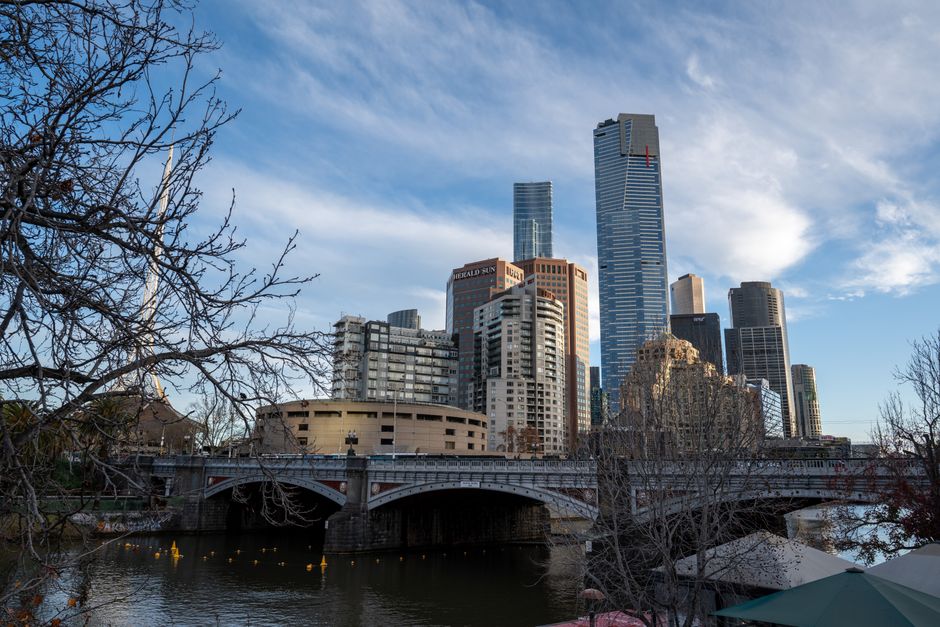
There's a particular energy crackling through Melbourne's laneways this week, and it's not just the winter chill. June has always been the city's cultural sweet spot, but 2026 is shaping up as something special: multiple major festivals are running simultaneously, drawing record crowds and keeping locals debating which events deserve their finite time and money.
The Melbourne International Comedy Festival, now in its fourth week, continues to pack venues from Athenaeum Hall on Collins Street to the Athenaeum Theatre itself, with more than 800 shows across the city. Box office data suggests this year's festival is tracking 8 percent ahead of last year's attendance, with international acts driving much of the conversation on social media. Local stand-ups are also enjoying unprecedented visibility, with several Melbourne-based comedians selling out return seasons at smaller venues in Fitzroy and Brunswick.
Simultaneously, the Australian International Documentary Film Festival has taken over screening rooms at ACMI on Flinders Street and independent cinemas like Kino Cinemas in the CBD. The festival's programming—spanning everything from intimate human-interest stories to geopolitical investigations—has struck a particular chord with audiences seeking respite from headline-heavy news cycles.
Meanwhile, smaller neighborhood events are creating their own momentum. The Collingwood Children's Festival, which wrapped last weekend, left parents and educators discussing how to maintain that sense of wonder and creative play year-round. And this Friday, the Williamstown Jazz Festival kicks off at waterfront venues along The Strand, with early bird tickets already 60 percent sold.
What's driving the conversation, locals say, is the sheer density of choice. Unlike previous years when events were staggered, this winter compression means the city feels genuinely alive in a way that summer festivals—spread across December and January—often don't achieve. Coffee shop chatter from South Yarra to Sunshine revolves around which show to catch, which film to prioritize, which neighborhood festival offers the best combination of cultural substance and community spirit.
The economic impact is tangible too. Hospitality venues report 25 percent more foot traffic during festival weeks, with restaurants along Brunswick Street and Lygon Street particularly benefiting from pre-show and post-event crowds. Hotels across the city center report occupancy rates in the low 80s—strong for a traditionally slower winter period.
For Melbourne's cultural institutions, this convergence represents validation of a long-held argument: that the city's festival infrastructure, when properly utilized, can sustain visitor interest and community engagement well beyond the traditional summer season. The question now is whether 2026's winter peak becomes the template for future years, or remains a delightful anomaly.
This article was compiled by AI from the sources linked above and screened before publishing. See our editorial standards.
About this article
Published by The Daily Melbourne
Daily brief
Free, in your inbox before 7am. Weekdays.
You might also like
Culture
Culture
Culture
Culture
Free daily briefing