Melbourne's Live Music Venues Are Becoming the Soul of the City's Creative Identity
From laneway bars to mid-sized theatres, the city's thriving concert circuit is reshaping how locals define what it means to be Melbourne.
3 min read
From laneway bars to mid-sized theatres, the city's thriving concert circuit is reshaping how locals define what it means to be Melbourne.
3 min read
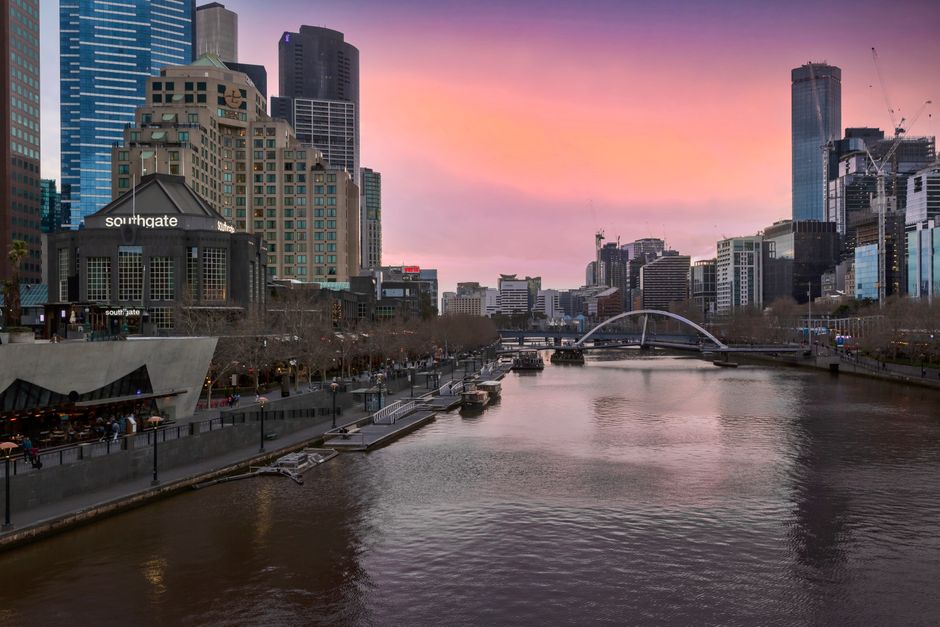
Walk down Hosier Lane on a Friday night and you'll hear it before you see it—the low thrum of bass bleeding through brick walls, voices raised in anticipation, the unmistakable hum of a city at play. This is Melbourne at its most authentic, and it's increasingly clear that live music venues aren't just where entertainment happens here; they're the physical manifestation of Melbourne's identity itself.
The economics tell part of the story. According to research from Live Performance Australia, Victoria's live music sector contributes roughly $1.2 billion annually to the state economy, with inner-Melbourne venues punching well above their weight. But the real measure isn't in spreadsheets—it's in how the city's creative DNA has become inseparable from its concert culture.
Consider the geography of it all. The iconic live circuit spans from Fitzroy's dense cluster of mid-sized venues like Bar Americano and Corner Hotel, through Brunswick's gritty pub stages, to the sprawling industrial spaces of Collingwood and Abbotsford. Each neighbourhood has developed its own acoustic fingerprint, its own reputation. Footscray's Ding Dong and West End venues attract DIY collectives and experimental acts. South Yarra's Cherry Bar remains a breeding ground for punk and indie sensibilities. These aren't interchangeable venues—they're geographic anchors of distinct creative communities.
What's particularly striking is how this ecosystem has become self-reinforcing. Musicians move to Melbourne specifically because of the venue density and audience sophistication. Promoters invest in the city because they know there's an educated crowd ready to take risks on emerging artists. Audiences treat live music not as a weekend luxury but as a lifestyle necessity—ticket prices averaging $25-40 for local acts at mid-sized venues remain accessible for regular attendance, creating genuine community around artists and spaces.
The pandemic threatened to upend this delicate balance, but Melbourne's live circuit fought back with remarkable resilience. Venues adapted, audiences returned, and the city's reputation as a live music destination only strengthened. Today's 20-year-old moving to Melbourne often does so with a mental map of which venues match which sonic preferences—proof that the city's cultural identity has become coded into its music infrastructure.
As global cities increasingly struggle to maintain distinctive character in the face of homogenisation, Melbourne's thriving live music ecosystem represents something increasingly rare: a genuine, organic cultural identity shaped by geography, community, and decades of accumulated creative capital. It's not a manufactured brand. It's the sound of a city defining itself, one performance at a time.
This article was compiled by AI from the sources linked above and screened before publishing. See our editorial standards.
About this article
Published by The Daily Melbourne
Daily brief
Free, in your inbox before 7am. Weekdays.
You might also like
Culture
Culture
Culture
Culture
Free daily briefing