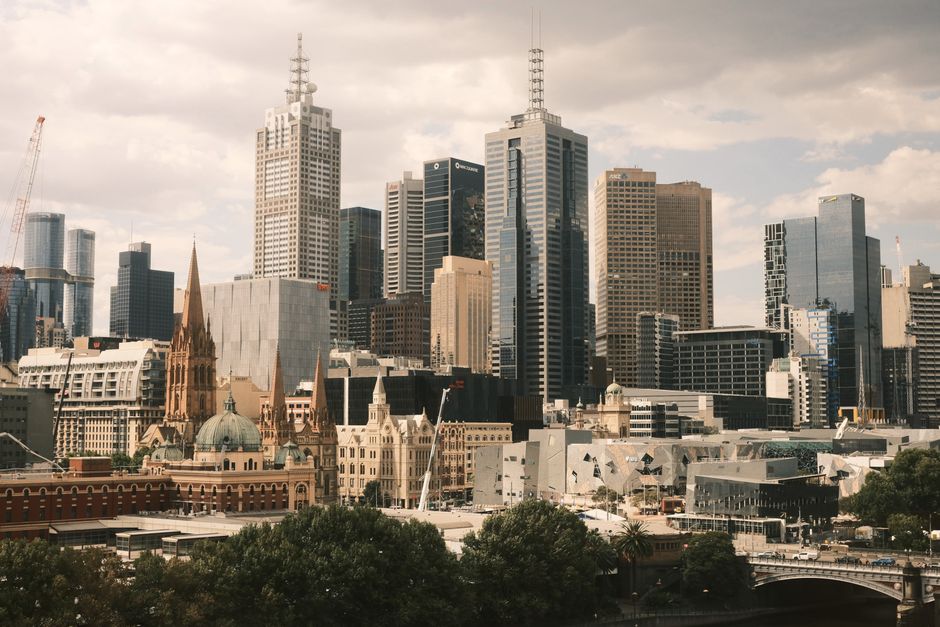
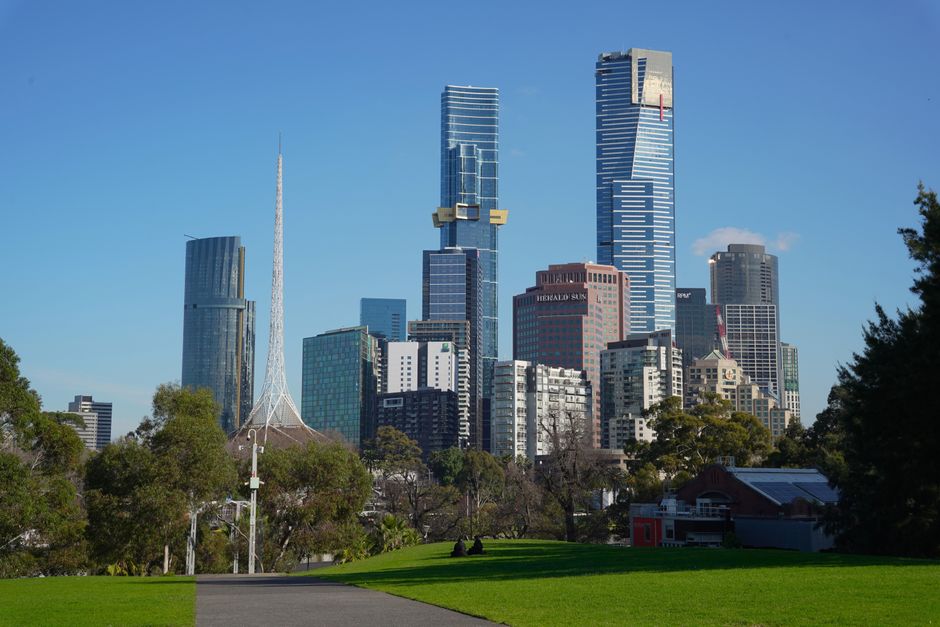
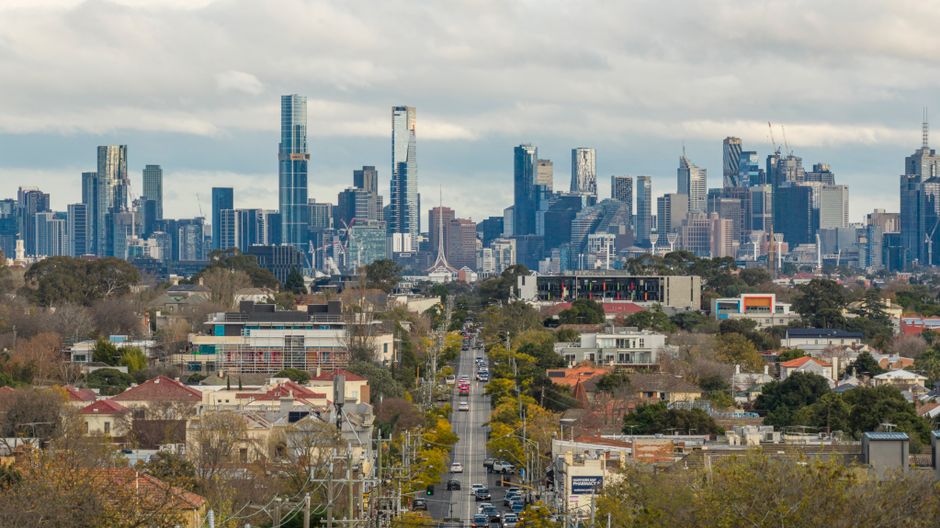
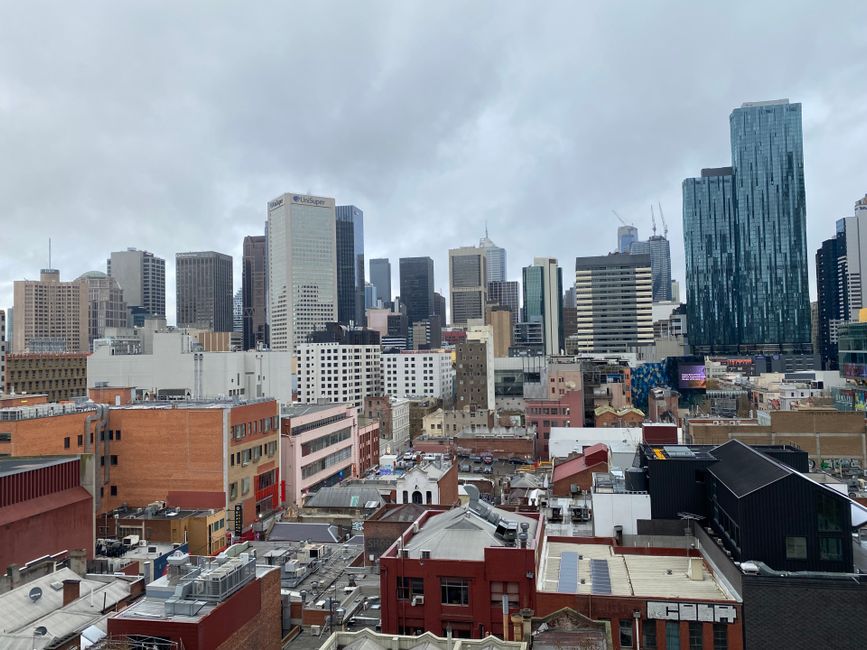
Walk down Brunswick Street on any Saturday afternoon and you'll see the Fitzroy that tourists come for: laneway art, vintage shops, craft cocktails, and the kind of carefully curated bohemia that property developers now charge $800,000 for a one-bedroom apartment to access. But few visitors know the story of the people who actually built this scene from nothing.
The transformation didn't happen because of city planners or cultural boards. It happened because Fitzroy was cheap, neglected, and full of abandoned Victorian warehouses that nobody wanted—until a generation of artists, musicians, and cultural misfits arrived with spray cans and dreams. "In the early 80s, you could rent a studio for $50 a week," recalls the Melbourne Museum's heritage collection, which now documents this era through its "Subculture to Streetscape" exhibition launching this September.
The Scott Carbines, a punk band that rehearsed in a Brunswick Street basement, became the backbone of the live music scene. Young Theatre Group transformed a derelict Gertrude Street warehouse into an experimental performance space. Street Press, the independent music zine born in Fitzroy's share houses, became the cultural newspaper that defined an entire generation's taste. These weren't trained cultural administrators—they were working-class kids and migrants' children who refused to accept that Melbourne's creative life should be dictated by establishment institutions.
What made Fitzroy different from other gentrified creative quarters globally was the deliberate resistance to commercialisation. When property values began climbing in the late 1990s, many of the original artists and venue operators fought to maintain affordability and community control. The Abbotsford Convent—a 170-year-old former Catholic institution—became a case study: rather than allow redevelopment, community activists secured it as a non-profit cultural space in 2001, protecting it from becoming luxury apartments.
Today, as Melbourne's cultural economy contributes $37 billion annually to Victoria's GDP, understanding Fitzroy's grassroots origins matters more than ever. The neighbourhood proves that creative scenes aren't manufactured by government investment or corporate sponsorship—they emerge when communities are given space (literally and economically) to experiment.
The irony isn't lost on anyone who's watched Fitzroy's rents triple in two decades. The people who built the scene are increasingly priced out. But their legacy—that culture belongs to everyone, that creativity thrives in constraints, that Melbourne's identity comes from its margins—remains embedded in the red-brick streets they transformed.
This article was compiled by AI from the sources linked above and screened before publishing. See our editorial standards.
About this article
Published by The Daily Melbourne
This article was produced by the The Daily Melbourne editorial desk and covers culture in Melbourne. See our editorial standards for how we use AI.
See something wrong? Suggest a correction.
Daily brief
Enjoyed this? Wake up to Melbourne news every morning.
Free, in your inbox before 7am. Weekdays.