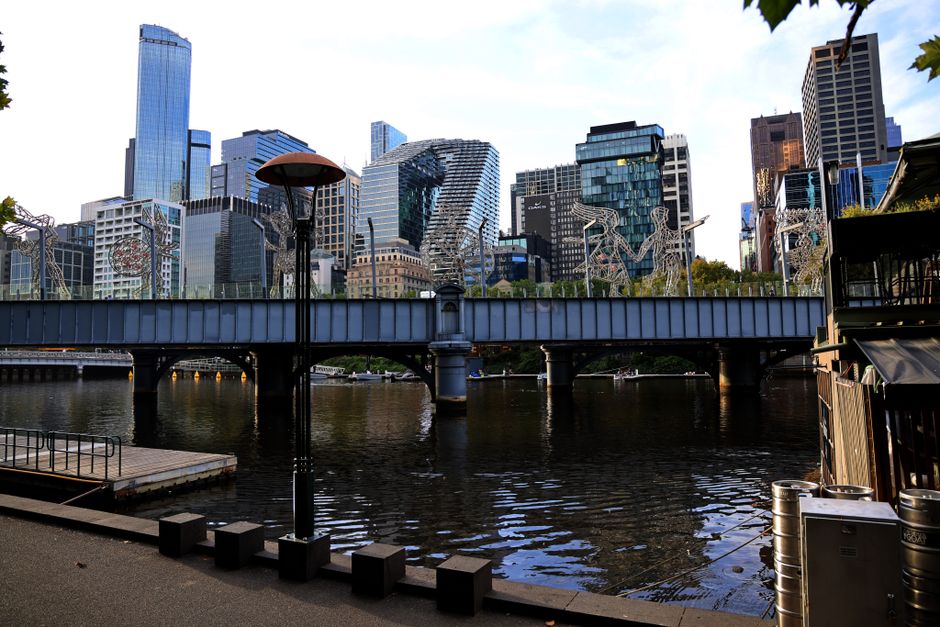
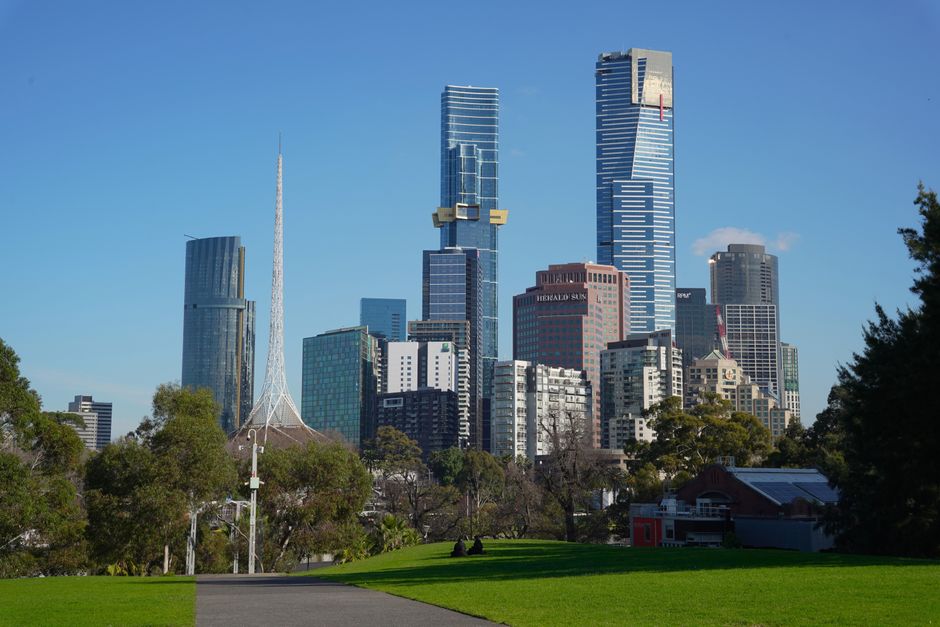
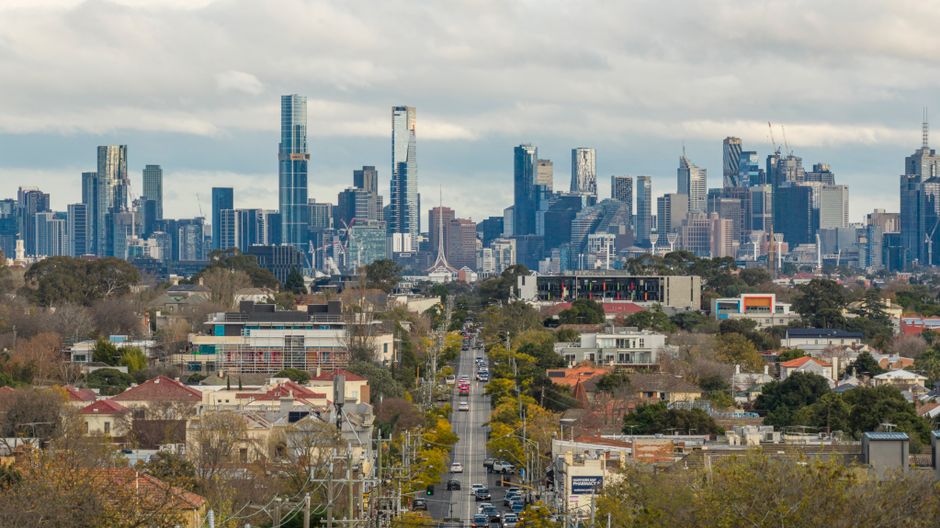
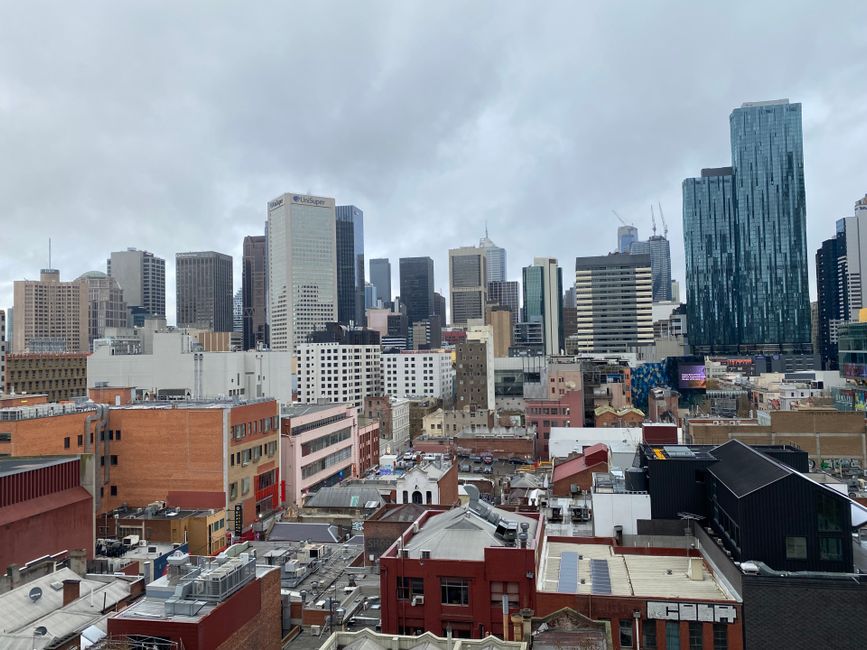
Twenty-five years ago, Melbourne's festival culture didn't exist in any formal sense. There were no glossy brochures, no corporate sponsors, no dedicated festival precincts. Instead, there were laneway parties—DIY gatherings in the spaces between Hosier Lane and Rutledge Lane in the CBD, where artists, musicians and creative misfits transformed forgotten corners into temporary galleries and concert venues.
Today, that underground ethos has matured into something far more ambitious. The city now hosts over 100 major festivals annually, generating an estimated $2.3 billion in economic activity and positioning Melbourne as one of the Southern Hemisphere's premier cultural destinations. The evolution tells a distinctly Melbourne story: scrappy beginnings, genuine creativity, and an institutional willingness to let culture lead urban planning.
The turning point came in the late 1990s when the City of Melbourne recognised that arts and culture could be both authentic and economically valuable. The White Night festival, launched in 2005, crystallised this shift—an all-night cultural celebration that drew 300,000 people in its inaugural year and has since grown to 800,000+. Suddenly, staying up all night in the CBD became aspirational rather than transgressive.
From there, the calendar exploded. Melbourne International Comedy Festival (March) now runs for three weeks across 70+ venues. The Melbourne International Film Festival (August) screens over 300 films. Winter Festivals transformed the Queen Vic Market precinct into a seasonal destination. Melbourne Music Week, the Fringe Festival, and MIFF's sister festival VAMFF (Victoria's fashion showcase) stitched together a cultural narrative that runs virtually year-round.
What distinguishes Melbourne's approach is structural diversity. Unlike cities dominated by one or two marquee events, Melbourne's ecosystem includes street-level festivals (Laneway Festival), neighbourhood celebrations (St Kilda Festival), youth-focused programming (Next Wave), and experimental work spaces like Fortyfivedownstairs in Flinders Lane. This prevents cultural monoculture while maintaining critical mass.
The COVID-19 disruptions of 2020-2021 briefly threatened this momentum, but organisers adapted. Virtual events, outdoor programming, and scaled-down formats kept momentum alive. By 2024, festivals were running at near-capacity again, suggesting that Melbourne's festival identity had become genuinely embedded in the city's DNA.
Today's challenge is balancing growth with authenticity. Ticketing inflation, venue gentrification, and corporate sponsorship have necessarily changed the grassroots spirit of those early laneway parties. Yet Melbourne's festival calendar remains unusually artist-driven and community-focused—a living archive of how a city's underground culture can evolve into its defining characteristic without losing its soul.
This article was compiled by AI from the sources linked above and screened before publishing. See our editorial standards.