In the mid-1990s, Melbourne's festival culture barely existed. The city had its racing calendar and the occasional outdoor concert, but nothing that suggested the explosive creative energy that would come to define it. Then came the laneways.
The transformation started modestly in the narrow passages between Brunswick Street and Smith Street in Fitzroy. Local artists, musicians and entrepreneurs began staging guerrilla events—unauthorised performances, pop-up galleries, impromptu street parties. These weren't sanctioned by the city council. They were acts of cultural rebellion by a generation convinced Melbourne was sleepy and overlooked.
By 2000, something had shifted. The city's leadership recognised what was happening in those laneways and, rather than shut it down, they leaned in. The first official Fringe Festival launched in 1996, but it was the mid-2000s when Melbourne's festival ecosystem truly exploded. White Night (debuting in 2011) transformed the CBD into an all-night art gallery. By 2015, it attracted 1.3 million visitors annually. The Melbourne International Comedy Festival, now running since 1987, had become the world's second-largest comedy festival by attendance.
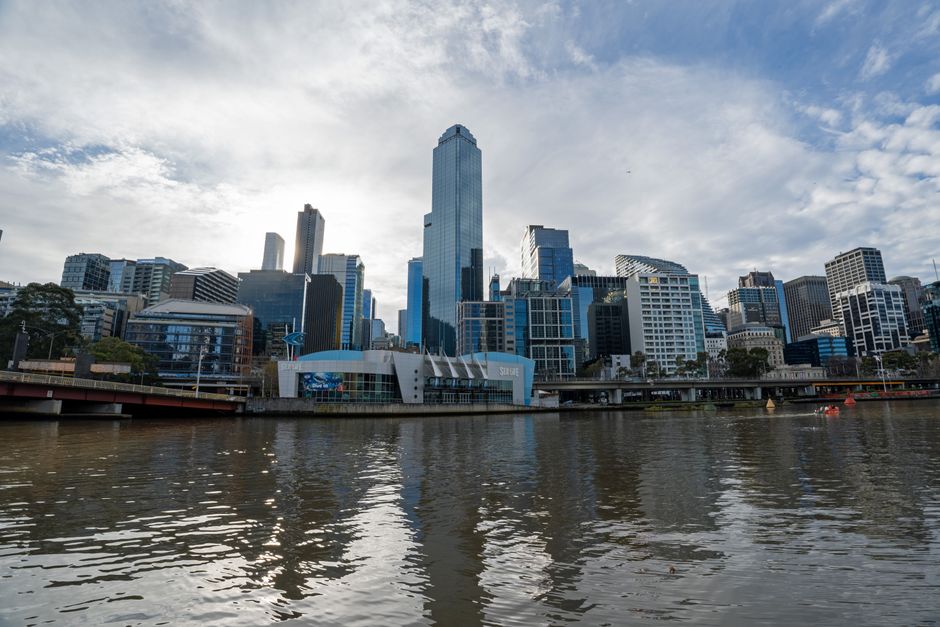
What makes this evolution distinctive is the geographical democratisation of the city itself. Where festivals were once concentrated in the CBD and inner suburbs, they now sprawl across multiple precincts. The Southbank Precinct hosts major events at the Arts Centre and around the Yarra. The Melbourne Festival has anchored autumn programming since 1986. Smaller neighbourhoods—Collingwood, Abbotsford, even outer suburbs like Coburg—now host their own established events.
The economic impact has been staggering. Pre-pandemic data from the Victorian Government suggested Melbourne's festivals and events sector contributed approximately $2.3 billion annually to the state economy. More than 230 festivals now operate across greater Melbourne, drawing an estimated 15 million attendees each year. What was once countercultural has become crucial infrastructure.
Today's festival calendar is unrecognisable from the 1990s. You can attend the Melbourne Food and Wine Festival each March, the winter Fringe, the Queer Film Festival, MIFF in August, and dozens of niche events targeting everything from architecture enthusiasts to electronic music devotees. Tickets range from free laneway performances to premium events exceeding $150.
The laneways remain central to this identity. Hosier Lane, ACDC Lane, and the surrounding passages still host art and spontaneous performances. But they're now carefully curated, council-approved, and globally famous—a strange victory for the rebels who started it all.
This article was compiled by AI from the sources linked above and screened before publishing. See our editorial standards.