Threads of Identity: How Fashion Design is Redefining Melbourne's Creative Soul
From laneways to global runways, the city's designers are cementing Melbourne's reputation as a creative powerhouse that refuses to follow trends.
3 min read
From laneways to global runways, the city's designers are cementing Melbourne's reputation as a creative powerhouse that refuses to follow trends.
3 min read
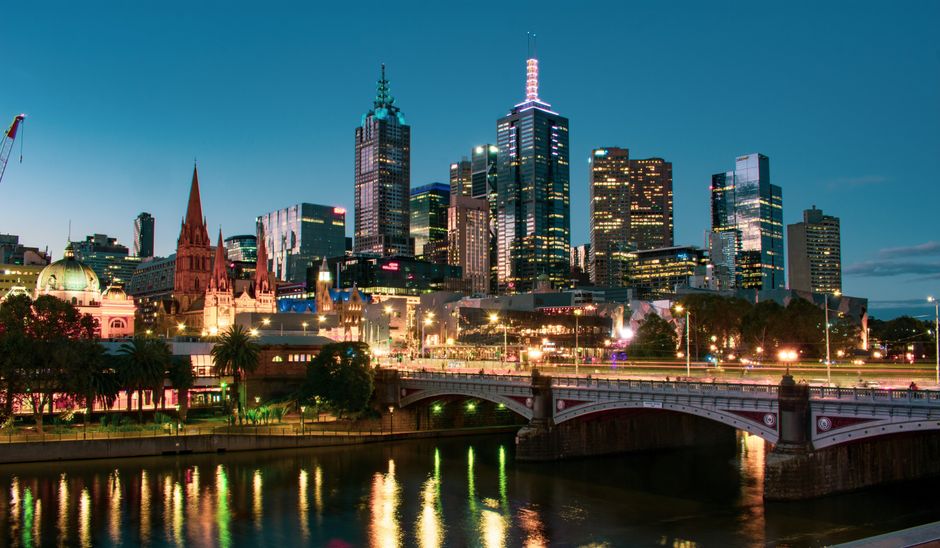
Walk down Hosier Lane on any given afternoon and you'll witness Melbourne's creative identity in real time: street artists layering murals over gallery windows, vintage fashion boutiques squeezed between craft coffee roasters, and young designers working from converted warehouse studios. This is the visual language of a city that has quietly become Australia's undisputed fashion capital.
The numbers tell a compelling story. Melbourne's creative industries contribute over $27 billion annually to the Victorian economy, with fashion and design accounting for a significant portion. The city hosts over 850 fashion-related businesses, from independent designers to established houses, many clustered in inner suburbs like Fitzroy, Brunswick, and Collingwood—neighbourhoods that have transformed from industrial wastelands into creative hubs.
What sets Melbourne apart isn't just production capacity; it's a particular aesthetic philosophy. Local designers have cultivated a reputation for architectural precision, experimental textiles, and a willingness to challenge commercial orthodoxy. This sensibility permeates the city's identity. When international media describes Melbourne's creative culture, they're increasingly referencing fashion and design as defining characteristics, placing the city alongside London and Tokyo in conversations about innovation and cultural relevance.
The infrastructure supporting this ecosystem has matured considerably. The Fashion Hub in Collingwood provides subsidised studio space for emerging designers. The Textile Arts Center in Brunswick operates as both creative workspace and community education hub. Meanwhile, venues like The Gantry in Southbank host monthly showcases where designers present collections to buyers, press, and enthusiasts—fostering a community-driven approach to industry development that feels distinctly Melbourne.
Education plays a crucial role. RMIT and Monash University's design programs consistently rank among Asia-Pacific's finest, generating a talent pipeline that keeps the city energised. Many graduates choose to stay, establishing their own labels rather than chasing overseas opportunities—a retention rate that strengthens local creative capacity year after year.
What's particularly notable is how fashion design has become interwoven with Melbourne's broader cultural narrative. It's no longer a separate industry but a defining characteristic of how the city presents itself globally. The annual Melbourne Fashion Festival attracts international buyers and media, but more importantly, it reinforces locally what fashion means here: not trend-chasing, but cultural expression; not fast production, but considered craftsmanship.
As the city continues evolving, fashion design remains at the intersection of tradition and innovation—much like Melbourne itself. The laneways continue to evolve, new studios open monthly, and young creatives keep arriving, drawn by the city's creative energy. In this ecosystem, fashion isn't just what people wear; it's how Melbourne defines itself.
This article was compiled by AI from the sources linked above and screened before publishing. See our editorial standards.
About this article
Published by The Daily Melbourne
Daily brief
Free, in your inbox before 7am. Weekdays.
You might also like
Culture
Culture
Culture
Culture
Free daily briefing