Melbourne's Heritage Wars: Why a Footscray Icon Just Became a Flashpoint
As developers circle historic working-class neighbourhoods, locals are fighting to preserve the buildings and stories that shaped modern Melbourne.
3 min read
As developers circle historic working-class neighbourhoods, locals are fighting to preserve the buildings and stories that shaped modern Melbourne.
3 min read
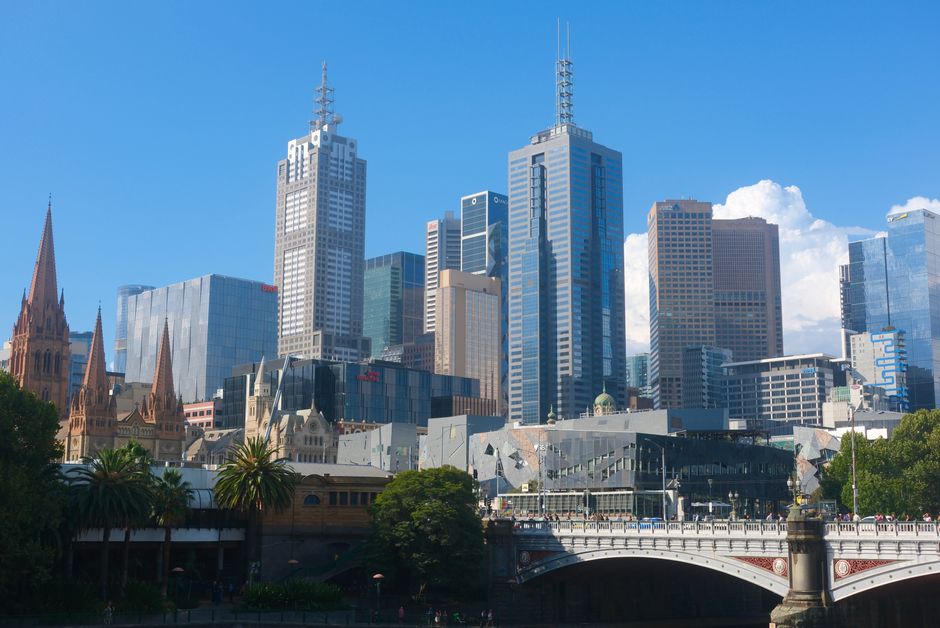
The heritage debate that has simmered across Melbourne for years just reached a boiling point. Last month, council planning committees flagged concerns about a proposed mixed-use development on Hopkins Street in Footscray—a precinct that preserves some of the city's most significant industrial architecture. The proposal has reignited fierce discussions about what gets saved, who decides, and whether Melbourne's working-class identity survives the next decade of growth.
Footscray, like suburbs across the western and northern inner ring, sits at the intersection of Melbourne's past and its future. The neighbourhood's Victorian-era warehouses, bluestone laneways, and early twentieth-century worker housing form the physical backbone of stories about manufacturing, migration, and community resilience. Yet property values in inner-ring suburbs have surged nearly 60 percent since 2020, creating intense pressure to demolish heritage structures for higher-density residential projects.
The tension reflects a broader question: does heritage protection protect genuine cultural identity, or does it sometimes freeze communities in aspiration rather than allowing them to evolve? Heritage Victoria's latest report noted that almost 40 percent of heritage-listed sites in working-class suburbs lack adequate funding for maintenance, creating a paradox where protection and neglect coexist.
Community groups like the Footscray History Society and the Western Region Alliance have mobilized, but they're operating with limited resources against well-funded development proposals. The City of Maribyrnong has committed to reviewing its heritage planning framework, but revisions won't be completed until mid-2027—meaning projects continue in a grey zone where cultural significance and commercial viability compete uneasily.
What makes this moment distinctly Melbourne is the urgency felt across multiple neighbourhoods simultaneously. Brunswick, Collingwood, Northcote, and Coburg are all experiencing similar pressures. Local historians and architects argue the city risks losing the material evidence of how ordinary Melburnians actually lived—the terraces, the corner shops, the lane-ways that defined community.
Yet it's not simply preservation versus progress. Some locals recognize that heritage-listed buildings can anchor new development respectfully. The successful revitalization of Gertrude Street in Fitzroy demonstrates adaptive reuse working at scale. The question now is whether that model can extend westward, and whether community input shapes these conversations before developers have already committed capital.
Melbourne's identity was built by people adapting, building, and reinventing. The current heritage debate suggests locals want to remember that legacy—not freeze it, but ensure it remains visible and valued as the city transforms.
This article was compiled by AI from the sources linked above and screened before publishing. See our editorial standards.
About this article
Published by The Daily Melbourne
Daily brief
Free, in your inbox before 7am. Weekdays.
You might also like
Culture
Culture
Culture
Culture
Free daily briefing