First-Time Visitor's Guide to Melbourne's Film, Theatre and Performing Arts Scene
From laneway cinemas to world-class theatre companies, here's what you need to know to navigate one of Australia's most vibrant cultural capitals.
3 min read
From laneway cinemas to world-class theatre companies, here's what you need to know to navigate one of Australia's most vibrant cultural capitals.
3 min read
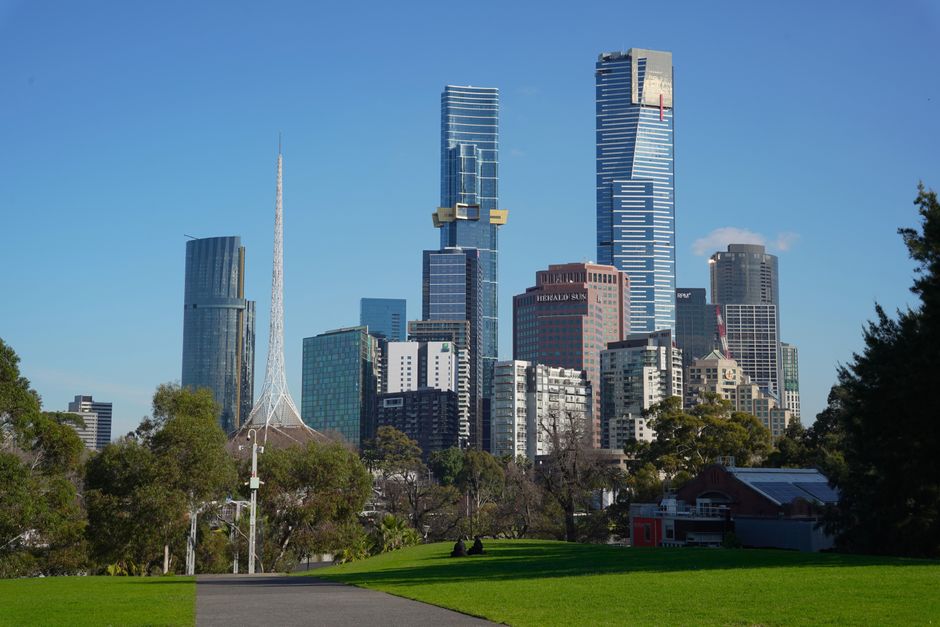
Melbourne's performing arts ecosystem rivals any global city, but navigating it requires insider knowledge. Whether you're after avant-garde theatre, independent cinema or cutting-edge dance, the city's cultural offerings sprawl across distinctive neighbourhoods—each with its own character and speciality.
Start in the CBD's cultural precinct around St Kilda Road, home to the State Theatre Company Victoria and Melbourne Theatre Company at the Southbank Theatre complex. These anchor institutions present everything from Shakespeare to contemporary Australian work. Ticket prices typically range from $40 to $100 depending on the production. The precinct also houses the Arts Centre Melbourne, an iconic performing venue hosting international touring productions alongside local talent.
For cinema lovers, head to the independent screens scattered throughout the inner suburbs. ACMI (Australian Centre for the Moving Image) on Flinders Street offers free entry to its gallery spaces, while ticketed screenings focus on documentary and experimental work. In Fitzroy, the Astor Theatre on Chapel Street remains a beloved arthouse cinema since 1936, programming classic films and contemporary releases across its red-velvet auditoriums.
Melbourne's laneway culture extends to performance spaces. Tiny underground venues tucked into laneways between Flinders and Collins Streets host emerging theatre companies and experimental work. The Malthouse Theatre in Southbank is particularly worth tracking—it champions new Australian writing and often features work that later tours internationally.
Don't overlook neighbourhood gems: La Mama in Carlton has launched countless careers since 1956, operating on a pay-what-you-can-afford model that keeps theatre accessible. The Beckett in Fitzroy focuses on contemporary performance and installation art.
Timing matters. Melbourne's winter months (June-August) see a surge in theatre productions, while the summer outdoor festival season brings performances to parks and beer gardens. The Melbourne Fringe Festival (September-October) transforms the city, with over 500 shows across hundreds of venues.
Book ahead for major productions—theatre here sells out quickly. Most venues offer concession pricing for students and seniors (typically 15-20% discount). Many theatres cluster around Southbank, making it possible to eat and catch multiple shows in an evening.
The city's cultural institutions punch above their weight because they're genuinely integrated into daily life. You'll find working artists in the cafes, theatre rehearsals spilling onto laneways, and a community that takes its stories seriously. That's what distinguishes Melbourne's scene: it's not a tourist attraction grafted onto the city—it's woven into the fabric of how Melburnians spend their time.
This article was compiled by AI from the sources linked above and screened before publishing. See our editorial standards.
About this article
Published by The Daily Melbourne
Daily brief
Free, in your inbox before 7am. Weekdays.
You might also like
Culture
Culture
Culture
Culture
Free daily briefing