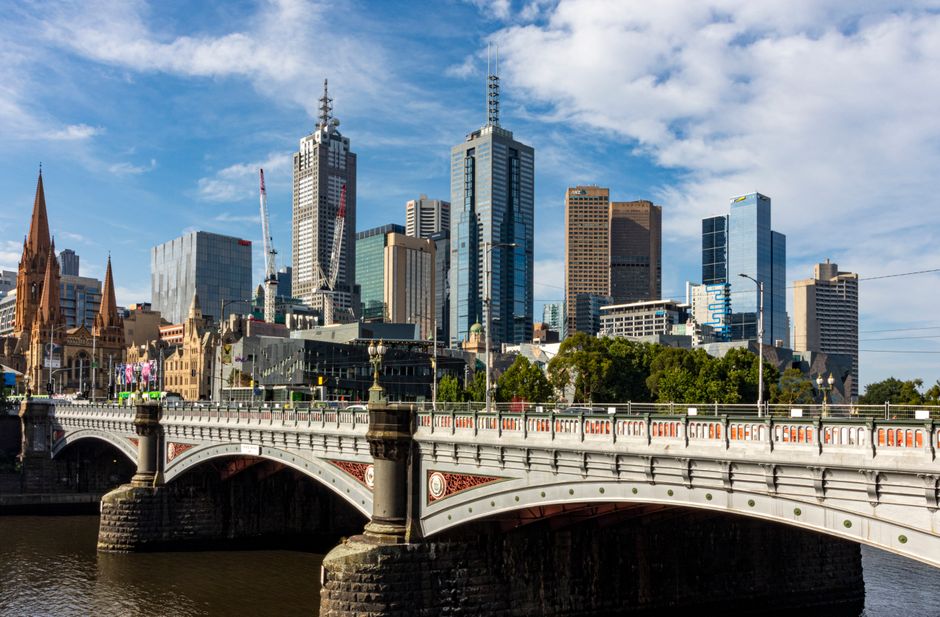
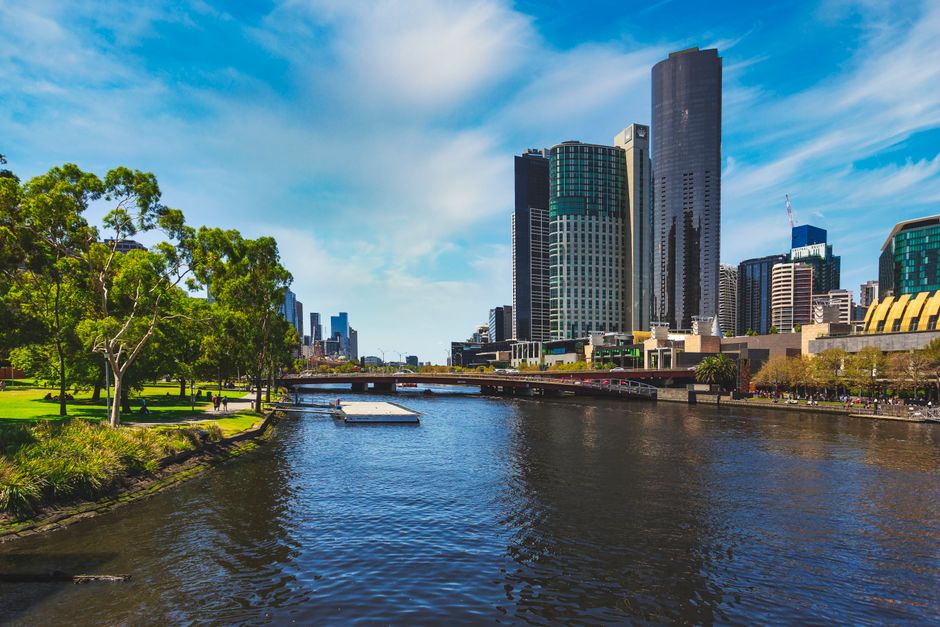
Melbourne is Australia's second-largest employment market with approximately 2.3 million employed people, with a more diverse industry base than Sydney: the professional services sector (law, accounting, engineering), the healthcare sector, the education sector (five sandstone and research universities), the retail and hospitality sector, and a significant manufacturing and logistics sector in the western suburbs and the port corridor all contribute to Melbourne's employment breadth.
Professional services — Melbourne's CBD houses the national or state headquarters of the major accounting firms (Deloitte, PwC, KPMG, EY, Grant Thornton), law firms (Herbert Smith Freehills, MinterEllison, Allens), and management consulting firms (McKinsey, BCG, Bain, Accenture). Salaries for senior professionals are somewhat below Sydney equivalents but the cost of living differential means purchasing power is comparable. Graduate starting salaries at the major professional services firms are $65,000 to $85,000.
Technology — Melbourne's tech sector is growing strongly, anchored by REA Group, SEEK, Carsales, and the major global tech company offices (Google, Atlassian, AWS, Salesforce). The Richmond-Cremorne precinct has developed as Melbourne's informal tech hub. Software engineering, data science, and product management are areas of strong demand and salary growth, with experienced engineers at growth-stage tech companies earning $150,000 to $220,000+.
Healthcare and education — the Alfred Hospital, Melbourne Hospital, and the major university hospital complexes (Monash, Austin, St Vincent's) provide the healthcare employment anchor. The University of Melbourne, Monash University, RMIT, and La Trobe University collectively employ 40,000+ academic and professional staff and generate significant knowledge economy employment in the university precinct areas.
Manufacturing and logistics — the Port of Melbourne, the western suburbs industrial corridor, and the Dandenong manufacturing zone provide blue-collar employment that is less present in Sydney or Brisbane. Logistics, warehousing, food processing, and manufacturing trades support a significant portion of Melbourne's working-class employment base.
This article was compiled by AI and screened before publishing. See our editorial standards.