Your practical guide to Melbourne's parks and green spaces—and how to make the most of them this season
From the Dandenongs to the Yarra, here's how to unlock the outdoor living that makes this city special.
3 min read
From the Dandenongs to the Yarra, here's how to unlock the outdoor living that makes this city special.
3 min read
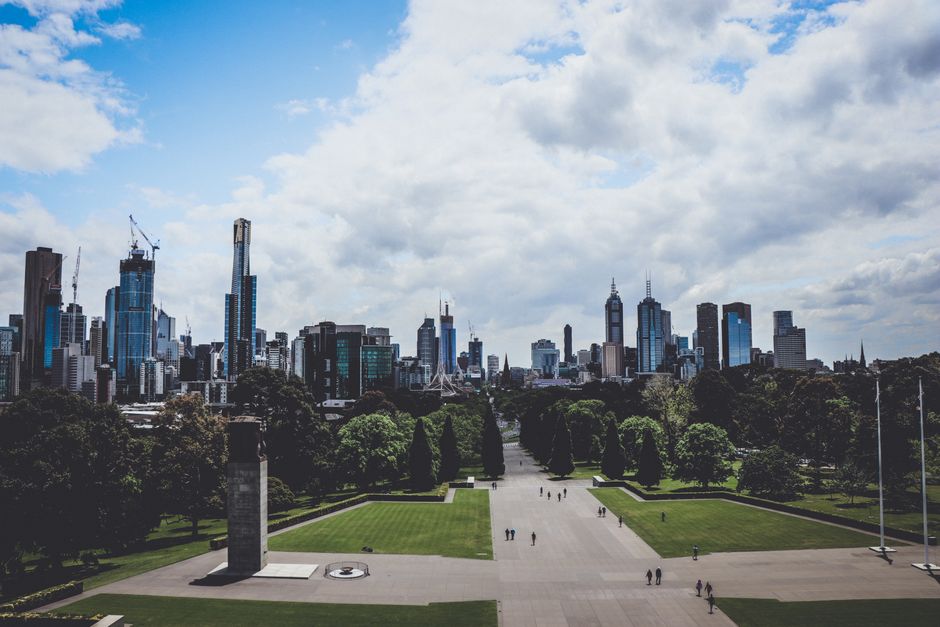
Melbourne's reputation for laneways and coffee culture often overshadows what might be its greatest asset: over 10,000 hectares of parkland woven through the metropolitan area. But knowing where to go and how to spend your time there is another matter entirely.
Start close to home. The Yarra River precinct remains one of the most accessible escapes for daily outdoor living. The Main Yarra Trail runs nearly 40 kilometres from Hawthorn to the bay, but you don't need to commit to the whole stretch. A weekend walk from the Burnley Gardens through Richmond and onto the Fairfield Park section takes roughly 90 minutes and costs nothing. Picnic grounds are dotted throughout, with facilities at Studley Park Boathouse in Kew and the riverside reserves near Southbank.
For structured activity, consider the Royal Botanic Gardens. At just $15 for an adult entry, it's affordable urban respite—over 38 hectares of curated landscape that keeps changing with the seasons. July through September brings winter plantings; plan accordingly.
Beyond the immediate CBD, the Dandenong Ranges deliver proper forest immersion. Sherbrooke Falls near Kallista requires a 4.5-kilometre return walk and remains reliably cool even during hot months. The nearby town of Olinda hosts weekend farmers markets and excellent cafés, making a half-day excursion feel complete.
For something between inner city and regional, Fitzroy Gardens offers Victorian-era charm with its famous elm avenues and ornamental lake. It's free, just three kilometres east of the city centre, and packed with families on weekends—arrive early if you prefer quieter walks.
The western side shouldn't be overlooked. Williamstown's beaches and foreshore parks provide bay views and fish-and-chip experiences that feel genuinely relaxed. A 35-minute tram ride gets you there from the city for under $5.
Practically speaking: download the Parks Victoria app for detailed trail maps and difficulty ratings. Bring water even on short walks—Australian sun is unforgiving. Most major parks have shade structures, though they fill quickly on weekends. If you're planning evening visits, check sunset times; winter darkness arrives around 5:15pm currently.
Consider a Parks Victoria annual pass ($69.95 for Victorian residents) if you visit more than twice monthly. It covers entry to over 50 parks statewide, making regional day trips economical.
The key is consistency rather than heroic single outings. Residents who embed parkland visits into weekly routines—a Tuesday evening walk at Abbotsford Convent, Sunday morning jog along the Tan track in the Botanic Gardens—find they notice seasonal shifts, discover new paths, and develop genuine connection to the landscape. That's when Melbourne's green spaces shift from backdrop to essential infrastructure.
This article was compiled by AI from the sources linked above and screened before publishing. See our editorial standards.
About this article
Published by The Daily Melbourne
Daily brief
Free, in your inbox before 7am. Weekdays.
You might also like
Lifestyle
Lifestyle
Lifestyle

Lifestyle
Free daily briefing