Why Melbourne's Parenting Culture Sets It Apart From Global Cities
From laneway playgrounds to progressive education models, Melbourne offers families a distinctly cosmopolitan yet village-like approach to raising children.
2 min read
From laneway playgrounds to progressive education models, Melbourne offers families a distinctly cosmopolitan yet village-like approach to raising children.
2 min read
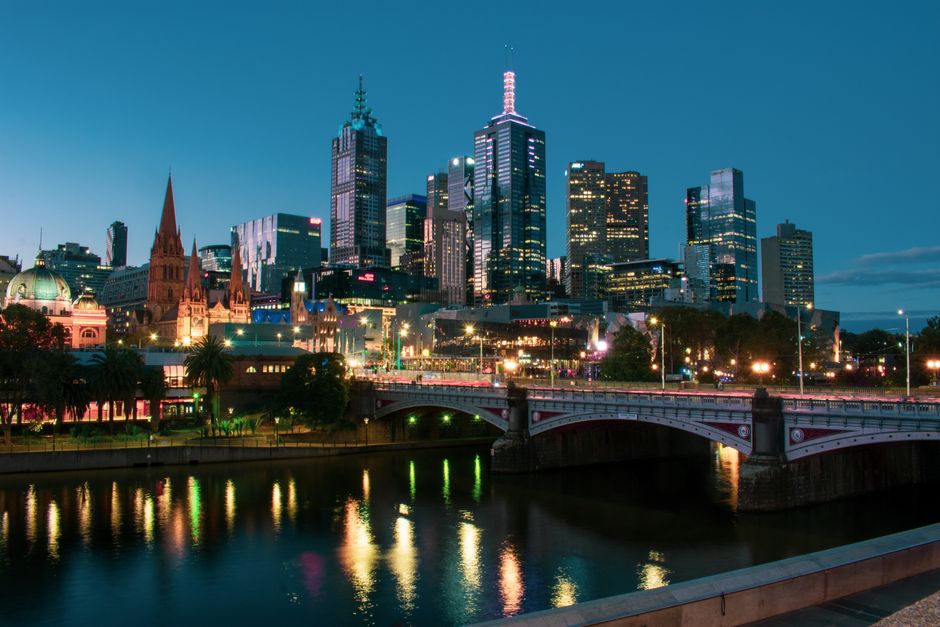
Walk through Fitzroy Gardens on a Saturday morning and you'll witness something increasingly rare in major global cities: families leisurely navigating playground equipment while parents chat on park benches, unbothered by the hustle surrounding them. This scene encapsulates what makes parenting in Melbourne fundamentally different from comparable metropolises like London, Toronto, or Singapore.
Melbourne's unique approach stems from its dense-yet-neighbourly structure. While cities like Sydney sprawl outward, forcing families into car-dependent suburbs, Melbourne's inner-ring suburbs—Abbotsford, Brunswick, Collingwood—pack excellent schools, parks, and cultural institutions within a 10-kilometre radius. Schools like Collingwood Primary and local independent options such as Toorak College sit alongside affordable family rentals and community gardens. This geography creates what sociologists call "patchwork parenting"—families aren't isolated in gated suburbs but embedded in walkable, mixed-income communities.
The city's progressive education landscape also distinguishes it. Melbourne hosts Australia's highest concentration of alternative schooling models, from Montessori centres on Punt Road to Steiner schools in the outer suburbs. Progressive state schools like Elwood Primary integrate arts-based learning into core curricula—something less common in standardised systems of comparable cities. International families often cite this flexibility as a major draw.
Cost-wise, Melbourne remains more accessible than peer cities. While primary school fees at selective institutions can reach $25,000 annually, the robust public system means quality education isn't entirely gatekept by wealth. Compare this to London's £15,000+ private school average or Sydney's increasingly stratified schooling landscape.
The cultural infrastructure for children is also distinctive. The Astor Theatre in St Kilda hosts children's film festivals; the Abbotsford Convent offers family workshops; the NGV has dedicated kids' programs. These aren't afterthoughts but core programming, reflecting genuine investment in multigenerational audiences.
Perhaps most crucially, Melbourne's parenting culture feels less performative than comparable cities. The absence of the extreme pressure-cooker education systems seen in Singapore or Hong Kong, combined with genuine multiculturalism—evident in the diversity of family structures and cultural practices across suburbs like Coburg and Box Hill—creates space for parenting experimentation.
Of course, challenges remain: childcare costs, school congestion, and gentrification pressures are reshaping neighbourhoods. Yet Melbourne's particular alchemy—combining urban sophistication with community access, educational progressivism with affordability, and cultural richness with neighbourhood stability—offers something increasingly rare: a major global city where parenting doesn't require choosing between ambition and livability.
This article was compiled by AI from the sources linked above and screened before publishing. See our editorial standards.
About this article
Published by The Daily Melbourne
Daily brief
Free, in your inbox before 7am. Weekdays.
You might also like
Lifestyle
Lifestyle
Lifestyle

Lifestyle
Free daily briefing