Melbourne's Transport Revolution: How Our City Got Faster, Smarter and More Connected
From real-time tracking to express lanes, locals are discovering that getting around Victoria's capital has never been easier—or more enjoyable.
3 min read
From real-time tracking to express lanes, locals are discovering that getting around Victoria's capital has never been easier—or more enjoyable.
3 min read
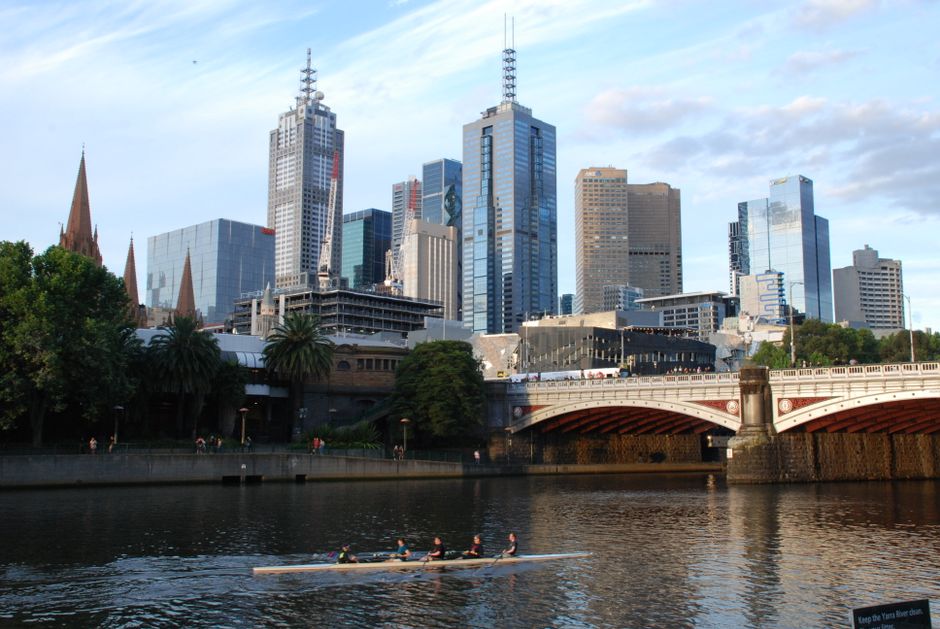
Ask a Melburnian about their commute five years ago and you'll likely hear groans about delays, overcrowding, and the eternal question: tram or train? Today, that conversation has fundamentally shifted. The city's transport network has undergone a quiet but profound transformation that's reshaping how we move through our beloved metropolis.
The introduction of real-time tracking across Melbourne's tram network has been a genuine game-changer for commuters. What once meant standing at a stop guessing when the next Number 1 would arrive—or if it would arrive at all—is now a matter of checking your phone. Combined with the expanded M1 and M2 express tram routes introduced last year, journeys from Fitzroy to St Kilda or South Melbourne to the CBD have become notably faster and more predictable. Locals aren't just tolerating their commutes anymore; many are actively enjoying them.
The suburban rail network upgrades have been equally transformative. Enhanced frequency on the Dandenong and Belgrave lines means off-peak travel from outer suburbs like Ringwood and Croydon has improved by roughly 15 minutes on average. Train spotting—both metaphorically and literally—has become a more reliable reality. Passengers report fewer cancellations and better air conditioning in newer rolling stock, small victories that compound into genuine quality-of-life improvements.
But it's not just traditional public transport winning hearts. Melbourne's cycling infrastructure explosion has created an entirely new way to experience the city. The recently completed Hoddle Street separated bike lanes and the extended network along the Yarra Boulevard have transformed cycling from a niche hobby into a legitimate commuting option for thousands. Coffee-shop culture now extends to BikeSpot hubs in Collingwood and Brunswick, where cyclists meet before pedalling toward the CBD.
The integration of micromobility options—e-scooters and bike-share through services like Neuron and Beam—has filled crucial first-and-last-mile gaps. Someone living in Coburg can now realistically bike to the nearest train station in six minutes rather than waiting for a connecting bus. It sounds minor, but it's reshaping how entire neighborhoods connect to the broader city.
Perhaps most tellingly, recent PTV passenger satisfaction surveys show commuter happiness has climbed to levels not seen in a decade. The journey matters now, not just the destination. Whether you're sipping an oat milk latte while the tram glides past the Botanic Gardens or feeling the morning breeze cycling alongside the Moonee Ponds Creek, Melbourne's transport transformation has given us back something we'd almost forgotten: the pleasure of getting there.
This article was compiled by AI from the sources linked above and screened before publishing. See our editorial standards.
About this article
Published by The Daily Melbourne
Daily brief
Free, in your inbox before 7am. Weekdays.
You might also like
Lifestyle
Lifestyle
Lifestyle

Lifestyle
Free daily briefing