Why Melbourne's Markets Beat the World: A City That Refuses to Standardise Its Shopping
From Queen Vic to Prahran, Melbourne's independent retail culture sets it apart from homogenised global shopping strips.
2 min read
From Queen Vic to Prahran, Melbourne's independent retail culture sets it apart from homogenised global shopping strips.
2 min read
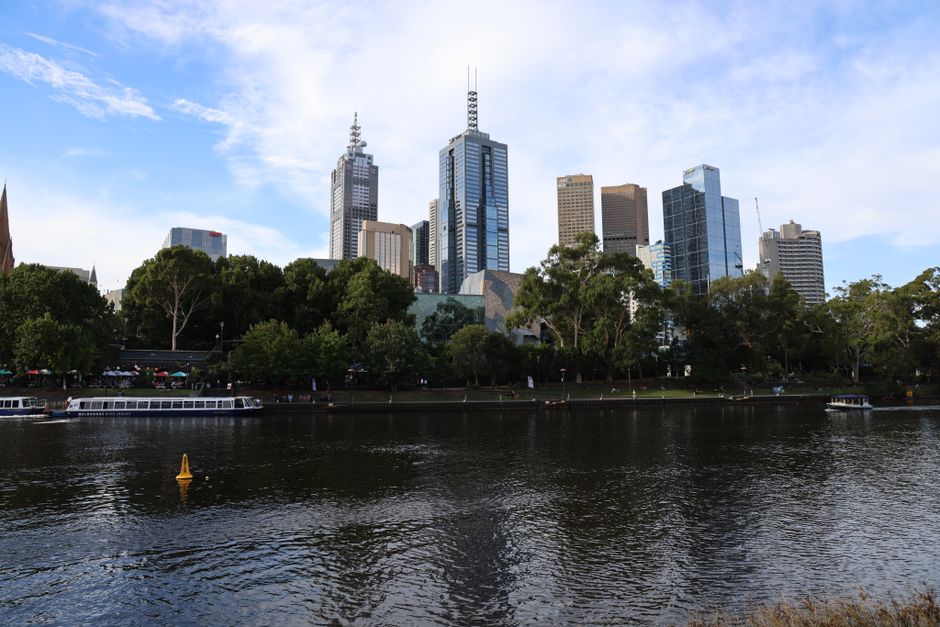
Walk through Queen Victoria Market on a Saturday morning, and you'll witness something increasingly rare in 2026: genuine human-scale commerce. Unlike the sterilised shopping malls dominating cities from Singapore to São Paulo, Melbourne has fiercely protected its market culture—a distinction that separates this city from most global counterparts.
Queen Vic, operating since 1878, draws over 10 million visitors annually across its 600-plus trader stalls. But what truly sets Melbourne apart isn't the volume; it's the refusal to corporatise. While London's Borough Market has become Instagram-tourism central and New York's Chelsea Market now functions as a premium food court, Queen Vic remains stubbornly local. You'll find third-generation greengrocers next to emerging spice merchants, vintage clothing vendors sharing space with flower growers. The average spend per visit hovers around $45—modest enough that browsing remains guilt-free, distinctly un-Instagram.
South Yarra's Prahran Market tells a similar story. Established 1864, it resists the trend toward chain homogenisation that's gutted comparable markets in European cities. Here, independent fishmongers, butchers, and produce sellers operate within an architectural heritage that refuses modernisation theatre. This isn't nostalgia; it's philosophy.
What distinguishes Melbourne's approach is regulatory protection. Unlike many global cities where planning laws favour development over preservation, Melbourne's market trader model remains economically viable. Stall rents stay accessible—typically $80-150 weekly—enabling genuine operators rather than franchised chains. Compare this to Paris's Rue Cler, increasingly colonised by tourist-focused businesses, or Toronto's St. Lawrence Market, where rental pressures have shifted the trader demographic dramatically upmarket.
The Collingwood Children's Farm night markets, Abbotsford Convent's monthly bazaars, and the thriving independent retail strips along Brunswick Street, Fitzroy, represent something vanishing globally: merchant diversity without corporate overlay. These spaces survive because Melbourne's cultural institutions and local government actively resist the shopping centre model that's standardised retail experience from Bangkok to Barcelona.
Visit the aisles of these markets and you're participating in something your counterparts in most major cities have lost: authentic local commerce operating at human scale, with genuine margins thin enough that only passion sustains participation. That's not quaint; that's radical.
In an increasingly homogenised retail landscape, Melbourne's markets remain defiantly, irreplaceably itself.
This article was compiled by AI from the sources linked above and screened before publishing. See our editorial standards.
About this article
Published by The Daily Melbourne
Daily brief
Free, in your inbox before 7am. Weekdays.
You might also like
Lifestyle
Lifestyle
Lifestyle

Lifestyle
Free daily briefing