Why Melbourne's Transport Network Sets It Apart From Global Cities
From its iconic trams to a transport culture that prioritises accessibility, Melbourne has cracked the commute in ways that leave other world cities playing catch-up.
2 min read
From its iconic trams to a transport culture that prioritises accessibility, Melbourne has cracked the commute in ways that leave other world cities playing catch-up.
2 min read
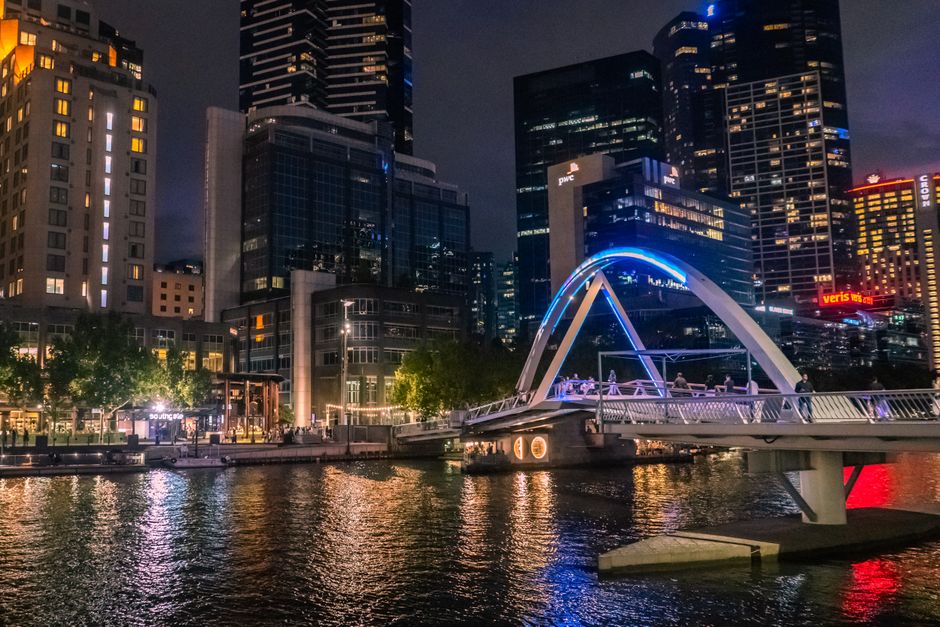
Walk into Flinders Street Station on a Monday morning and you'll witness something increasingly rare in global cities: thousands of people choosing public transport over cars. It's not nostalgia keeping Melbourne's commuters loyal to trams, trains and buses—it's a transport ecosystem that's genuinely hard to beat.
Melbourne's tram network is the world's largest outside Europe, with 250 kilometres of track spanning 24 routes across the metropolitan area. That's not just a point of pride; it's functional infrastructure that competitors like Sydney and Brisbane can only envy. The tram's integration into everyday life—hopping on the 109 to South Melbourne, the 96 to St Kilda, the 48 to Caulfield—means transport decisions aren't fraught with complexity. It works because it's embedded in the city's fabric.
But what really distinguishes Melbourne is its commitment to accessibility across all demographics. The Public Transport Victoria network offers concession fares for students, seniors and low-income earners at roughly half the standard price. A weekly myki card runs around $45 for adults—comparable to global standards, yet the coverage is exceptional. Compare that to London, where transport costs regularly trigger complaints about affordability, or cities like Los Angeles, where car dependency remains unavoidable for many.
The recent completion of the Metro Tunnel has further democratised access, cutting travel times significantly between major hubs and eliminating previously frustrating bottlenecks. It's a public investment statement: Melbourne prioritises moving people, not maximising car revenue.
Then there's the cultural element. Melbourne's laneway culture has thrived partly because walking between Hosier Lane and ACCA, or navigating the CBD's grid on foot, feels intuitive and rewarding. Cities built around car infrastructure—sprawling automotive networks in Dallas or Houston—fragment public life. Melbourne's walkability, supported by its public transport spine, keeps the city socially connected.
Cycling infrastructure has accelerated too, with protected bike lanes now extending across the inner suburbs. The city recorded over 440,000 daily bike trips pre-pandemic, with growth continuing steadily. This multi-modal approach—trams, trains, buses, bikes, feet—is what Copenhagen pioneered; Melbourne has adapted it with distinctly local character.
Global cities are learning that transport isn't just infrastructure; it's a social contract. Melbourne's approach suggests that when you invest genuinely in non-car movement, you don't just reduce congestion—you build a city where getting around serves community, not convenience alone.
This article was compiled by AI from the sources linked above and screened before publishing. See our editorial standards.
About this article
Published by The Daily Melbourne
Daily brief
Free, in your inbox before 7am. Weekdays.
You might also like
Lifestyle
Lifestyle
Lifestyle

Lifestyle
Free daily briefing