Why Melbourne Stands Apart: What Makes This City Genuinely Different From Every Other Global Metropolis
From laneway culture to four seasons in one day, here's what expat newcomers discover that no other major city quite offers.
2 min read
From laneway culture to four seasons in one day, here's what expat newcomers discover that no other major city quite offers.
2 min read
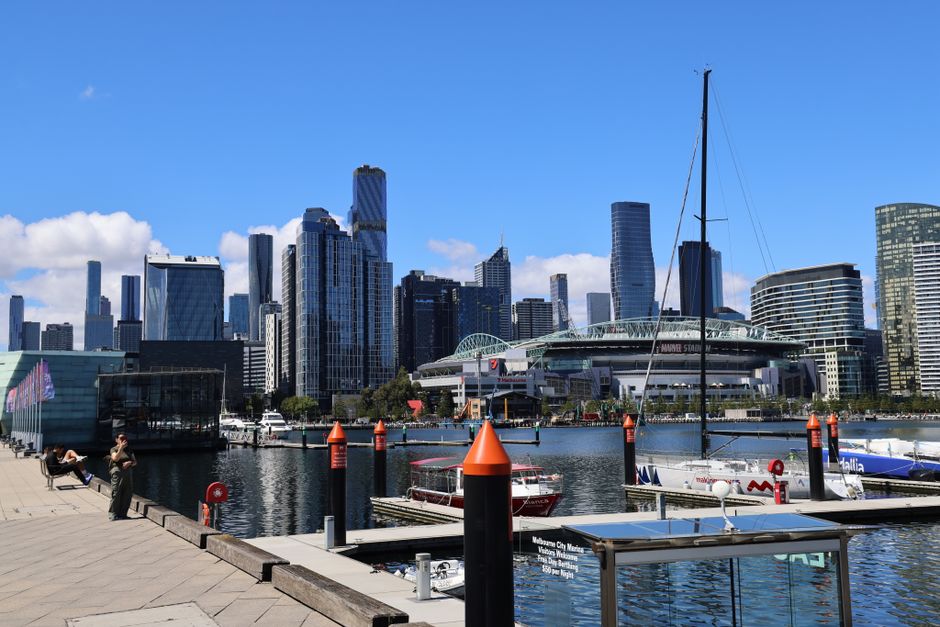
Moving to a new city is daunting. Moving to Melbourne? That's where you discover something most expat guides won't tell you: this city operates by rules entirely its own.
Yes, you'll hear about the coffee. Melbourne's café culture isn't marketing fluff—it's infrastructure. The laneway network beneath the CBD, threading through Hosier Lane, Degraves Street and the hidden spaces behind Flinders Street, creates a democratised third space that cities like London, New York and Singapore have spent decades trying to engineer. Here, it simply exists. A flat white costs around $5.50, and baristas remember your name within weeks.
But the real distinction runs deeper. Melbourne's neighbourhoods don't follow the predictable gentrification playbook of other global cities. Brunswick, Northcote and Footscray have retained authentic character precisely because they're geographically dispersed across the metropolitan area—not clustered into a singular "creative quarter" as they are in Berlin or Brooklyn. This means genuine affordability persists across multiple suburbs. Rent in inner-north neighbourhoods averages $480–$550 per week for a one-bedroom apartment, significantly lower than comparable locations in Sydney or Perth.
The cultural difference is tangible. Melbourne's population of 5.3 million includes the world's largest Greek diaspora outside Greece and substantial Italian, Chinese and Vietnamese communities. Rather than clustering into separate enclaves, these communities have woven into the city's fabric organically. Swan Street in Richmond isn't "Vietnamese town"—it's simply where everyone goes for exceptional food at reasonable prices.
The weather itself operates differently. "Four seasons in one day" isn't poetic exaggeration; it's a genuine meteorological quirk caused by the city's proximity to Bass Strait. This creates a unique adaptive culture—Melburnians dress in layers and maintain genuine seasonal flexibility, unlike cities locked into consistent climates.
Then there's the sport. Australian Rules Football isn't just entertainment; it's civic identity. The Melbourne Cricket Ground holds 100,024 people. On game days, the city's entire rhythm shifts. This creates a shared social experience absent in cities where sports are merely commodities.
For newcomers, organisations like Expat Hub Melbourne and CoWorks spaces throughout Fitzroy and Preston facilitate community-building without the false networking of corporate relocation programs. The city expects you to find your own way—and provides just enough infrastructure to make that possible.
Melbourne isn't easier than other global cities. It's differently structured. That distinction matters profoundly when you're building a new life.
This article was compiled by AI from the sources linked above and screened before publishing. See our editorial standards.
About this article
Published by The Daily Melbourne
Daily brief
Free, in your inbox before 7am. Weekdays.
You might also like
Lifestyle
Lifestyle
Lifestyle

Lifestyle
Free daily briefing