Your Practical Guide to Unlocking Melbourne's Best Neighbourhood Treasures
From hidden laneways to community hubs, here's how to genuinely connect with your corner of the city.
3 min read
From hidden laneways to community hubs, here's how to genuinely connect with your corner of the city.
3 min read
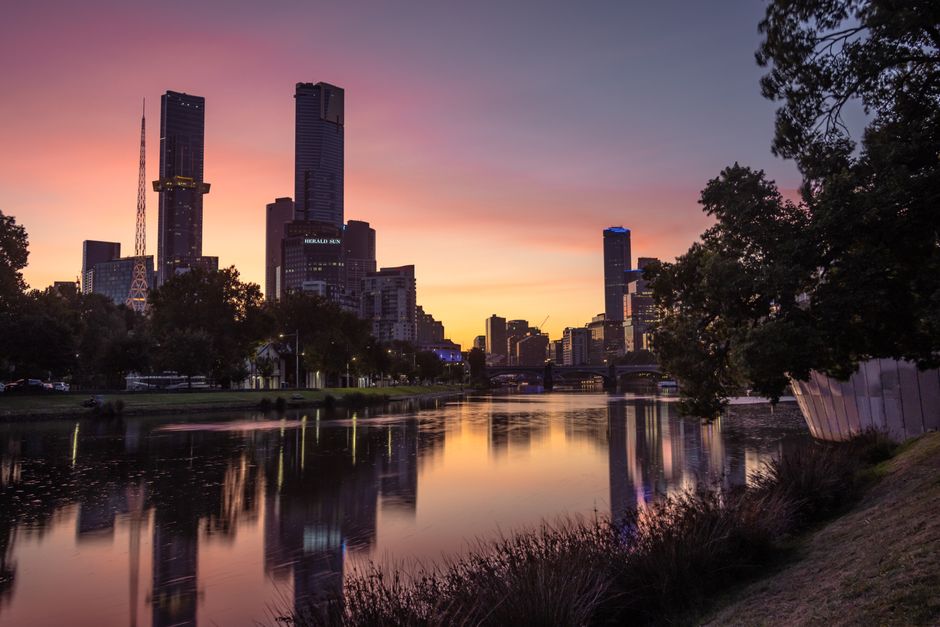
Melbourne's neighbourhoods aren't just postcodes—they're living, breathing communities with distinct personalities. Whether you've recently settled into an inner suburb or you're ready to venture beyond your usual haunts, a strategic approach transforms casual wandering into genuine discovery.
Start by mapping your immediate surroundings on foot. Brunswick, Fitzroy, and South Yarra each contain laneways that reveal independent cafes, galleries, and vintage shops most drive-by residents miss. The Council of Melbourne runs a free "Discover Local" app highlighting community events, markets, and neighbourhood landmarks in real-time. Check it before your weekend explorations.
Food markets anchor neighbourhood culture. Queen Victoria Market operates year-round with produce stalls, specialty foods, and weekend crowds that reveal what locals actually eat. Preston Market on Murray Road caters to its multicultural population with spice vendors, fresh noodle makers, and affordable quality goods. These aren't tourist attractions—they're where residents source weekly supplies and bump into neighbours.
Community centres deserve your attention. The Brunswick Community Centre, Fitzroy Town Hall, and South Melbourne Community Centre host everything from pilates classes ($15-25 per session) to language groups and parent networks. Many offer free drop-in activities and are effective shortcuts to meeting people with shared interests. The cost of entry is negligible; the social return is substantial.
Consider visiting your local council ward office. Melbourne's 14 councillors maintain community presence, and ward offices post free local events calendars, planning information, and community notice boards. It's old-school but effective—you'll find everything from neighbourhood clean-ups to local history talks.
Library networks extend beyond books. Moreland Library, Brunswick, and Fitzroy Libraries host community programs, free WiFi, and often serve as informal information hubs where librarians know local services intimately. Many offer free digital literacy classes and community discussion groups.
Don't underestimate council-run sports and recreation facilities. Basketball courts, tennis facilities, and swimming pools in suburbs like Coburg and Northcote cost under $20 per session and are frequented by locals who genuinely live in the area, unlike commercial gyms.
Finally, engage with neighbourhood Facebook groups and Nextdoor communities. While online, they're extraordinarily practical—locals share recommendations, lost-and-found posts, and unfiltered neighbourhood intelligence. They'll tell you which streets to avoid during school pickup, where to find the best plumber, and what's genuinely worth visiting versus Instagram fiction.
Melbourne rewards residents who approach neighbourhoods methodically. You're not hunting experiences—you're building genuine local connection.
This article was compiled by AI from the sources linked above and screened before publishing. See our editorial standards.
About this article
Published by The Daily Melbourne
Daily brief
Free, in your inbox before 7am. Weekdays.
You might also like
Lifestyle
Lifestyle
Lifestyle

Lifestyle
Free daily briefing