Why Melbourne's Bar Scene Outpaces Global Cities in Creativity and Access
From hidden laneways to 24-hour venues, Melbourne's nightlife culture prioritises innovation and inclusivity in ways that rival cities simply cannot match.
3 min read
From hidden laneways to 24-hour venues, Melbourne's nightlife culture prioritises innovation and inclusivity in ways that rival cities simply cannot match.
3 min read
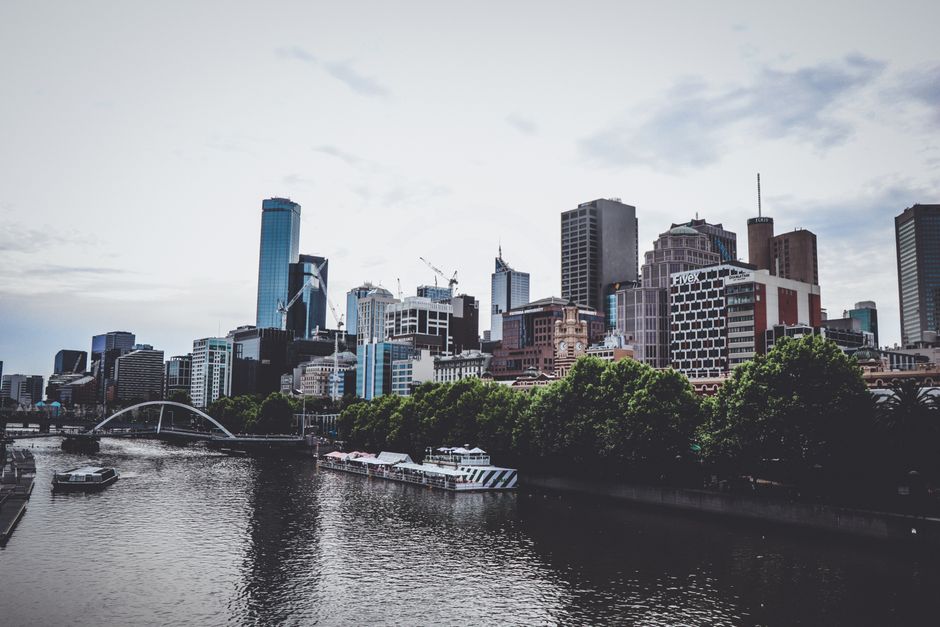
Walk down Hosier Lane on a Friday night and you'll understand what sets Melbourne apart. While New York's Manhattan has Broadway glitz and London's Soho trades on heritage, Melbourne's bar scene thrives on something more democratic: accessibility paired with relentless creativity.
The statistics tell part of the story. Melbourne hosts approximately 2,200 licensed venues—more per capita than Sydney, and a density that rivals Barcelona. But numbers alone don't explain why bartenders from Tokyo to Toronto actively study our bar culture. What does is the city's unusual commitment to experimentation.
Laneways that would be industrial eyesores elsewhere have become Melbourne's greatest asset. Beneath the CBD's grid of Collins Street and Swanston Street lies a constellation of underground bars—places like Black Pearl in Fitzroy and Above Board in Fitzroy—where a single bartender might craft 40 cocktails nightly using techniques most global competitors reserve for flagship venues. The entry cost is typically $16–22 per drink, competitive with London and considerably cheaper than Tokyo's premium bars.
What truly distinguishes Melbourne, however, is cultural inclusivity. Unlike cities where nightlife segregates by class or postcode, our bar culture genuinely mixes demographics. A student from RMIT might find themselves next to a CBD lawyer at Bar Americano, discussing coffee culture at 11pm. This cross-pollination fuels innovation that feels organic rather than manufactured.
The diversity extends geographically. While London's West End and New York's East Village concentrate nightlife in specific zones, Melbourne distributes it deliberately. Brunswick Street in Fitzroy, Chapel Street in South Yarra, and King Street in Melbourne's CBD each develop distinct identities rather than compete for the same clientele. This prevents the monoculture that plagues many global cities, where venues increasingly resemble one another.
Consider also the music scene's integration with bars. Melbourne venues routinely host live performances, DJ sets, and artist showcases as standard offerings—not premium add-ons. Berlin's reputation for techno culture is well-deserved, but it's concentrated in specific clubs. Here, you might catch experimental electronic music at a laneway bar on Chapel Street alongside a craft cocktail program that rivals Sydney's best.
The regulatory environment matters too. While cities like Sydney have fought against late-night trading restrictions, Melbourne has negotiated a relatively permissive framework that permits 24-hour venues in designated areas, enabling our bar culture to operate with fewer constraints than global counterparts face.
For visitors and locals alike, Melbourne's nightlife offers something increasingly rare: genuine discovery. In an era when globalisation tends toward homogenisation, Melbourne's bar scene remains stubbornly, brilliantly local while absorbing international influences thoughtfully. That balance is what no other city has quite perfected.
This article was compiled by AI from the sources linked above and screened before publishing. See our editorial standards.
About this article
Published by The Daily Melbourne
Daily brief
Free, in your inbox before 7am. Weekdays.
You might also like
Lifestyle
Lifestyle
Lifestyle

Lifestyle
Free daily briefing