From Car Culture to Connectivity: How Melbourne's Commute is Being Reimagined
As bike lanes expand and micro-mobility options flourish, inner-city suburbs are shedding their car-dependent past.
3 min read
As bike lanes expand and micro-mobility options flourish, inner-city suburbs are shedding their car-dependent past.
3 min read
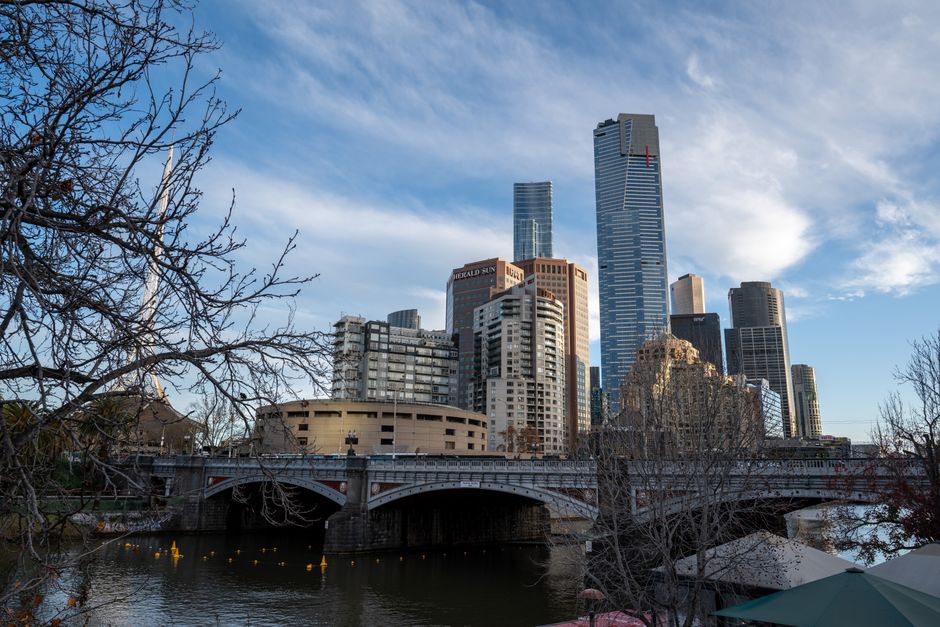
Walk along Brunswick Street in Fitzroy on a June morning and you'll witness a quiet revolution in motion. Where gridlocked traffic once dominated, cargo bikes laden with groceries now glide past Victorian terraces. The shift isn't accidental—it reflects a fundamental reimagining of how Melburnians move through their city.
The numbers tell the story. According to recent transport planning data, cycling commutes across inner Melbourne have grown by nearly 40 per cent over the past three years, with inner suburbs like Collingwood, Carlton North, and Abbotsford leading the way. Meanwhile, car dependency—once a defining feature of Australian transport culture—is gradually loosening its grip on these neighbourhoods.
The infrastructure changes are visible everywhere. The expansion of Melbourne's bike lane network, particularly the new protected lanes along Nicholson Street and the upgraded route through Edinburgh Gardens in North Fitzroy, has made cycling feel less like a niche pursuit and more like a legitimate transport option. The City of Melbourne's recent investment in end-of-trip facilities—secure bike parking, lockers, and shower facilities—signals institutional commitment to this shift.
But the evolution extends beyond bicycles. Footscray and Yarraville, traditionally car-oriented suburbs in Melbourne's inner west, are experiencing a renaissance of pedestrian-friendly infrastructure. Wider footpaths on Nicholson Street, improved crossings near Toorak Road, and regular street activation events are making local strips more navigable and appealing for walkers.
Micro-mobility services have also accelerated the change. E-scooter uptake remains steady despite regulatory challenges, while ride-sharing services have become so normalised that younger residents in Southbank and St Kilda Road frequently opt out of car ownership entirely. Surveys suggest nearly one in four Melbourne residents under 35 no longer considers car ownership essential.
Public transport integration is crucial to this story. The intersection of the tram network, train lines, and bus services means that suburbs like South Yarra and Toorak are becoming genuinely polycentric—where commuting doesn't necessarily mean heading to the CBD. Local employment hubs around Richmond's Bridge Road precinct and the growing creative industries in Collingwood mean more people are living and working within their neighbourhoods.
The transformation isn't complete, and resistance persists. Parking remains contentious, and outer suburbs still depend heavily on personal vehicles. Yet the trajectory is clear: Melbourne's inner city is gradually transitioning from a car-centric model toward a more diverse, integrated transport ecosystem where walking, cycling, and public transport are becoming the default rather than the exception.
This article was compiled by AI from the sources linked above and screened before publishing. See our editorial standards.
About this article
Published by The Daily Melbourne
Daily brief
Free, in your inbox before 7am. Weekdays.
You might also like
Lifestyle
Lifestyle
Lifestyle

Lifestyle
Free daily briefing