Moving to Melbourne? Here's What Locals Actually Want You to Know
Forget the tourism board spiel—we asked people who've relocated to Melbourne what really matters when you're settling in.
2 min read
Forget the tourism board spiel—we asked people who've relocated to Melbourne what really matters when you're settling in.
2 min read
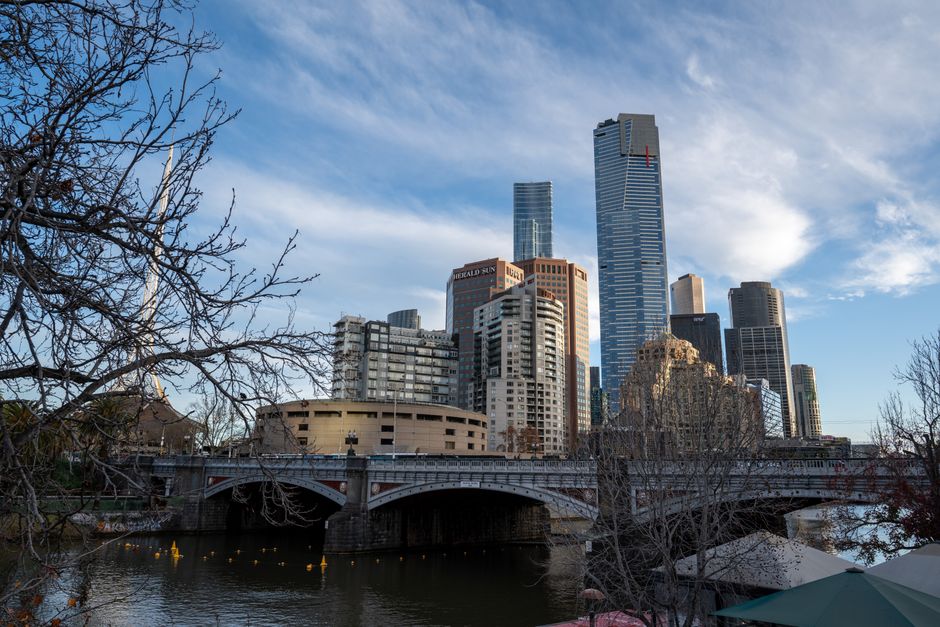
Melbourne's reputation as Australia's cultural capital draws thousands of international arrivals each year, but the reality of relocation often differs sharply from the postcard version. We spoke with recent arrivals and long-term expats across the city to uncover what genuinely helps newcomers thrive.
Housing remains the elephant in every room. The median rent for a one-bedroom apartment in inner suburbs like Fitzroy or Carlton sits around $2,100 monthly, while outer areas like Coburg or Reservoir offer relief at roughly $1,600–$1,800. Locals consistently advise starting your hunt on Domain and Realestate.com.au at least six weeks before your move; competition is fierce, and landlords often prefer established references. Many newcomers overlook proximity to the train network—living within walking distance of stations on the Upfield or Hurstbridge lines can save hours weekly.
Transport culture shocks newcomers. The tram network—particularly the free zones covering Bourke Street and Spencer Street—becomes indispensable, but the system's complexity requires patience. Download the myki app immediately; the plastic card system feels antiquated compared to international standards. A weekly pass costs roughly $35, but many locals recommend exploring bike-sharing (Melbourne has excellent cycling infrastructure) or walking—the city's grid layout rewards pedestrians.
Socially, Melbourne's reputation for friendliness comes with a caveat: locals tend to form tight circles. Community hubs matter enormously. Venues like The Astor on Chapel Street, laneway cafés around Hosier Lane, and neighbourhood spots like Rose Street Market become anchors for social connection. The Australian hospitality industry runs on eye contact and casual banter; embrace it. Sporting culture—particularly AFL—dominates conversation from March through September; understanding the basics of Aussie Rules smooths countless social interactions.
Practical friction points: Australian grocery prices shock most newcomers (a basic coffee costs $5–$6), but farmers' markets in Prahran and South Melbourne offer alternatives. Healthcare requires private insurance initially; the Medicare system takes weeks to navigate. Most importantly, locals emphasise the mental health transition: Melbourne's climate swings between four distinct seasons, and the isolation—psychological, not physical—catches many expats off guard.
The Multicultural Resource Centre in Footscray and settlement services through organisations like Multicultural Hub provide structured support. But the unvarnished truth locals share? Success depends on initiative. Melbourne rewards those who venture beyond their immediate suburb, try local venues, and commit to conversations with strangers at tram stops.
This article was compiled by AI from the sources linked above and screened before publishing. See our editorial standards.
About this article
Published by The Daily Melbourne
Daily brief
Free, in your inbox before 7am. Weekdays.
You might also like
Lifestyle
Lifestyle
Lifestyle

Lifestyle
Free daily briefing