The everyday heroes: Meet the faces making Melbourne's commute matter
From Frankston to Footscray, the stories of commuters who've transformed how our city moves.
2 min read
From Frankston to Footscray, the stories of commuters who've transformed how our city moves.
2 min read
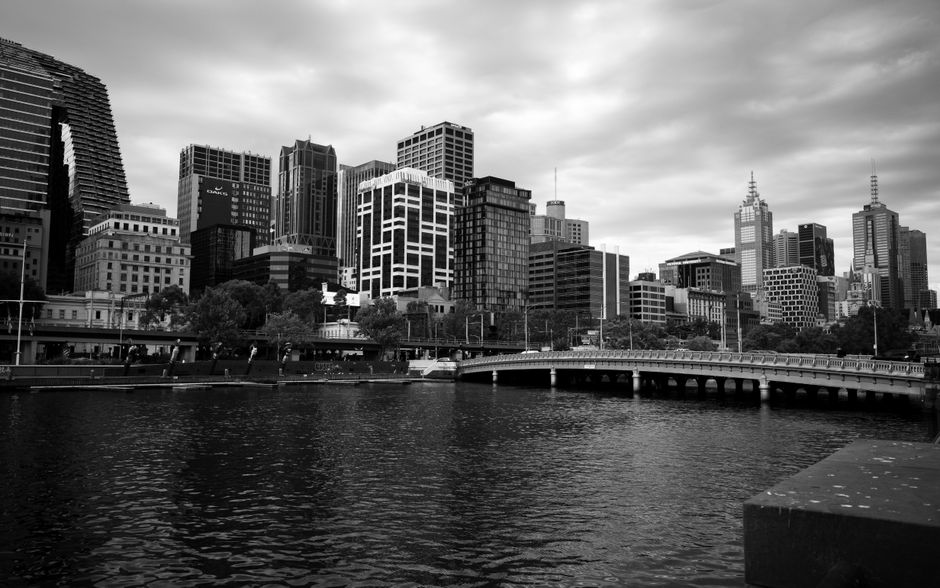
Melbourne's transport network moves 1.6 million journeys every weekday, but beneath the MetroCard taps and tram bell rings lies a city of hidden stories.
Walk through Flinders Street Station during morning peak and you'll spot the regulars—the student busker who's been performing on Platform 9 for three years, the cleaning crew that keeps the Dandenong line spotless, the volunteer community responder who helps confused travellers navigate the digital ticketing system. These aren't just commuters; they're the social fabric holding our sprawling city together.
Take the 109 tram down St Kilda Road, and you'll notice the elderly passengers greeting each other by name, a micro-community forged through shared journeys. The same tram driver has worked this route for eleven years, remembering regulars' preferred seats and offering a sympathetic nod when someone boards with visible stress. It's small, but it matters.
The transport challenge facing Melbourne is real. Average commute times hover around 45 minutes for many outer suburbs, with Frankston residents spending nearly an hour getting to the CBD. Yet within these constraints, extraordinary human connections flourish. The mother who runs a mobile literacy program from the Werribee line, teaching immigrant women English during off-peak hours. The retired mechanic who helps broken-down cyclists on the Bay Trail. The accessibility advocates who've transformed how Public Transport Victoria designs stations.
Suburban train stations have become unexpected community anchors. At Coburg, a collective of local artists has transformed the station precinct into an unofficial gallery. At Moorabbin, commuters have created an informal support network for unhoused people waiting in the station during winter.
What's striking is how Melburnians have refused to let transport be merely transactional. The city's 16 tram lines and 18 train lines aren't just infrastructure—they're democratising threads connecting Docklands to Dandenong, connecting stories.
As council considers $2.7 billion in transport upgrades over coming years, the real investment might be remembering that every commute carries human weight. The young woman studying for exams on the Sandringham line. The tradies carpooling from Craigieburn. The grandparent commuting across town for childcare duties.
Melbourne's transport network works because of them—the everyday faces who've made moving through this city less about getting from A to B, and more about belonging somewhere real.
This article was compiled by AI from the sources linked above and screened before publishing. See our editorial standards.
About this article
Published by The Daily Melbourne
Daily brief
Free, in your inbox before 7am. Weekdays.
You might also like
Lifestyle
Lifestyle
Lifestyle

Lifestyle
Free daily briefing