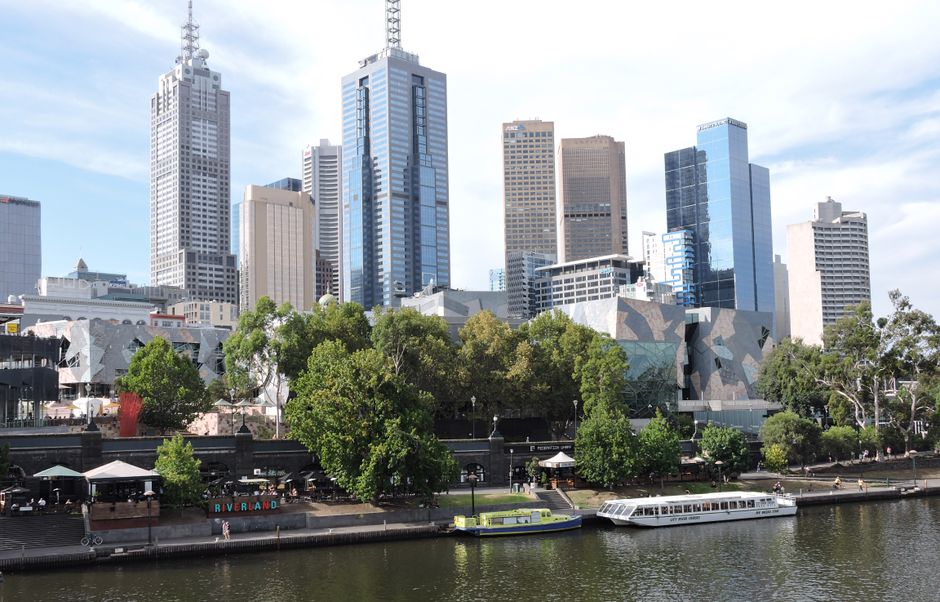
On any given morning along the Yarra, you'll witness the quiet choreography of Melbourne's outdoor life. Joggers wind past heritage elms, dog walkers converge near the Ornamental Lake, and clusters of people gather for everything from sunrise yoga to tai chi. But behind this thriving green culture are the individuals who've made these spaces integral to how we live.
At the Alexandra Gardens tai chi sessions, which have run consistently for over two decades, regulars gather before dawn—a diverse cohort of retirees, shift workers, and young professionals who've discovered that the Tan isn't just a jogging track but a community meeting place. Similarly, the volunteer-run community gardens dotting suburbs like Collingwood and Fitzroy have transformed unused council land into productive patches where neighbours who'd never met now plan crops together.
The data tells a compelling story: post-pandemic, Melbourne's park visitation has increased by approximately 35 per cent, according to Parks Victoria. Green space usage isn't just a weekend leisure activity anymore—it's become woven into daily rhythms. Local councils report waiting lists for community garden plots stretching months ahead in inner suburbs.
What's driving this shift? Talk to people actually using these spaces, and you'll hear remarkably consistent themes. Parents say neighbourhood parks like Fawkner Park in South Yarra and Princess Park in Carlton have become their village squares—places where their children develop friendships and they build genuine community. Older residents describe regular walking routes as their social calendar, the consistency of morning meetings providing structure and purpose.
The economics matter too. As inner-city rental prices continue climbing—average two-bedroom apartments in Fitzroy now exceed $2,200 monthly—parks offer affordable quality of life. Free tai chi, free open-air fitness classes at various locations, and community gardens that produce affordable vegetables have become genuine lifestyle necessities rather than luxuries.
Perhaps most tellingly, volunteer-led initiatives have flourished. Groups maintaining wildflower corridors, citizen scientists conducting biodiversity surveys, and residents who've essentially adopted local parks as their responsibility now number in the thousands across greater Melbourne.
These aren't extraordinary people doing extraordinary things. They're the early risers, the curious gardeners, the parents and pensioners who've simply decided that the spaces around them matter. Their faces—varied, purposeful, often smiling despite whatever else occupies their lives—are ultimately what makes Melbourne's green spaces special. The parks are just the stage; these residents are the real story.
This article was compiled by AI from the sources linked above and screened before publishing. See our editorial standards.