Finding Your Tribe: An Inside Look at Melbourne's Neighbourhood Character and Community Vibe
New arrivals to Melbourne discover that choosing where to settle is less about postcodes and more about finding the right community fit.
2 min read
New arrivals to Melbourne discover that choosing where to settle is less about postcodes and more about finding the right community fit.
2 min read
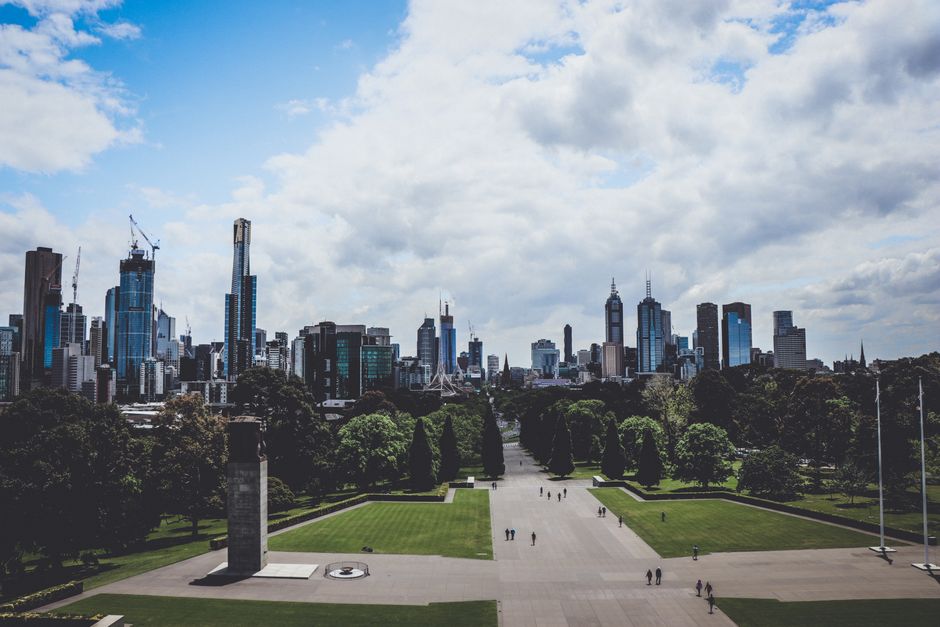
Melbourne's appeal to expats and interstate relocators hinges on a paradox: the city feels simultaneously cosmopolitan and deeply neighbourhood-focused. Unlike sprawling cities where suburbs blur into anonymity, Melbourne's inner and middle-ring areas pulse with distinct identities that shape how residents actually live.
Take Fitzroy, where Brunswick Street's laneway coffee culture and independent bookshops create an intellectual, arts-forward community. Rents average $2,100 monthly for a one-bedroom apartment, but newcomers pay for proximity to galleries, vintage markets, and a reputation that draws creative professionals. The neighbourhood's character emerges not from Instagram moments but from Tuesday-night trivia at The Trade Hall, weekend farmers' markets at Collingwood Children's Farm, and the sheer density of small makers and restaurateurs who've chosen to build here.
South Yarra presents a different proposition entirely. Toorak Road pulses with high-end retail and dining, with median rent sitting closer to $2,400, yet the real community centres on Chapel Street's independent theatre scene and the Prahran Market's 140-year tradition of connecting locals across demographics. Young professionals, families, and empty-nesters coexist because the neighbourhood offers genuine mixed-use living rather than siloed demographics.
For those seeking established community infrastructure, Abbotsford's riverside location and proximity to Collingwood Football Club creates a more suburban feel within inner Melbourne. The Abbotsford Convent precinct—a vibrant arts and community hub—anchors neighbourhood identity beyond proximity to the city. Monthly rents typically run $1,950 for comparable space, offsetting the lower walkability some relocators initially perceive.
Beyond inner areas, Footscray represents Melbourne's multicultural backbone. Vietnamese, Italian, and Ghanaian communities have built Hopkins Street into a genuine gathering place where language, food, and commerce create authentic exchange. New residents—whether international or Australian—integrate differently here; it's less about adopting neighbourhood aesthetics and more about participating in established cultural rhythms.
The crucial insight for newcomers: Melbourne's neighbourhood character emerges from community participation, not passive residence. Joining a local sporting club, volunteering at community gardens managed by Council, or becoming a regular at independent venues determines whether a neighbourhood feels like home or merely a place to sleep.
Most successful expat relocations involve 3-4 months of neighbourhood exploration before signing leases. Walking streets at different times, visiting local council websites for community calendars, and speaking with existing residents reveals which pocket aligns with individual lifestyle priorities—whether that's cultural diversity, creative density, or family-oriented infrastructure.
This article was compiled by AI from the sources linked above and screened before publishing. See our editorial standards.
About this article
Published by The Daily Melbourne
Daily brief
Free, in your inbox before 7am. Weekdays.
You might also like
Lifestyle
Lifestyle
Lifestyle

Lifestyle
Free daily briefing